The Cinematic Notebook
The craft behind our portraiture and film development.
How This Notebook Connects to Film Photography and Film Development
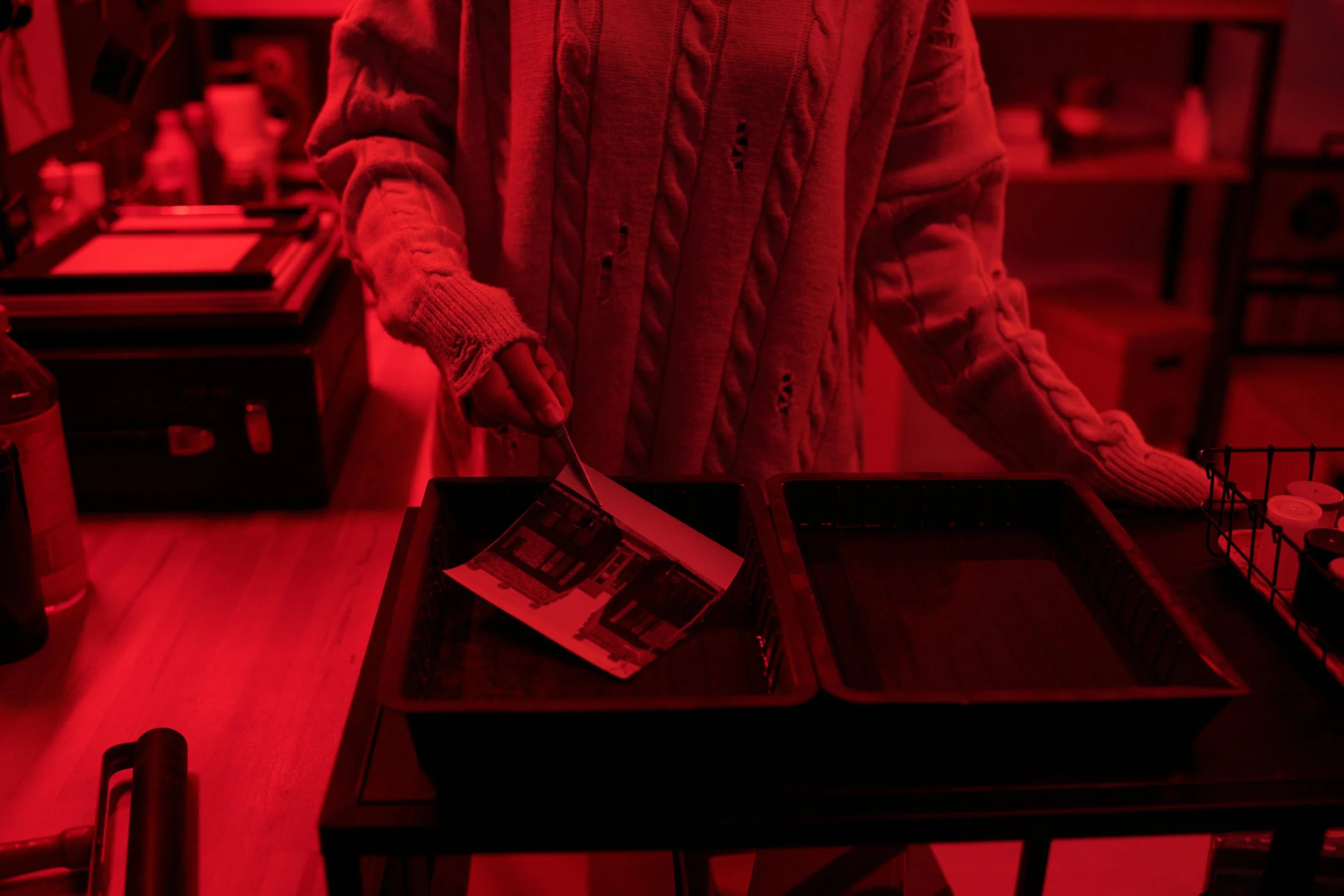
Every article in this archive reflects the full analogue workflow used by Liquid Light Whisperer and Liquid Light Lab — from motivated lighting and optical rendering through to controlled development and high-dynamic-range scanning. The same discipline documented here is applied to commissioned portrait work and to every roll processed in the lab.

Hellraiser Actor, Simon Bamford — A Portrait Session on Real Film
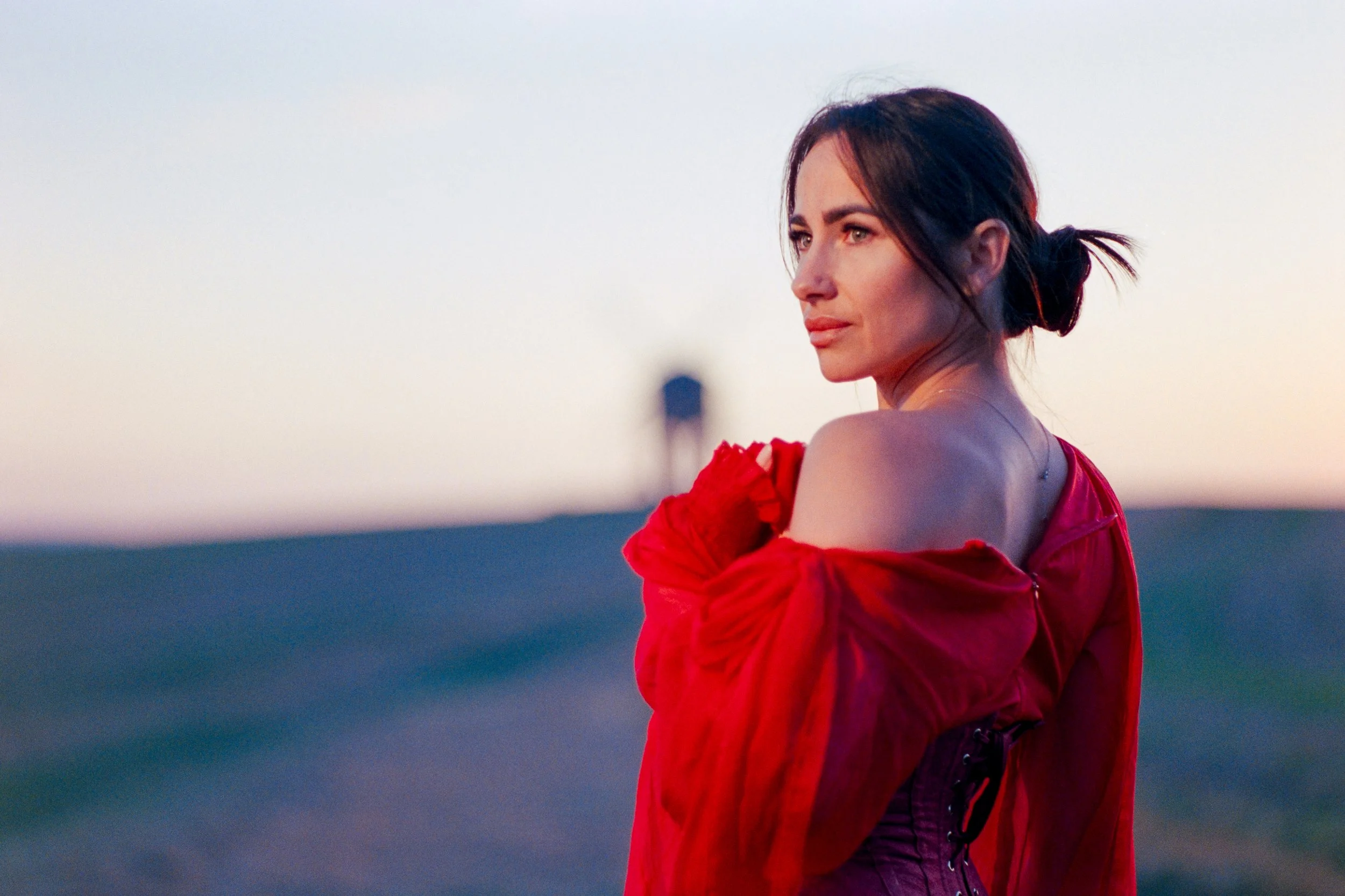
Across theatre, film, and television, Simon Bamford has built a career grounded in precision and physical awareness. Audiences know him first through the enduring imagery of Hellraiser and Nightbreed — roles that made him a figure within the language of British cult cinema — yet his roots are theatrical. Trained for the stage, his work is defined by an understanding of stillness: the ability to hold attention through exact posture and measured timing. That quality is rare; it cannot be taught quickly, and it photographs differently from performance designed for the screen.
Leica M5 — The Last True Leica
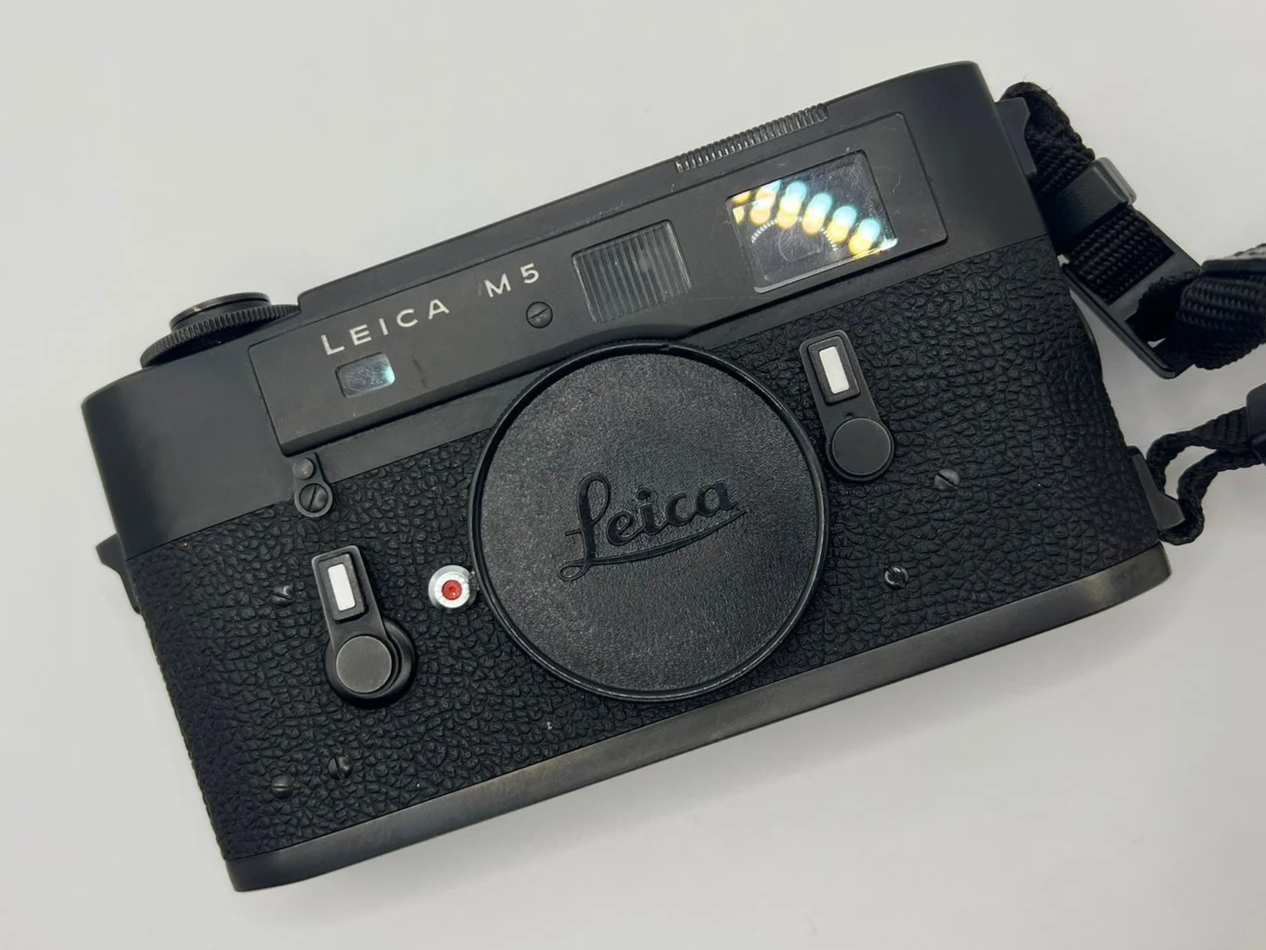
Built between 1971 and 1975 in Wetzlar, the Leica M5 was the last M-series camera assembled entirely by hand under Leica’s traditional adjust-and-fit standard. Each body was finished, calibrated, and tested in the same small-team workshop system that had produced the M3, M2 and M4 — a method soon replaced by team-line assembly in Midland. When this process ended, so did the era of the “true” mechanical Leica.

Why Real Film Photography Is the Only True Heirloom in the Age of AI
There was a time when photography meant one simple thing: light recorded on a physical surface. Every image was a direct imprint of the world — photons hitting emulsion, a moment translated into chemistry. Today, photography exists in a different landscape. We live in an era of filters, machine learning, and algorithms that can fabricate faces, landscapes, and entire realities that never existed. In a feed full of digital illusion, a true photograph — one that exists as a tangible artifact — has become something more than nostalgic. It has become proof.

When the Light Misbehaves – The Beauty of Imperfection in Film Photography
In the world of film, perfection doesn’t exist — and that’s the point. Every roll carries a trace of risk. A flicker of light might slip past a seal. A frame might shift by a fraction. Grain might swell unexpectedly in the shadows. These are not errors to correct. They’re the heartbeat of something real.
At Liquid Light Whisperer, those marks of imperfection aren’t flaws. They’re fingerprints — small proofs that every image was made by hand, in light, with care, and without the safety net of an undo option.

Newborn on Real Film: A Three-Week Story in Light
It’s a beautiful thing when someone trusts me to photograph their newborn. These aren’t just pictures — they’re the first memories of a life just beginning. One day, this little girl will show these portraits to her own children and grandchildren. They’ll see the faces of their ancestors, the hands that first held their mother and grandmother, and the beginning of their family story.
Leica M3 Double Stroke Review — Precision, Permanence, Perfection.
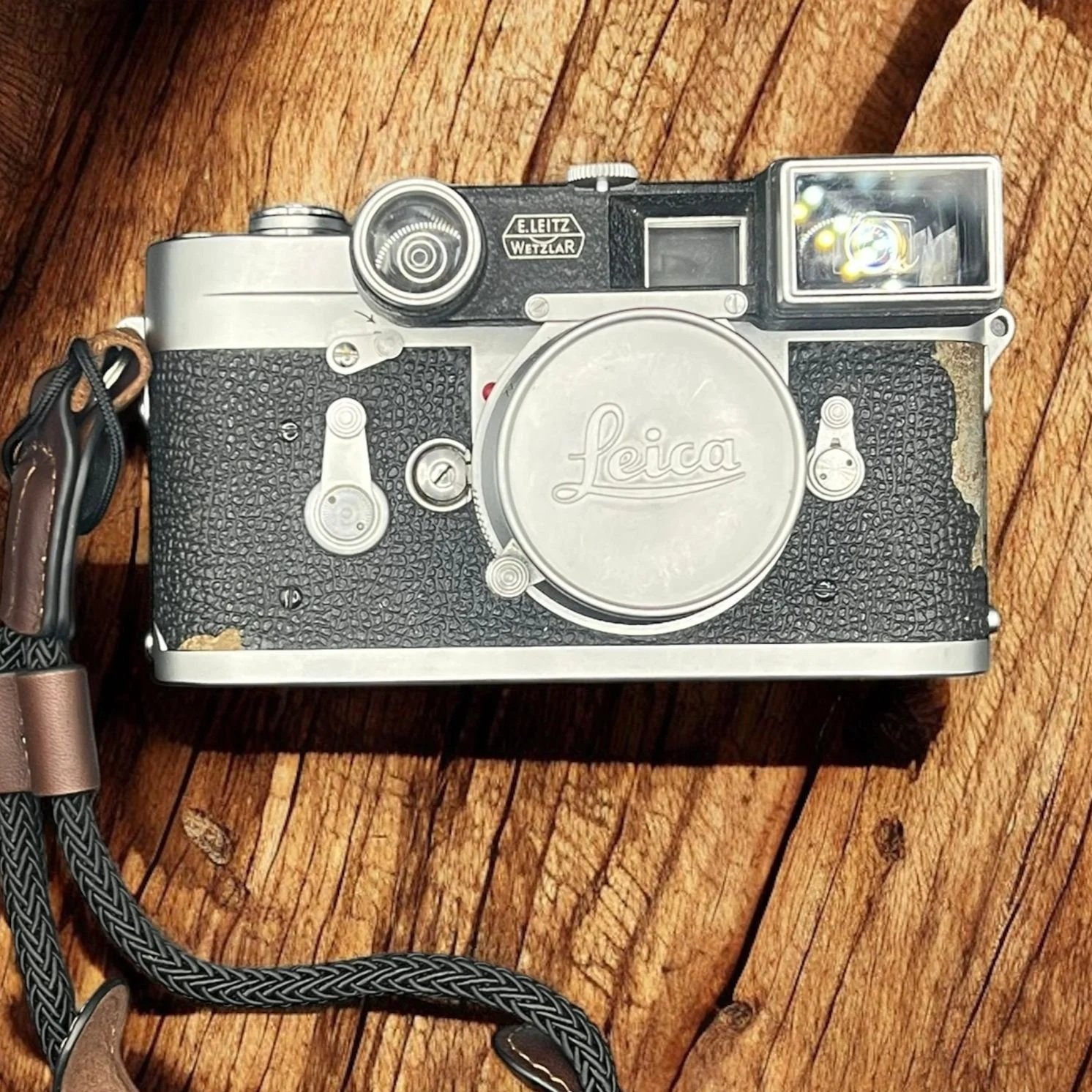
The Leica M3 is the camera that changed how 35 mm rangefinders worked. It was the first Leica with a bayonet mount, the first with a single combined view and rangefinder, and the first that felt as if every control was designed around the photographer’s hand rather than the factory’s production line. Mine is a double-stroke version, serviced, used weekly, and it remains the most exact mechanical device I own. There are smoother cameras, lighter ones, quieter ones, but none that give the same sense of mechanical certainty.

The Secret Behind Film’s Tonal Depth: How Pyro Developers Shaped Black and White Photography
In the early to mid-twentieth century, Pyro found its most famous advocates. Ansel Adams, Edward Weston, and other Zone System pioneers relied on Pyro for its long tonal curve and ability to handle extreme contrast scenes. Adams’ negatives from Yosemite, printed decades later, still exhibit the smooth highlight roll-off typical of Pyrogallol development. Pyro allowed these photographers to “place” tones with mathematical precision — the foundation of the Zone System itself.

Why Liquid Light Lab Uses Zone Imaging 510 Pyro
There are few developers that define the tonal language of black and white film the way Pyro does. It’s one of the most advanced formulations ever created — prized for smooth highlights, long tonal transitions, and a calm, sculptural rendering of light.

Zeiss Sonnar 50mm f/1.5 (1939) — The Lens That Drew Light Before Colour
The 50mm f/1.5 Zeiss Sonnar from 1939 is one of the great optical designs of the last century. It belongs to an age before coating, before marketing language replaced observation. It was built to interpret light, not to control it. Mine is one of the last pre-war uncoated examples, mounted on a Contax IIa body from the early 1950s — the bridge between the pre-war world and the modern one.
Liquid Light Lab: Film Development and Scanning Across the UK
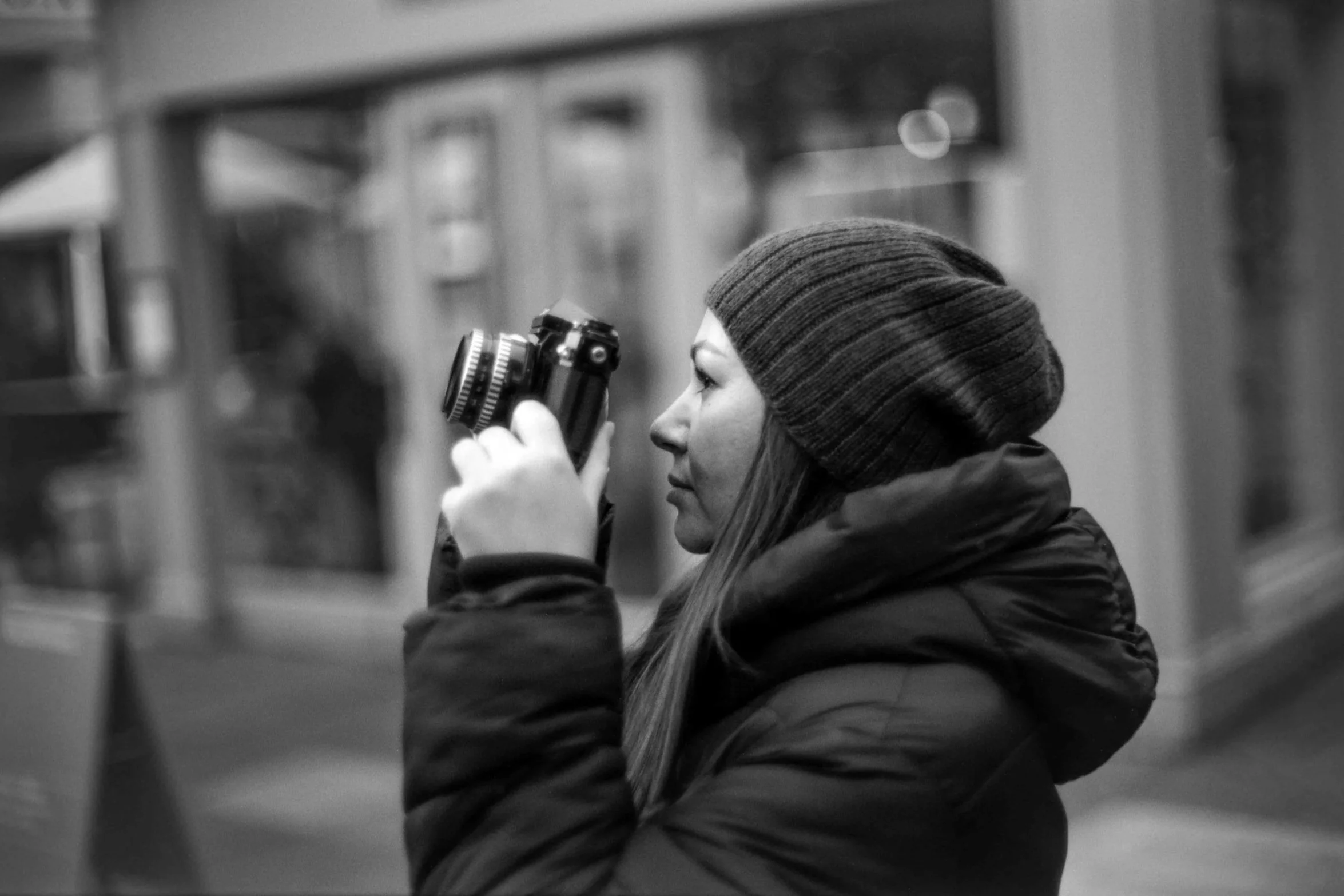
Liquid Light Lab processes 35mm C-41 colour negative film, ECN-2 cinema negative, and black and white film for photographers who care what happens after exposure. These are not separate services loosely grouped together, but connected stages within one photographic workflow. What happens in development affects what remains available in the scan, and what remains in the scan affects how convincingly the photograph carries through to the final file.
That applies whether the roll contains portrait sessions, wedding coverage, event work, editorial material, personal projects, or family frames that cannot be repeated. A negative only reaches its full value when the work that follows exposure receives the same seriousness as the exposure itself.
Why Choose Liquid Light Whisperer for Portrait Photography in Leamington Spa and Warwickshire
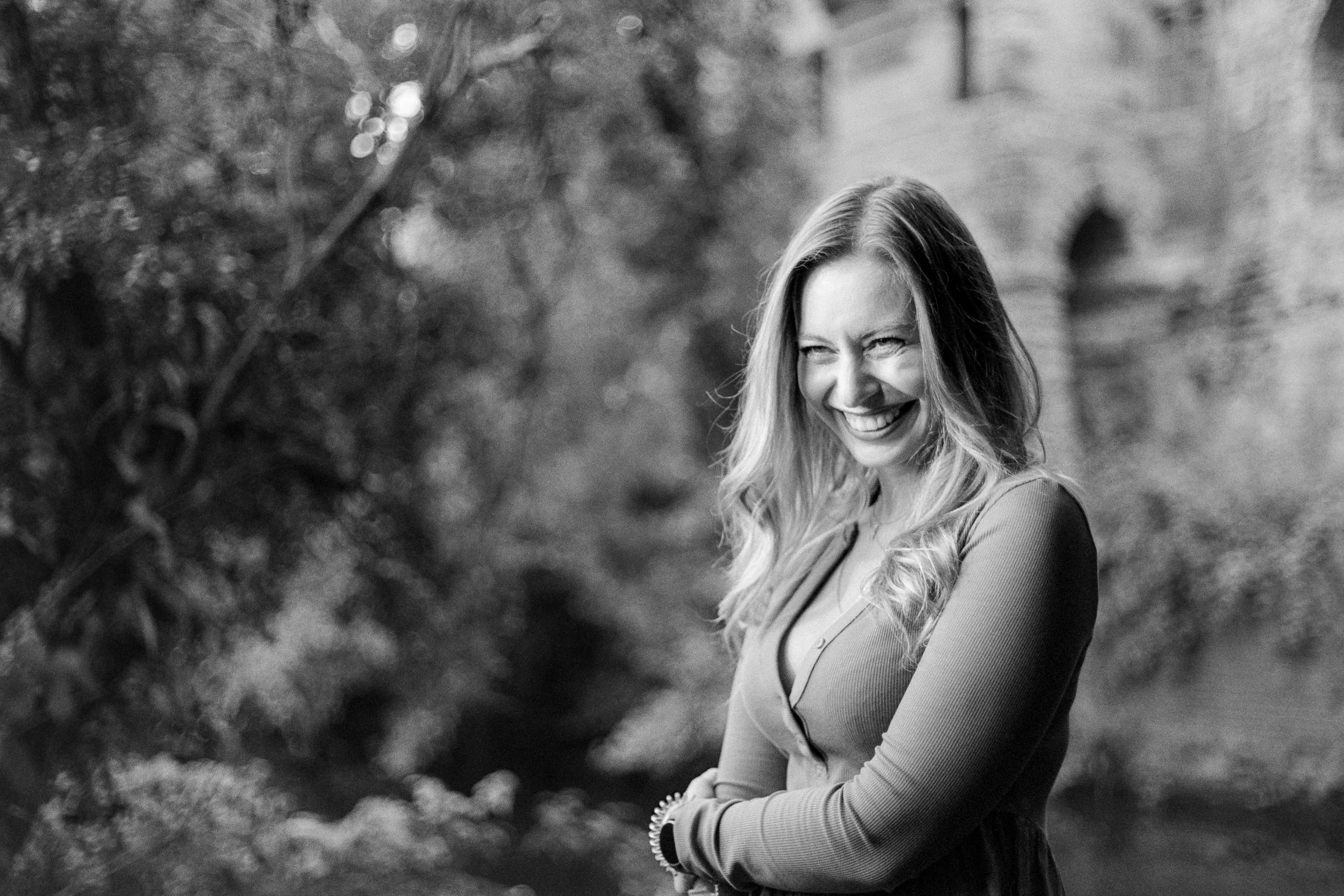
Most people think of portraits as studio headshots under flat lights. Safe, predictable, and forgettable. But a portrait doesn’t have to be like that. At Liquid Light Whisperer, every portrait session is cinematic. On location, I create not just an image, but a scene — a memory made real, captured on film.
Film Portrait Photography in Warwickshire
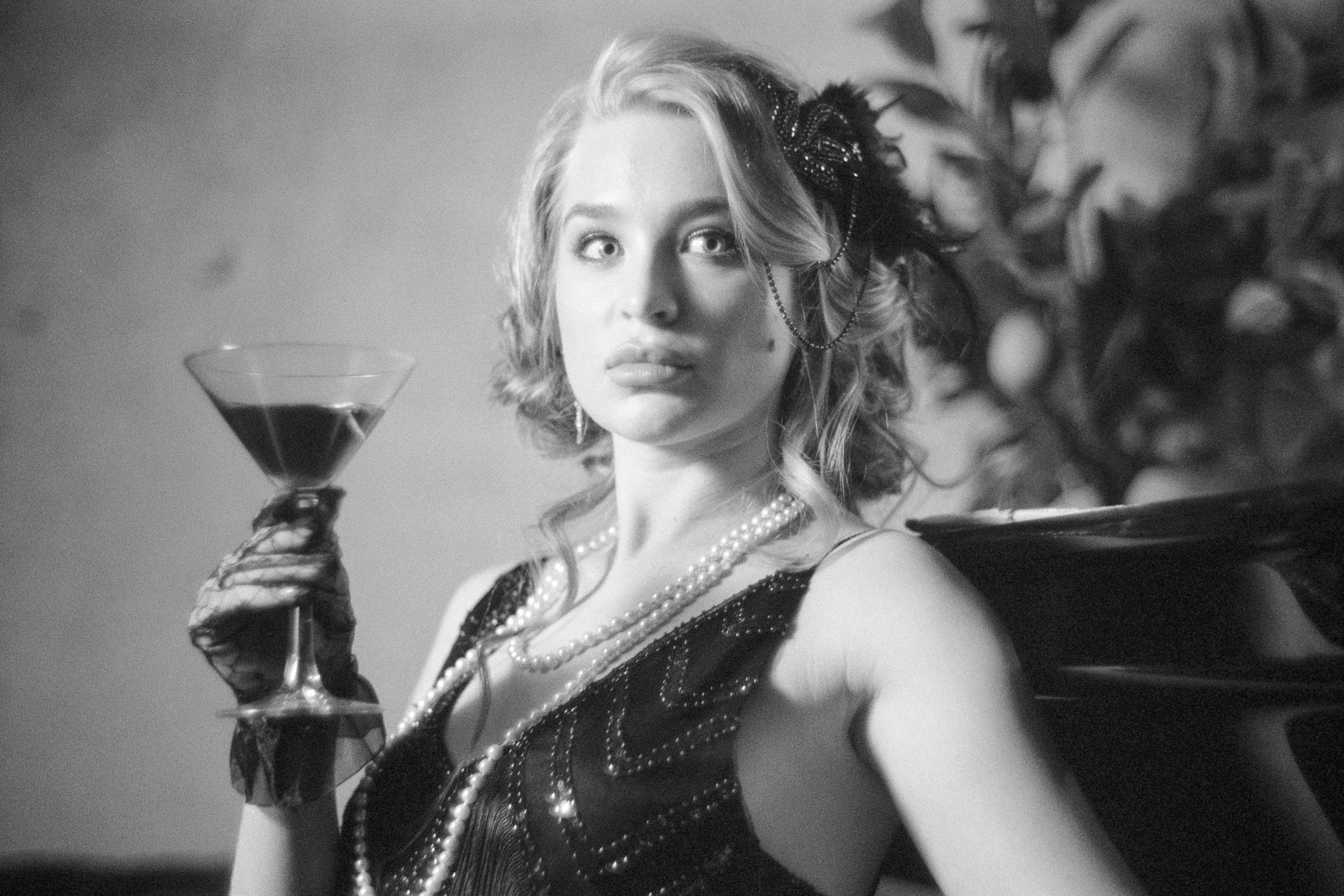
In today’s world, it’s easy to confuse digital editing with photography. Scroll through social media and you’ll see endless images smoothed, graded, and altered until the original moment is barely recognisable. That isn’t photography — it’s post-production. It’s editing.

Carl Zeiss Jena Pancolar 50mm f/1.8 Zebra Review — A Cinematic Classic with Radioactive Glow
There are vintage lenses you respect for their engineering, and then there are lenses you fall in love with because of how they render the world. The Carl Zeiss Jena Pancolar 50mm f/1.8 Zebra, in its radioactive 8-blade form from the late 1960s, is very much the latter. This is a lens that reminds you why character still matters — whether you’re shooting on film or adapting to digital.

Black and White Photography as Living Memory
For years, I thought colour was the best way to preserve memories. It felt modern, vivid, and real — the perfect match for the moments I wanted to hold on to. But colour doesn’t last the way we imagine.
Prints fade, slides shift, and digital colour grades fall out of fashion. What looked stylish a few years ago now feels dated. Even today’s digital RAW edits tied to popular “film look” presets eventually reveal themselves as fads.
Black and white is different.
Why Resolution Matters: Getting the Most From Your Film Scans
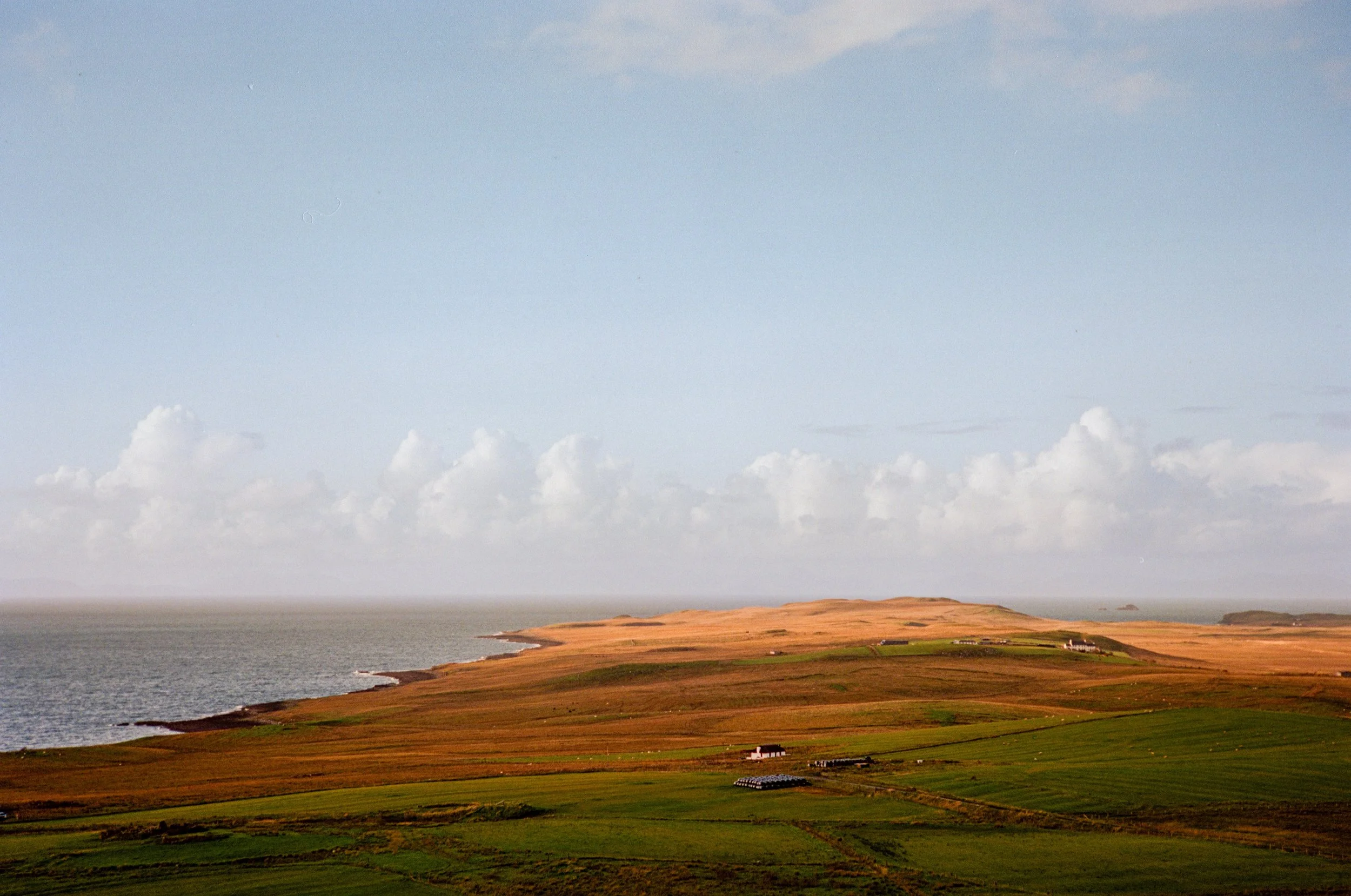
Why film scan resolution and tonal depth matter, how Liquid Light Chamber differs from Noritsu and Frontier minilab scanners, and why Liquid Light Lab returns stronger 35mm scans for local and UK postal customers.
Working with Models on Film – Setting Expectations
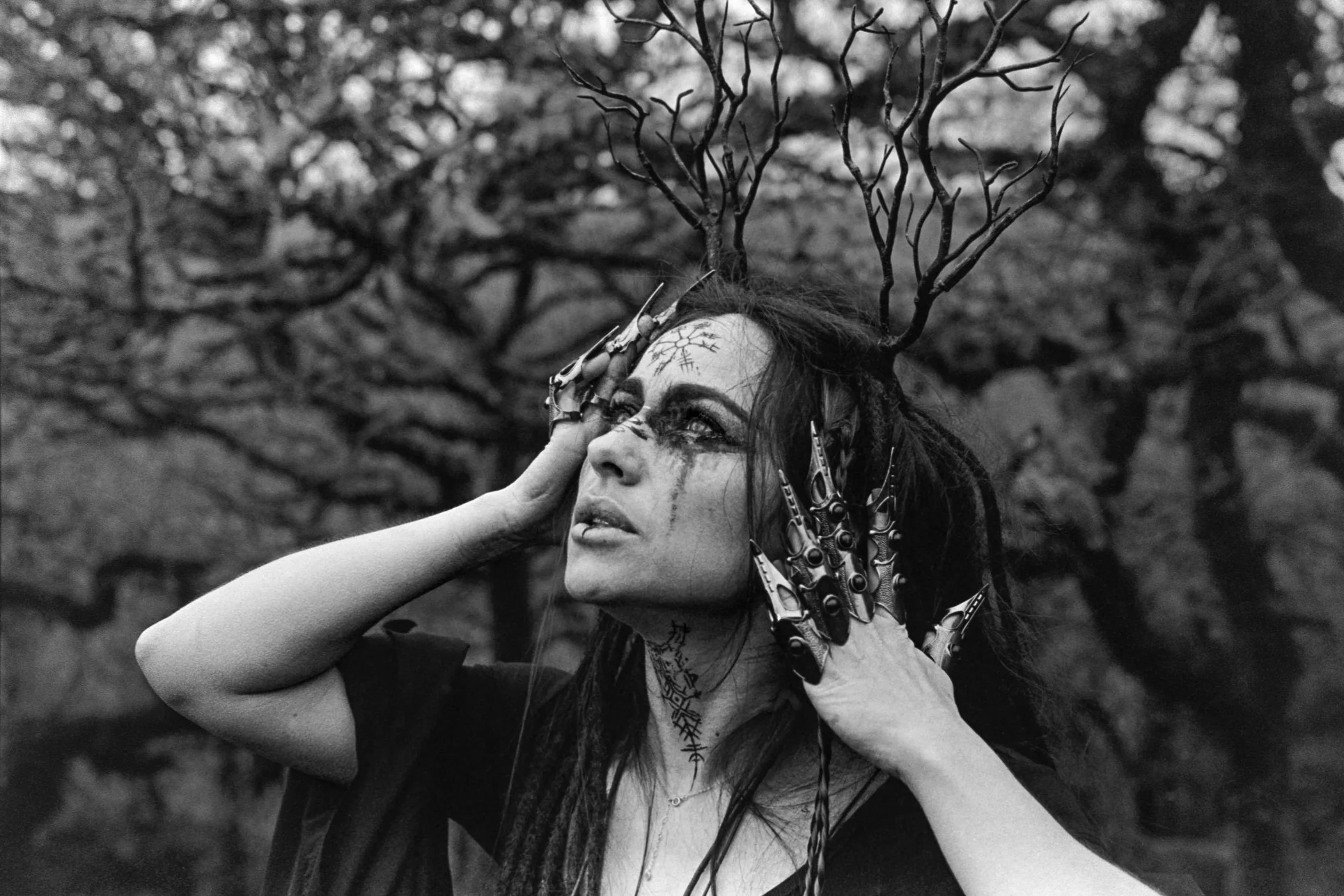
Shooting with film doesn’t just change how a photographer works — it changes how a model experiences the shoot. For someone used to digital cameras firing hundreds of frames a minute, the film process feels different: slower, more deliberate, sometimes even unnerving at first.
That’s why setting expectations is crucial. When a model understands what film brings — the rhythm, the limitations, the rituals — it transforms the session from uncertainty into collaboration. At Liquid Light Whisperer, this conversation happens before the first roll is loaded, because trust is as important as light.

Why Film Photography Feels Alive in the Digital Era
Digital photography gave us precision, speed, and infinite repetition. It perfected the technical image — but in doing so, it stripped away something that analog never lost: a sense of life.
Film photography endures because it feels different. It slows us down, resists instant gratification, and produces images with texture and presence. In a world of disposable content, film stands out as something alive.
Liquid Light Lab: A UK Film Processing and Scanning Service from Leamington Spa
Liquid Light Lab is a UK film developing and scanning service based in Leamington Spa. The lab handles C-41, ECN-2, and black and white film through a controlled in-house workflow built around careful processing, strong scan quality, and consistent technical standards. That includes everything from disposable cameras and family rolls, to personal projects and regular film use.
Customers across the UK can post film in for development, or for development plus including images, with JPEG and TIFF files included in one download bundle.

Lenses that Render Light Uniquely – Vintage Glass Magic
Where modern optics are designed to correct, suppress, and polish, older lenses allow light to express itself in ways that feel alive. The edges aren’t always sharp. The coatings flare in unpredictable halos. The bokeh swirls or doubles or melts away entirely. What many engineers considered flaws, photographers now treat as signatures — fingerprints left by history on light itself.

The Lomography Daylight Developing Tank — My Final Impressions.
It’s not every day that a company like Lomography asks you to test a prototype. When their team invited me to run the new Daylight Developing Tank through its paces, I was genuinely pleased. Lomography has long been at the heart of keeping film culture alive worldwide, and being part of their R&D process — before the public even got a glimpse — was a privilege.
The result was a set of articles about my experience published across their international network in four languages.