The Cinematic Notebook
The craft behind our portraiture and film development.
How This Notebook Connects to Film Photography and Film Development
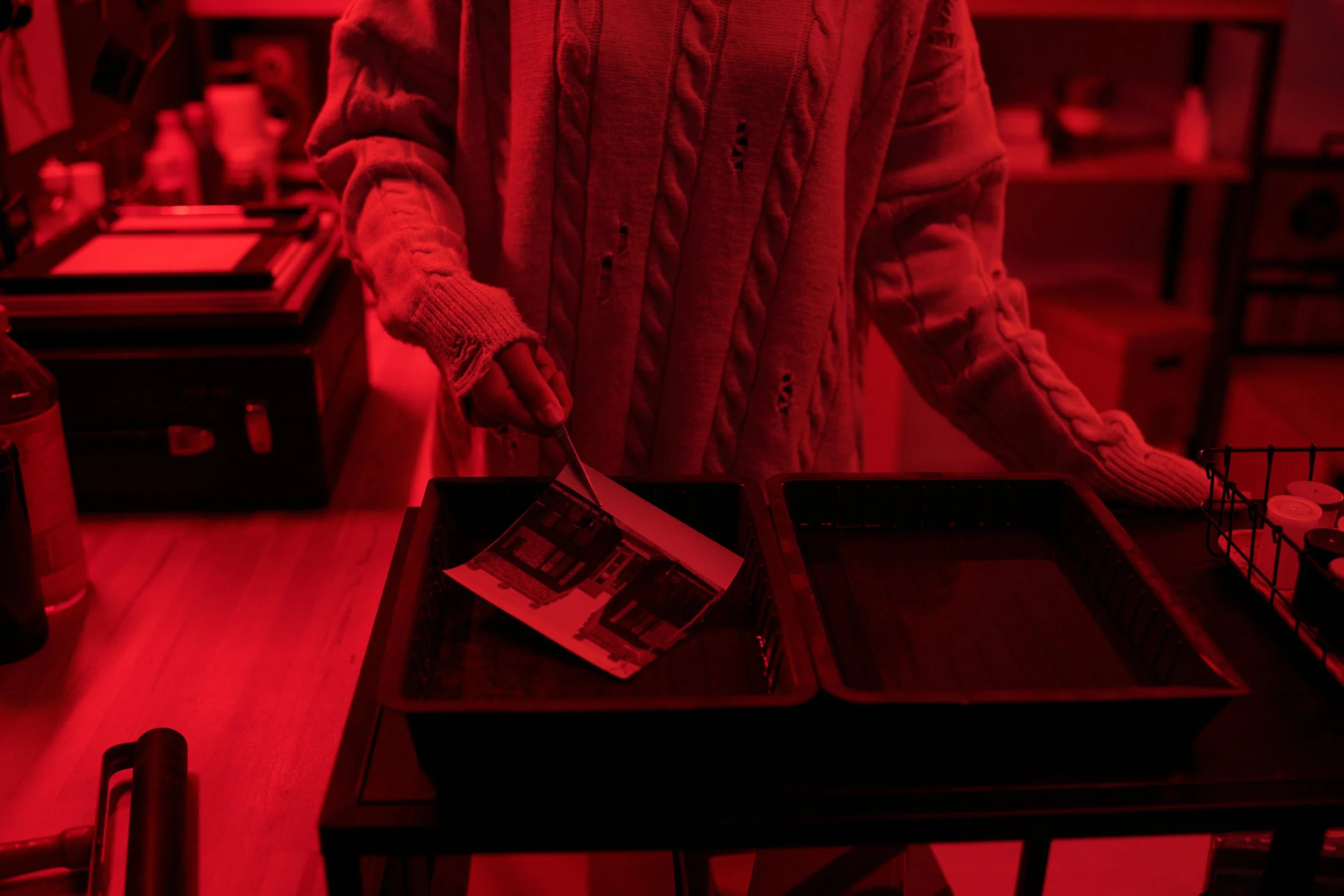
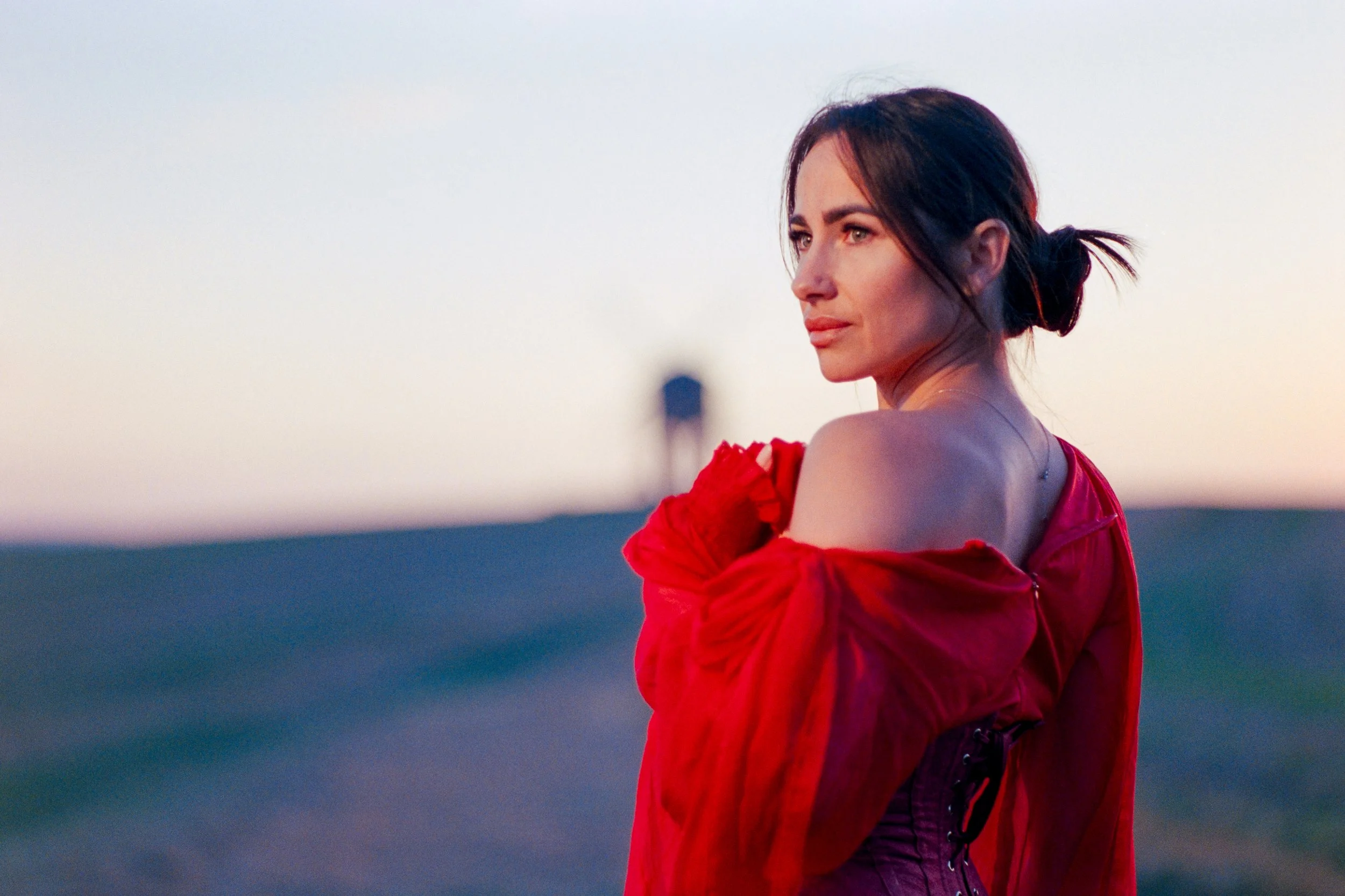
Every article in this archive reflects the full analogue workflow used by Liquid Light Whisperer and Liquid Light Lab — from motivated lighting and optical rendering through to controlled development and high-dynamic-range scanning. The same discipline documented here is applied to commissioned portrait work and to every roll processed in the lab.
Craig Sheffer on Lighting, Presence and Trust in a Portrait Session
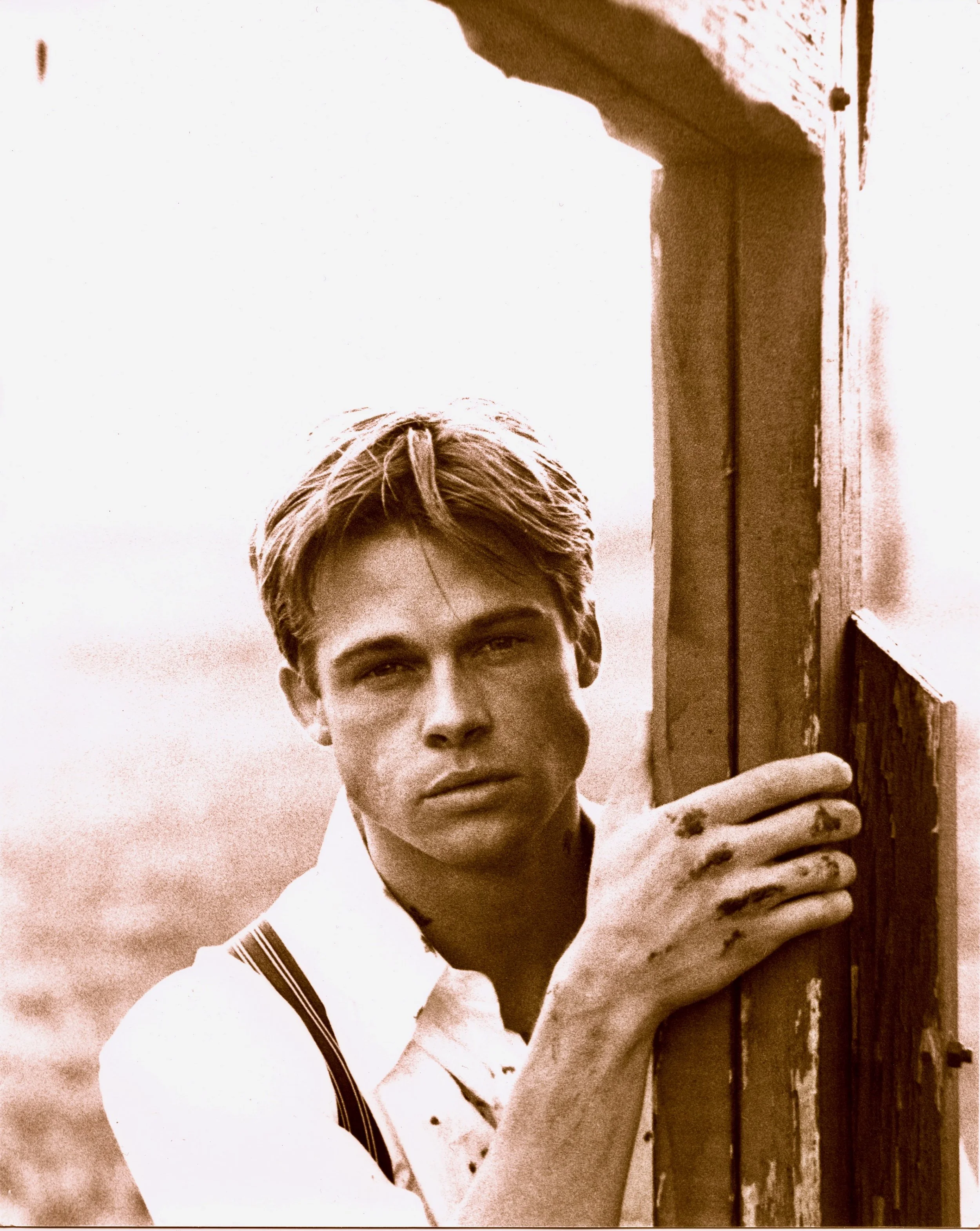
Craig Sheffer starred in the Academy Award winning film A River Runs Through It. We’ve worked with film photography for years, both on the road and in more structured environments. Our conversations tend to drift toward craft, and how our different approaches shape our photography. He has spent decades on sets where lighting is built with intention and repeated with precision. He also makes photographs himself, and this combination gives him perspectives pure photographers can learn from. He understands how structured light affects performance, posture and presence, and how contrast changes the way a face lives within the frame.
Revisiting the AGO Film Processor — Long-Term Use, Travel Work, and Field Reliability
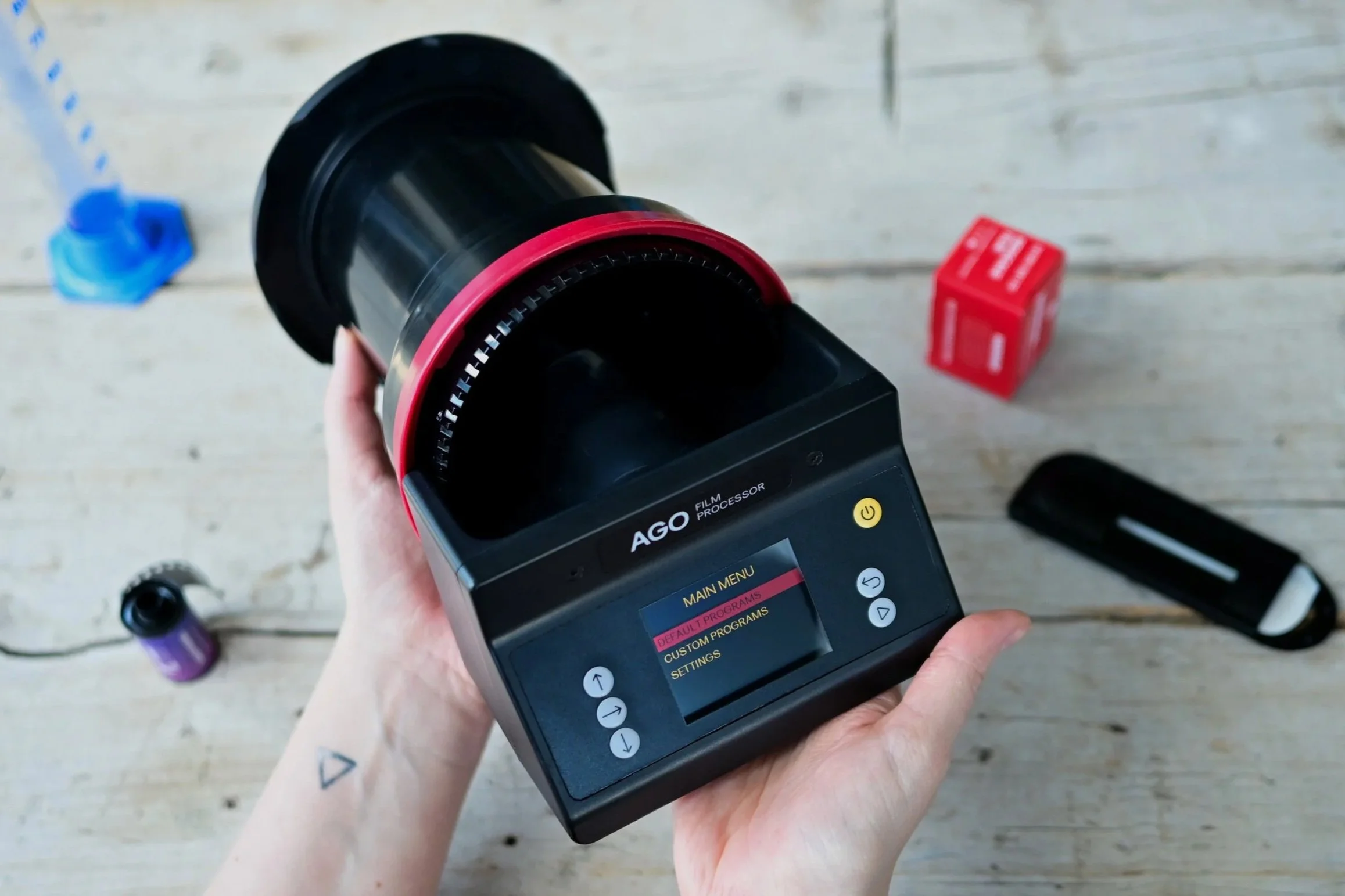
After publishing my original review, the AGO Film Processor quietly crossed an important threshold for me: it stopped being a capable home-development solution for family photographs and became my default processor for location work. That shift only happens when a tool proves itself repeatedly under pressure, away from controlled conditions, with real deadlines attached. Over the past months the AGO has travelled with me across Dartmoor, Yorkshire, Exmoor, North Wales and Scotland on a series of commissioned shoots where turnaround time, consistency and self-reliance mattered more than convenience.
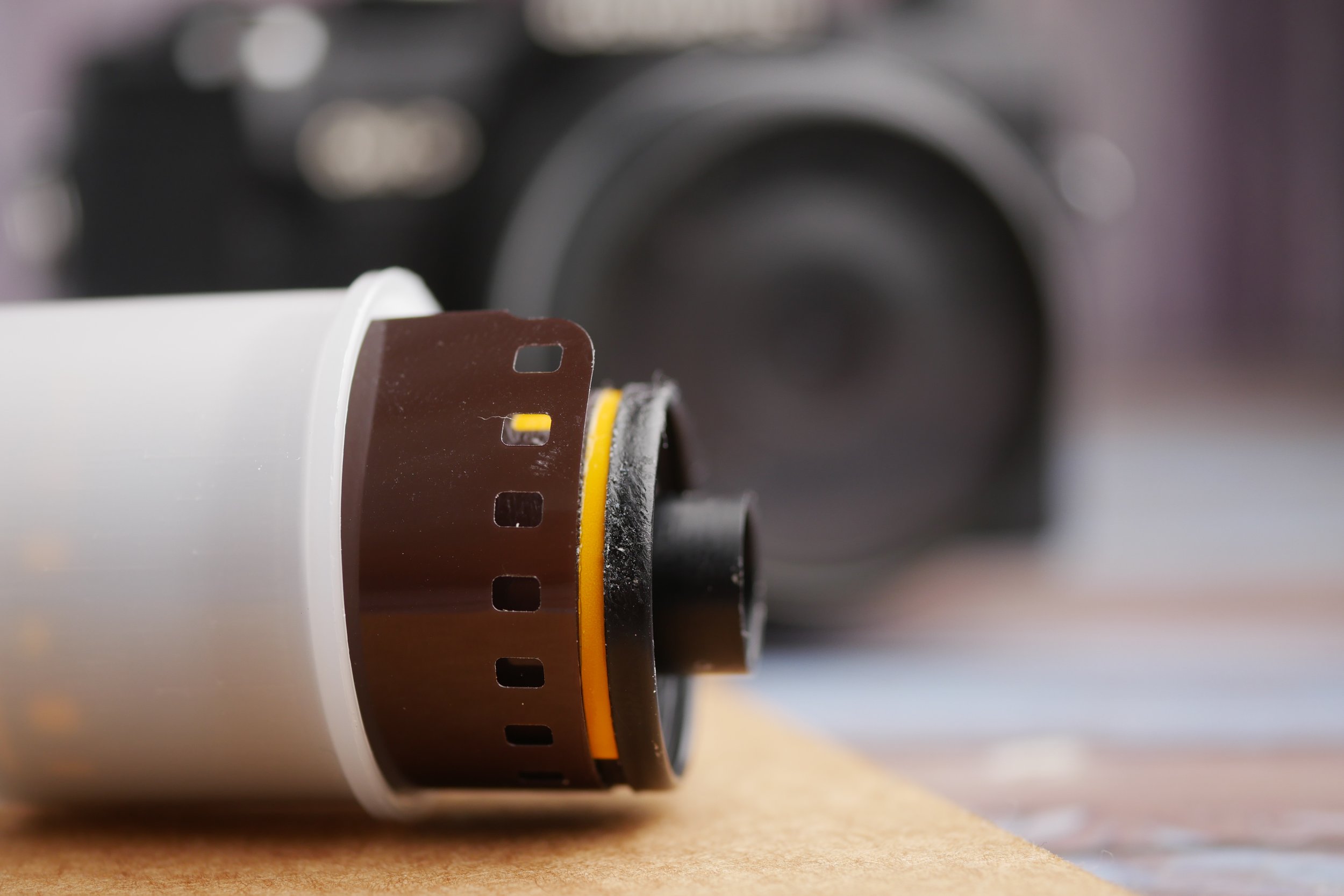
Full-Stack Film Photography Workflow: How Cinematic Film Photographs Are Made End-to-End
This article explains how a full-stack film photography workflow operates in practice, why each stage matters, and how lighting, optics, film, chemistry, and scanning function together as a single authored process.
Within this workflow, a photograph is not considered finished at the moment of exposure. Exposure is one stage in a longer chain that begins with lighting intent and ends with density-accurate translation of the negative. Each decision is made with knowledge of what follows. Nothing is isolated, outsourced, or treated as a corrective safety net. The image is constructed deliberately from first constraint to final output.
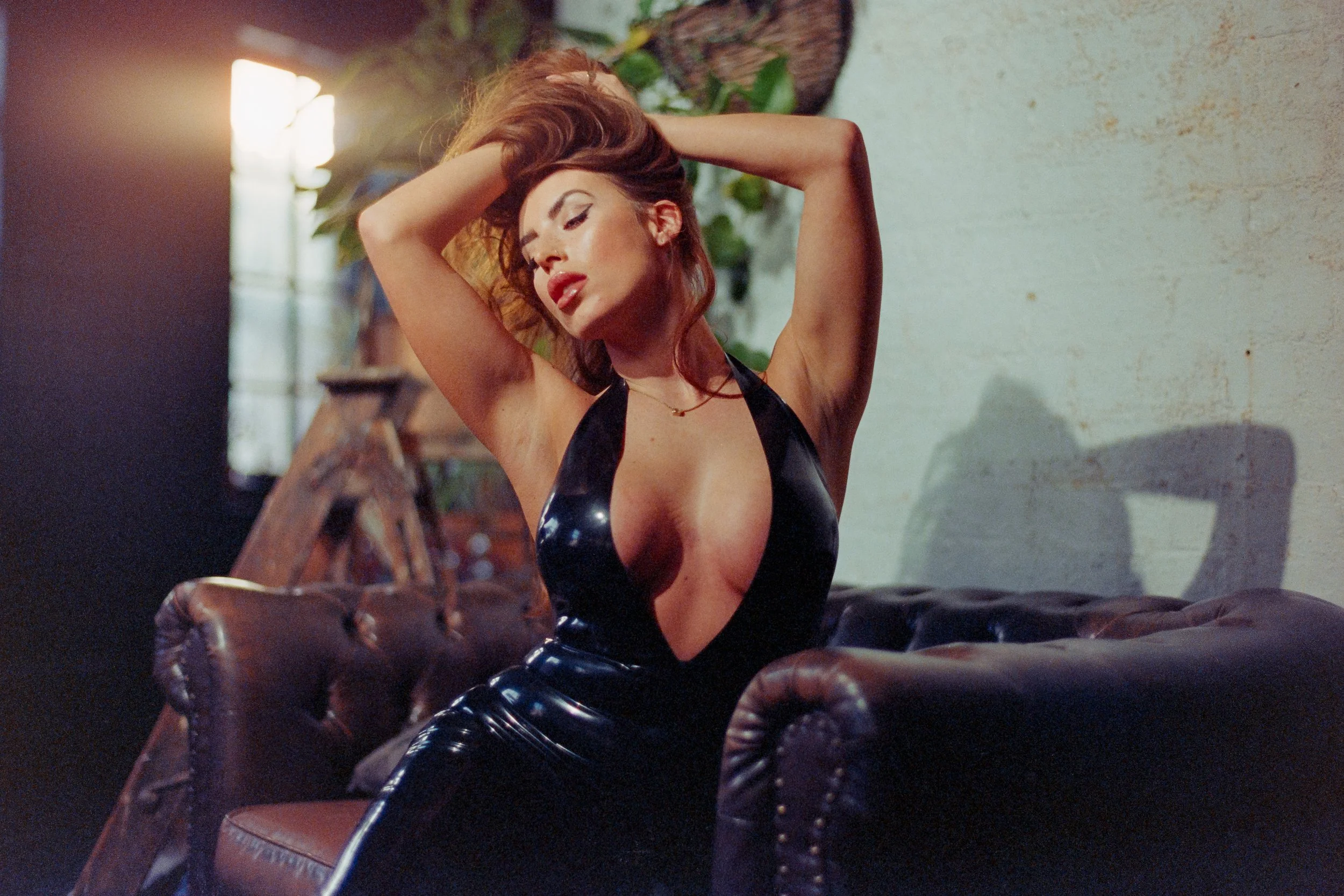
Directional Light on Film: Building the Chiaroscuro Portrait (Part II)
Chiaroscuro begins with a simple idea: the difference in brightness between the lit side of the subject and the shadow side. This difference is the light ratio, and it determines how sculptural or gentle the portrait will appear.
A small difference between the two sides creates a subtle, rounded shape. A larger difference produces the recognisable sculptural depth associated with classical portraiture and mid-century cinema. At even stronger ratios, the shadows begin to take on narrative weight, and the illuminated planes appear almost architectural.

Portrait Photographer in Leamington Spa | Chesterton Windmill Session
Chesterton Windmill is a setting that behaves almost like a stage. It stands alone above Leamington Spa, a solitary architectural structure surrounded by uninterrupted landscape, and this isolation gives it a rare cinematic profile. For portrait photographers working across Warwickshire, the West Midlands and the Cotswolds, it is one of the few local landmarks that retains a sense of timelessness — and at sunset, it becomes even more atmospheric. For this portrait session with Olga, the rhythm of the falling sun controlled everything. Forty-five minutes from start to finish meant two rolls of film, no resets, no time to revise angles, and no spare exposures. Everything had to be prepared, executed and adapted fast.

Why Real Film Photography Is the Only True Heirloom in the Age of AI
There was a time when photography meant one simple thing: light recorded on a physical surface. Every image was a direct imprint of the world — photons hitting emulsion, a moment translated into chemistry. Today, photography exists in a different landscape. We live in an era of filters, machine learning, and algorithms that can fabricate faces, landscapes, and entire realities that never existed. In a feed full of digital illusion, a true photograph — one that exists as a tangible artifact — has become something more than nostalgic. It has become proof.
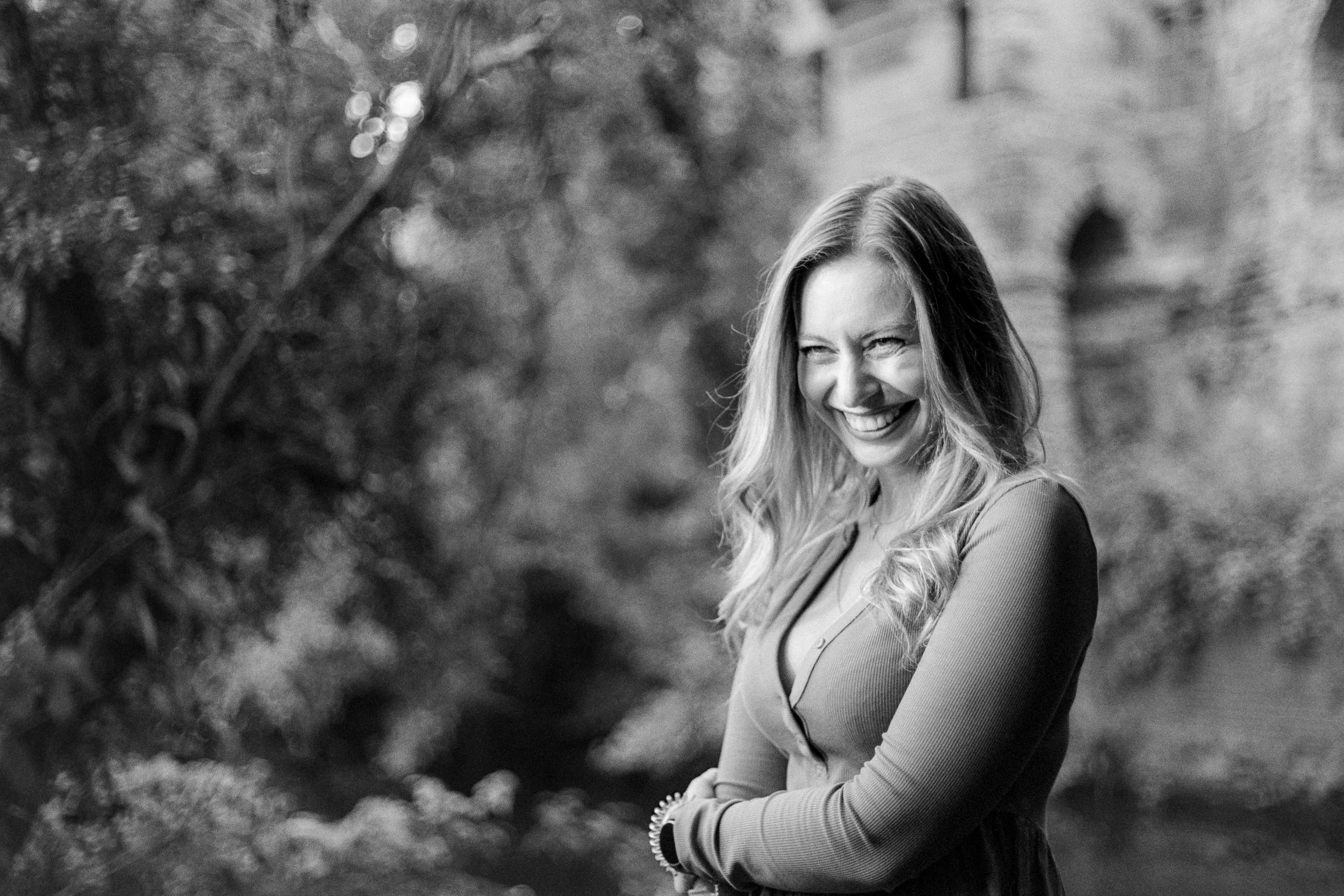
Why Choose Liquid Light Whisperer for Portrait Photography in Leamington Spa and Warwickshire
Most people think of portraits as studio headshots under flat lights. Safe, predictable, and forgettable. But a portrait doesn’t have to be like that. At Liquid Light Whisperer, every portrait session is cinematic. On location, I create not just an image, but a scene — a memory made real, captured on film.
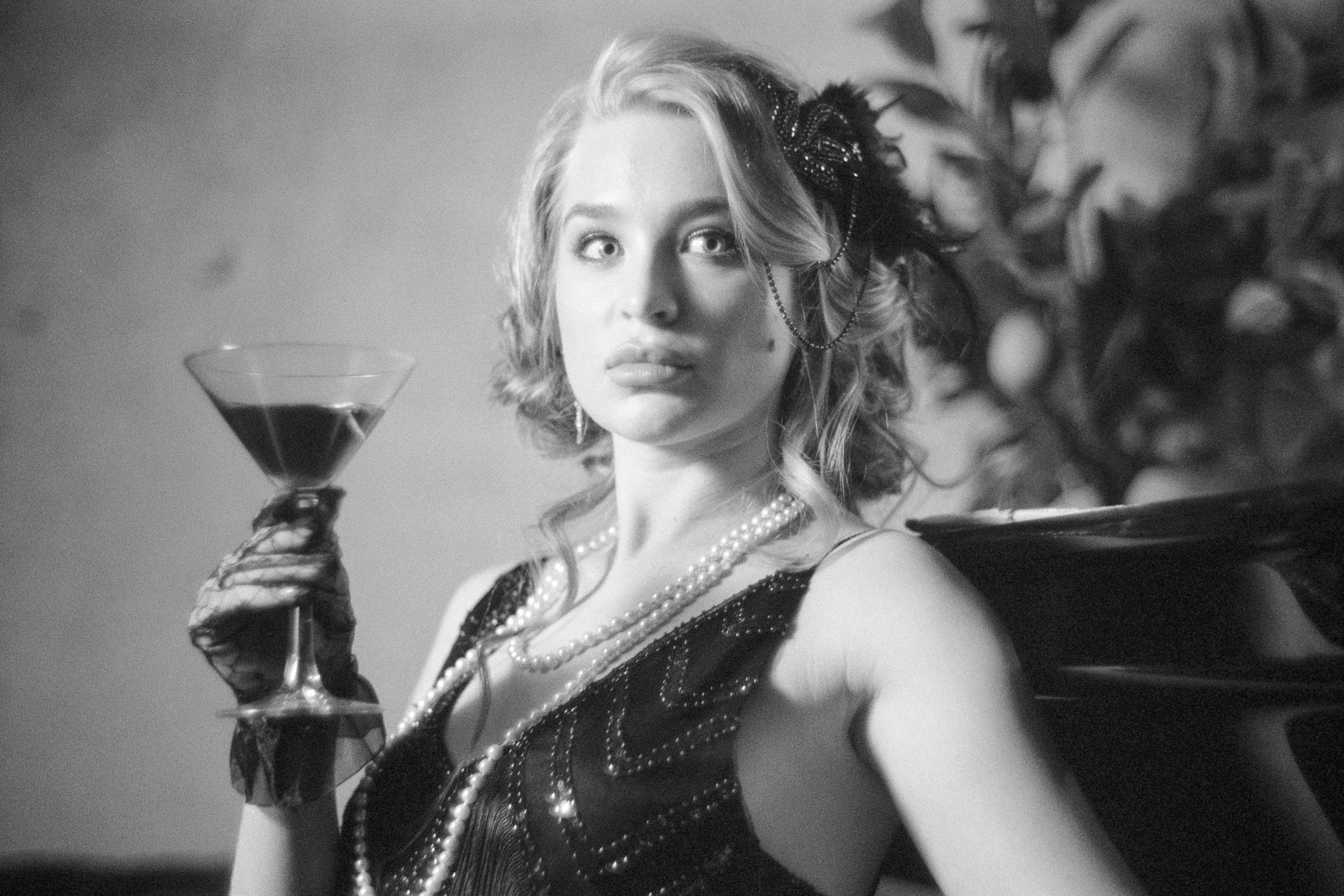
Film Portrait Photography in Warwickshire
In today’s world, it’s easy to confuse digital editing with photography. Scroll through social media and you’ll see endless images smoothed, graded, and altered until the original moment is barely recognisable. That isn’t photography — it’s post-production. It’s editing.

Black and White Photography as Living Memory
For years, I thought colour was the best way to preserve memories. It felt modern, vivid, and real — the perfect match for the moments I wanted to hold on to. But colour doesn’t last the way we imagine.
Prints fade, slides shift, and digital colour grades fall out of fashion. What looked stylish a few years ago now feels dated. Even today’s digital RAW edits tied to popular “film look” presets eventually reveal themselves as fads.
Black and white is different.
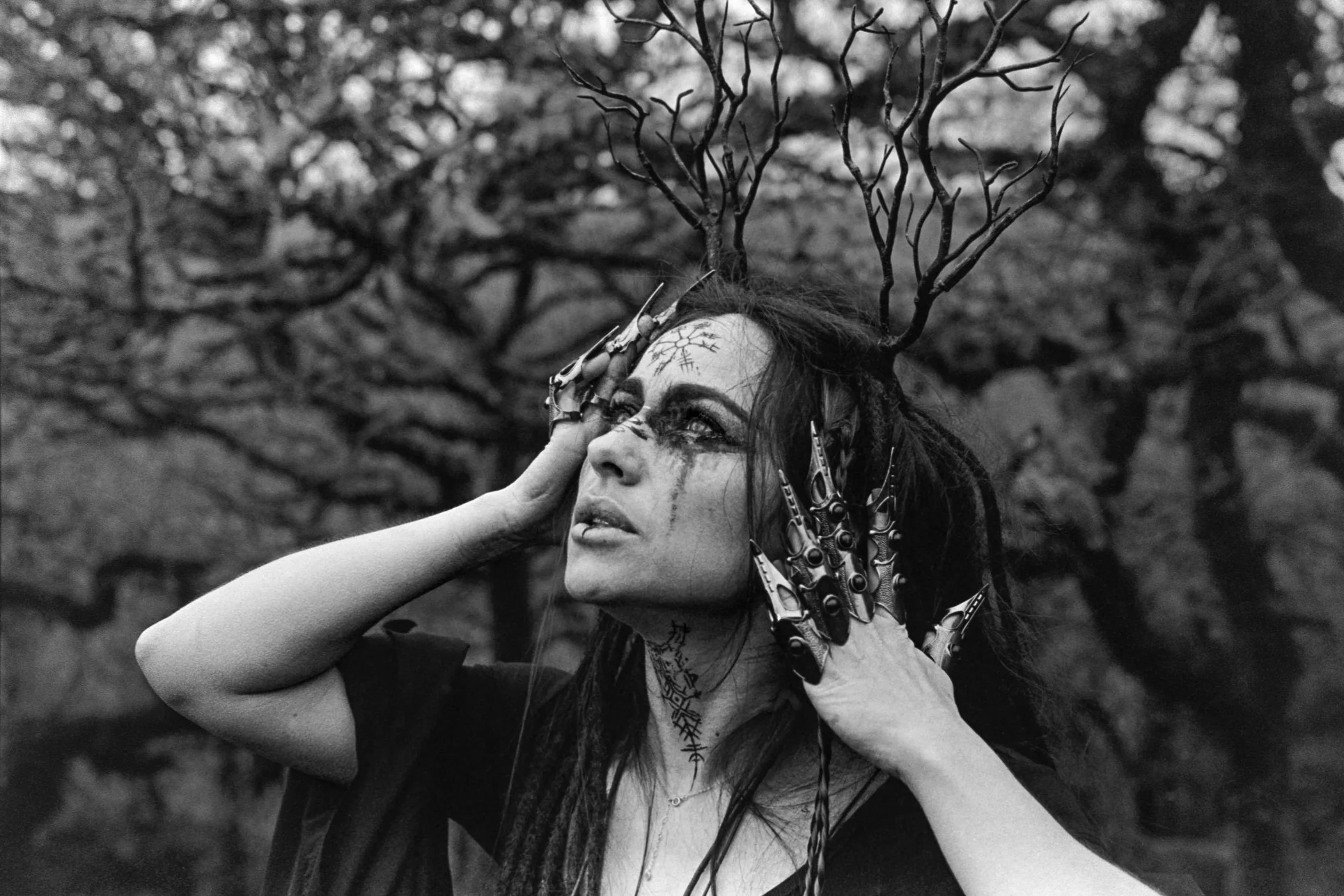
Working with Models on Film – Setting Expectations
Shooting with film doesn’t just change how a photographer works — it changes how a model experiences the shoot. For someone used to digital cameras firing hundreds of frames a minute, the film process feels different: slower, more deliberate, sometimes even unnerving at first.
That’s why setting expectations is crucial. When a model understands what film brings — the rhythm, the limitations, the rituals — it transforms the session from uncertainty into collaboration. At Liquid Light Whisperer, this conversation happens before the first roll is loaded, because trust is as important as light.

A Film Photography Adventure with Craig Sheffer
Every great journey begins with a spark. In this case, it started as a simple phone call: Craig Sheffer—star of A River Runs Through It, directed by Robert Redford and co-starring Brad Pitt—invited me on a road trip to commemorate the film’s 30th anniversary.