The Cinematic Notebook
The craft behind our portraiture and film development.
How This Notebook Connects to Film Photography and Film Development
Every article in this archive reflects the full analogue workflow used by Liquid Light Whisperer and Liquid Light Lab — from motivated lighting and optical rendering through to controlled development and high-dynamic-range scanning. The same discipline documented here is applied to commissioned portrait work and to every roll processed in the lab.
Analogue as Memory – Why Negatives Outlast the Cloud
When an image is exposed on film, it isn’t yet a photograph. It lives invisibly in the emulsion, suspended between existence and nothingness — a latent ghost of light. At this stage it can still be erased, fogged, or lost entirely, but it is there, waiting. Only when it meets developer does it reveal itself, and only when it meets fixer is it frozen forever. That alchemy — the moment when something ephemeral becomes permanent — is what makes film different. Memory doesn’t just appear; it is conjured, stabilised, and preserved.

The AGO Film Processor – A Modern Workhorse for Analogue Photographers
The AGO Film Processor bridges home development and lab-level consistency. From 510 Pyro to C-41 and ECN-2, it saves chemistry, compensates for temperature drift, and delivers repeatable, professional results at home. Not perfect, but a game-changer for anyone serious about film developing.

A Timeless Developer for Modern Eyes: 510 Pyro Review
Pyro-based developers have a rich history dating back to the very origins of photography in the 1830s. Early photographic pioneers in England—including William Henry Fox Talbot—experimented with gallic acid and its derivatives, such as pyrogallol (the chemical foundation of pyro developers).
Lomography Daylight Development Tank – Prototype Review
Lomography UK recently reached out to me with an exciting proposition: test and review a prototype of their new Daylight Development Tank.
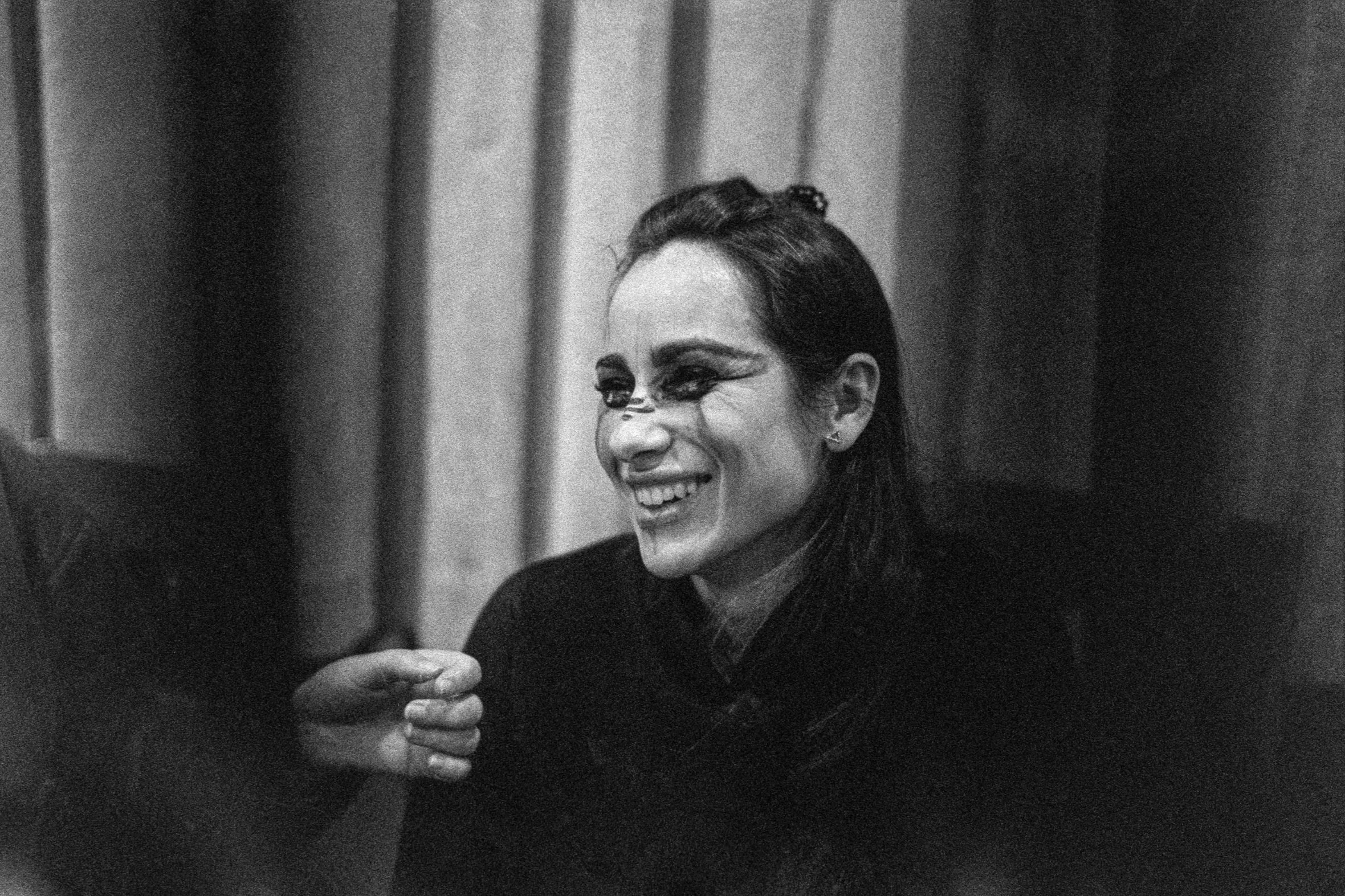
Ilford Delta 3200 Review: A Timeless Embrace of Shadow, Grain, and Mood
Ilford Delta 3200 has long been my film of choice for capturing intimate, atmospheric moments in low-light scenarios. There is an unmistakable magic that emerges when you push a high-ISO black-and-white emulsion like Delta 3200 to its limits.

A Film Photography Adventure with Craig Sheffer
Every great journey begins with a spark. In this case, it started as a simple phone call: Craig Sheffer—star of A River Runs Through It, directed by Robert Redford and co-starring Brad Pitt—invited me on a road trip to commemorate the film’s 30th anniversary.
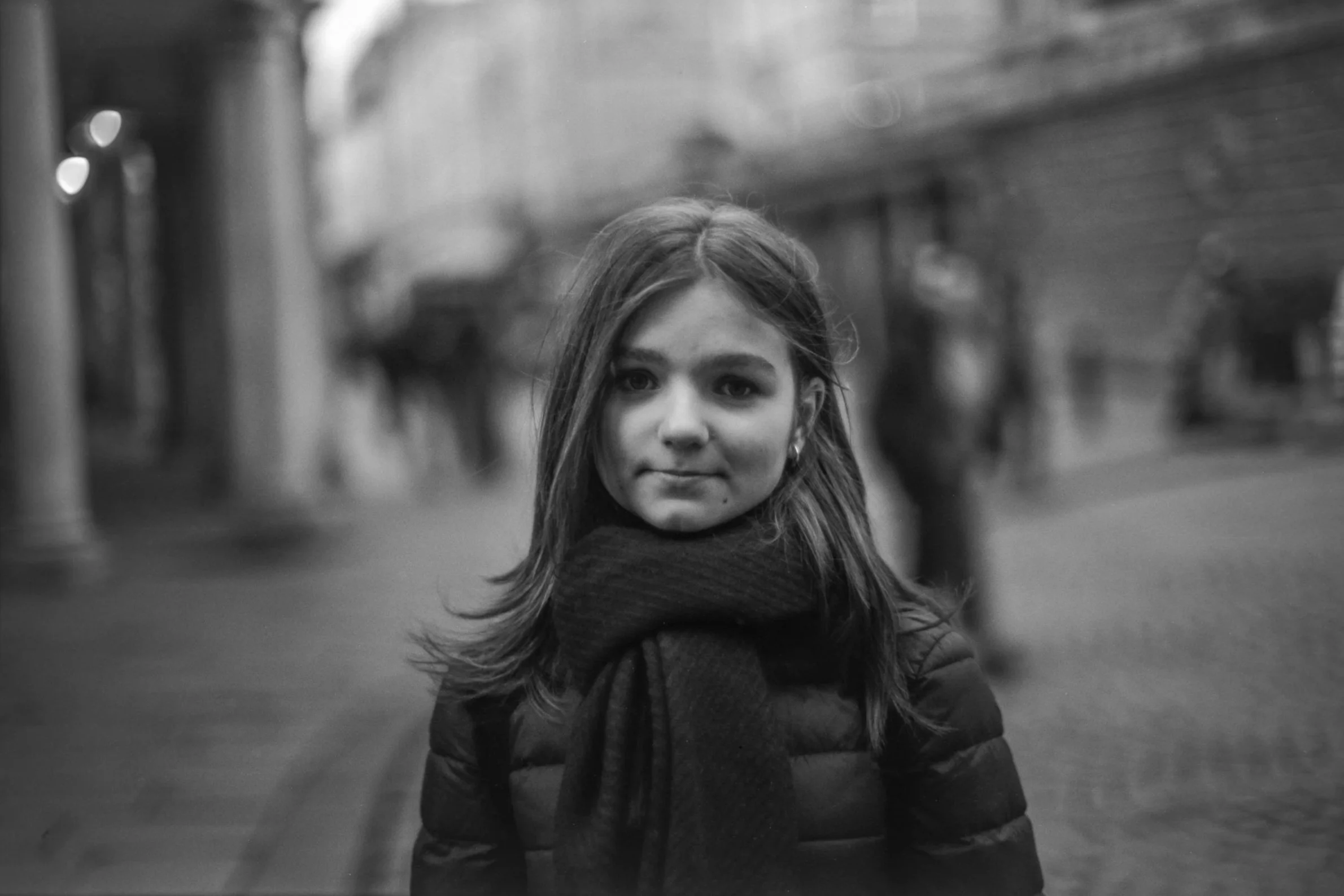
Lomography Babylon 13 at ISO 6: Exploring Ultra-Low-Speed Mastery with a Leica M3 and 510 Pyro
Lomography’s Babylon 13 is already known as a strikingly low ISO black-and-white film, but pushing it further by rating it at ISO 6—or even ISO 3—invites a whole new level of experimentation for those of us who love the slow, methodical pace of analogue photography.

Leica’s Legendary Craftsmanship: From Barnack’s Vision to the M5 and M6.
Leica’s Legendary Craftsmanship: From Barnack’s Vision to the M6. From the full frame size of a digital sensor, to 36 rolls of film in a cannister - 35mm photography begins with Oskar Barnack.

The Creation of 35mm Photography: Oskar Barnack’s Vision and the Leica Legacy
From the earliest days of photography, cameras were hefty, complicated devices. Plates were large and unwieldy, limiting both portability and the opportunities to shoot spontaneously. Oskar Barnack (1879–1936), an ingenious optical engineer at Ernst Leitz Wetzlar in Germany, would change all of that forever.

Welcome to Liquid Light Whisperer: A Home for Analogue Film Photographers.
In an era dominated by instant digital results, film photography offers a tangible connection to the artistic process. Each roll is a journey—focused on mindful composition, thoughtful metering, and the craft of chemical development. The grain, the colour rendering, and even the minor imperfections all add character, reminding us that photography is more than just pressing the camera shutter button.