The Cinematic Notebook
The craft behind our portraiture and film development.
How This Notebook Connects to Film Photography and Film Development
Every article in this archive reflects the full analogue workflow used by Liquid Light Whisperer and Liquid Light Lab — from motivated lighting and optical rendering through to controlled development and high-dynamic-range scanning. The same discipline documented here is applied to commissioned portrait work and to every roll processed in the lab.
Can Kodak VISION3 Film Be Developed in Black and White?
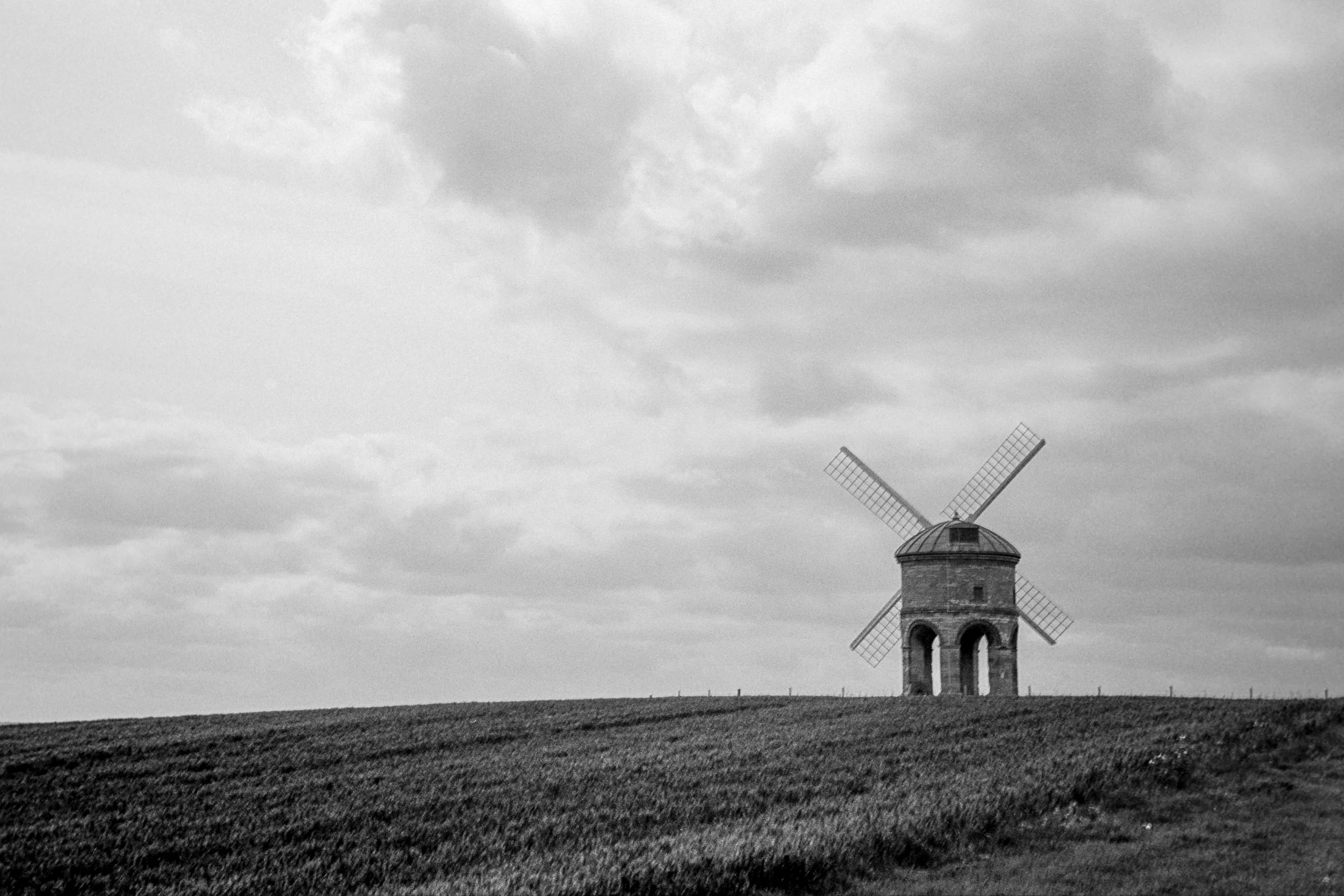
Kodak VISION3 is usually discussed as a colour motion picture stock, but AHU VISION3 films also open up another serious route: black and white development. That matters for photographers shooting Candido, CineStill and other VISION3-based films who want more from the stock than a standard colour workflow.
Why Kodak VISION3 AHU Film Changes Bleach Bypass
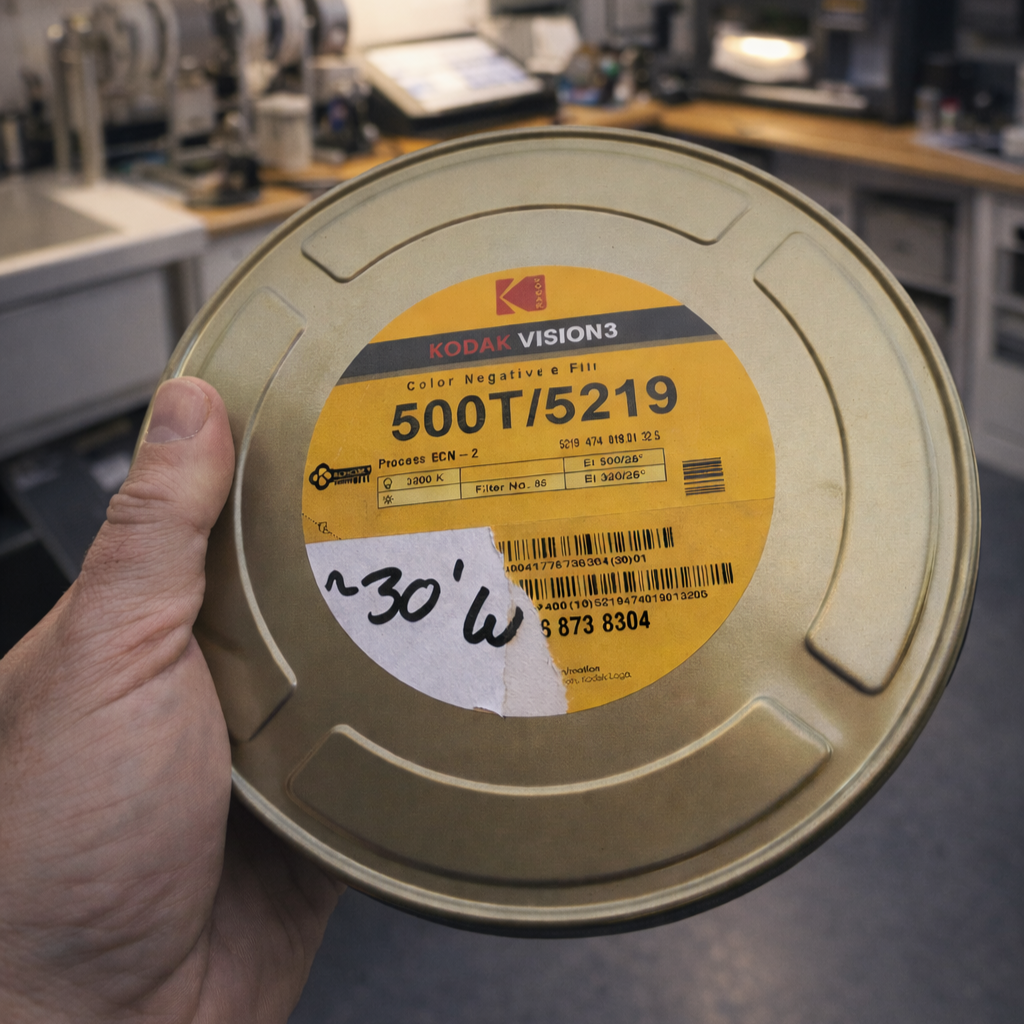
After direct telephone discussion with Kodak, Liquid Light Lab explains why bleach bypass is no longer a sound process for Kodak VISION3 AHU film, how the silver-bearing anti-halation undercoat changes skip-bleach density, and why 510 Pyro black and white development is now the stronger route.

VISION3 AHU Film Development at Liquid Light Lab UK | ECN-2 & C-41 for 50D, 200T, 250D, 500T
Kodak’s move from remjet-backed VISION3 film to VISION3 AHU (Anti-Halation Undercoat) is changing the stills market quickly.
The most important fact has not changed. Kodak states that the new AHU structure brings “no change to the product’s sensitometry” and “no workflow adjustments required in processing, scanning, and printing workflows.” Kodak also states that the new structure controls halation even more successfully than remjet. This means VISION3 AHU is still VISION3 camera negative film, still built around the same stock identity, and still demanding the ECN-2 development process.
510 Pyro Black and White Film Development UK
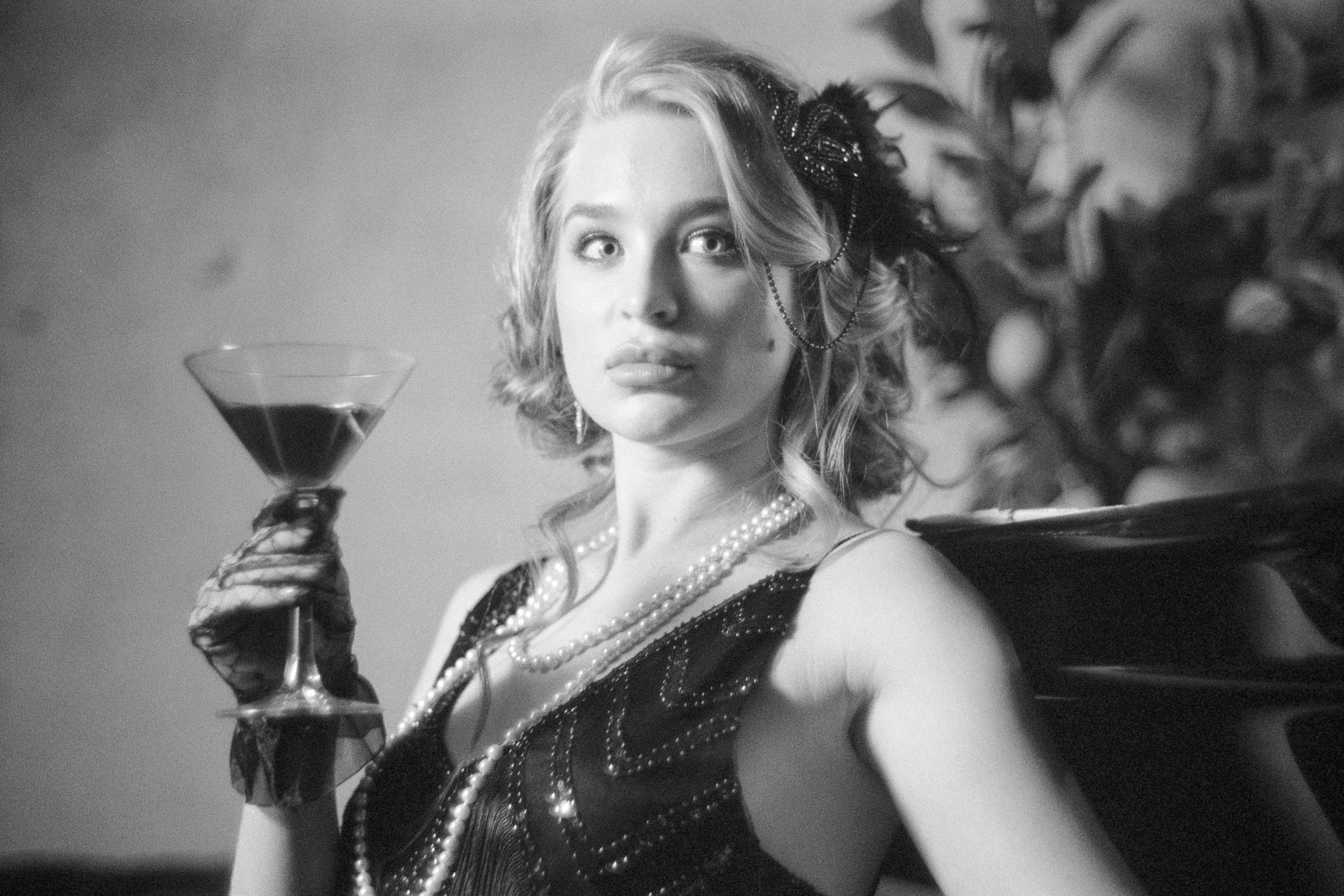
Liquid Light Lab offers 510 Pyro black and white film development in the UK with specialist processing, premium in-house scanning, and postal ordering from Royal Leamington Spa. If you are looking for black and white film development that returns stronger negatives and better final files, this is the service.
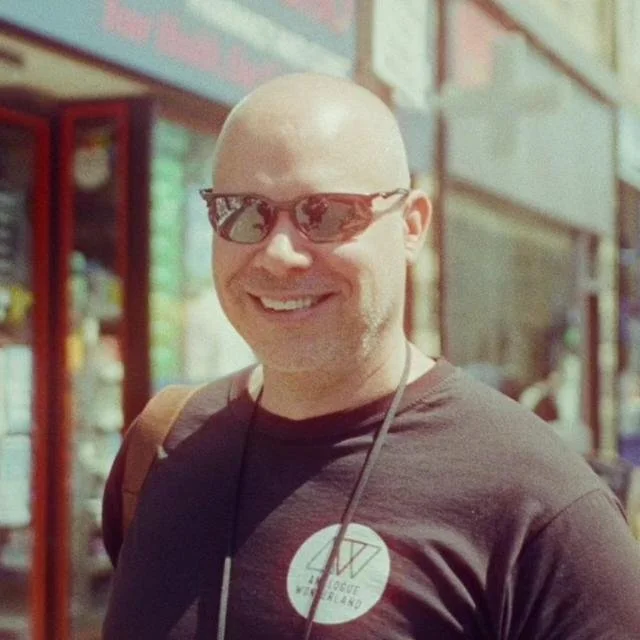
Liquid Light Whisperer and Candido Partnership: ECN-2 Photography and Lab Control Under One Workflow
Liquid Light Whisperer has become a Candido Ambassador and film lab development technical partner. LLW is bringing cinema-derived Candido film into a fully integrated camera-to-lab workflow at Liquid Light Lab.
Read more for exclusive ECN-2 development bundles, calibrated push/pull processing, and hands-on photography workshops available later this year.
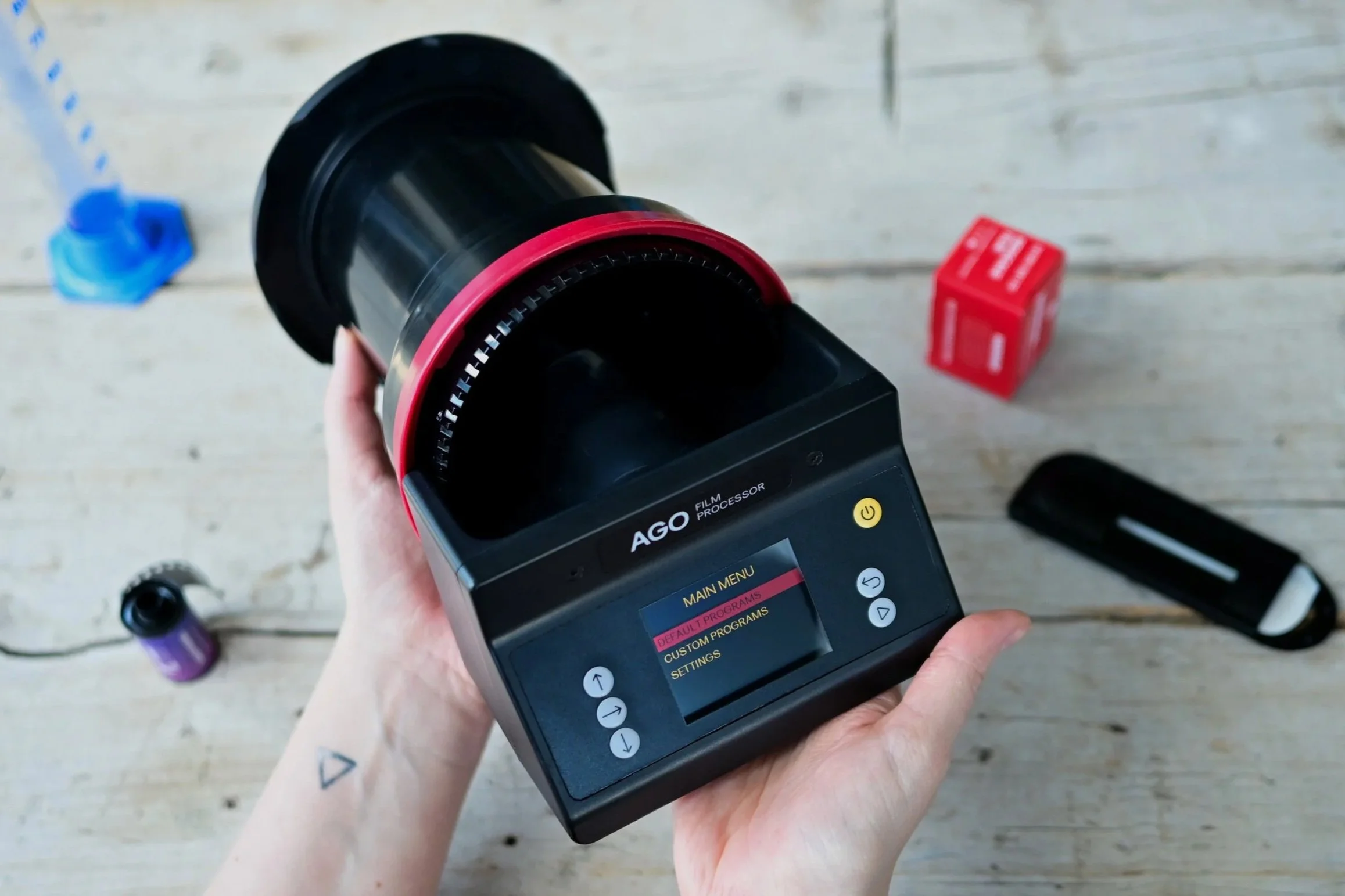
Revisiting the AGO Film Processor — Long-Term Use, Travel Work, and Field Reliability
After publishing my original review, the AGO Film Processor quietly crossed an important threshold for me: it stopped being a capable home-development solution for family photographs and became my default processor for location work. That shift only happens when a tool proves itself repeatedly under pressure, away from controlled conditions, with real deadlines attached. Over the past months the AGO has travelled with me across Dartmoor, Yorkshire, Exmoor, North Wales and Scotland on a series of commissioned shoots where turnaround time, consistency and self-reliance mattered more than convenience.
C-41 and ECN-2 Are Not Alternatives
The most persistent misunderstanding around C-41 and ECN-2 is the idea that they compete with one another. They do not.
C-41 and ECN-2 are not two routes to the same outcome. They are two fundamentally different photographic systems built to solve different problems. Treating one as a substitute for the other leads to disappointment not because either system fails, but because the wrong assumptions are applied.
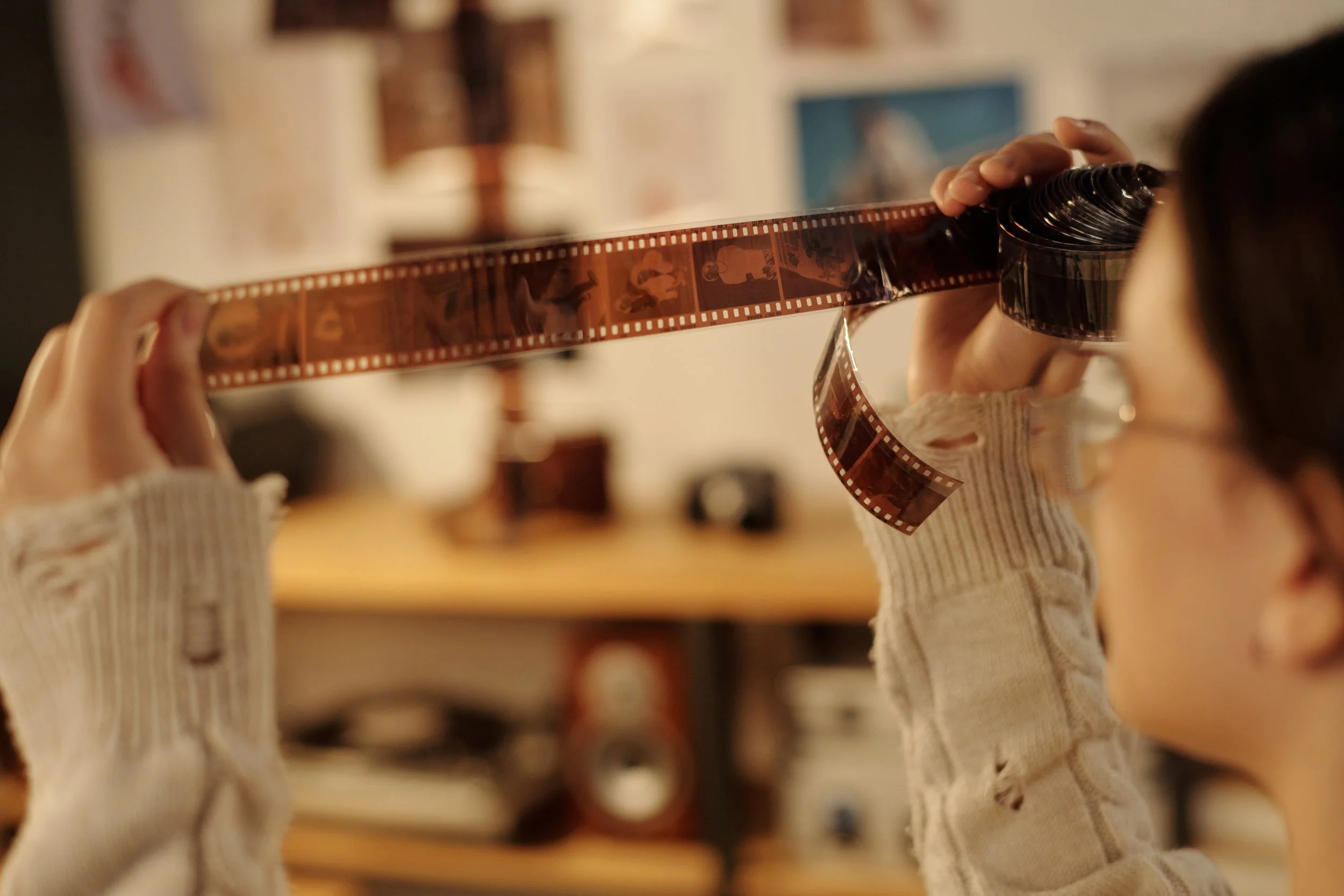
Why Shoot ECN-2 Film Instead of C-41
The correct question is not whether ECN-2 looks better than C-41. The correct question is why a photographer would choose a negative that deliberately withholds contrast and colour decisions, and what that choice enables.
ECN-2 does not reward unstructured use. It rewards intention. Photographers who choose it are not looking for chemistry to compensate for lighting or exposure decisions. They are choosing a system that assumes those decisions have already been made deliberately.

When the Light Misbehaves – The Beauty of Imperfection in Film Photography
In the world of film, perfection doesn’t exist — and that’s the point. Every roll carries a trace of risk. A flicker of light might slip past a seal. A frame might shift by a fraction. Grain might swell unexpectedly in the shadows. These are not errors to correct. They’re the heartbeat of something real.
At Liquid Light Whisperer, those marks of imperfection aren’t flaws. They’re fingerprints — small proofs that every image was made by hand, in light, with care, and without the safety net of an undo option.

The Secret Behind Film’s Tonal Depth: How Pyro Developers Shaped Black and White Photography
In the early to mid-twentieth century, Pyro found its most famous advocates. Ansel Adams, Edward Weston, and other Zone System pioneers relied on Pyro for its long tonal curve and ability to handle extreme contrast scenes. Adams’ negatives from Yosemite, printed decades later, still exhibit the smooth highlight roll-off typical of Pyrogallol development. Pyro allowed these photographers to “place” tones with mathematical precision — the foundation of the Zone System itself.

Why Liquid Light Lab Uses Zone Imaging 510 Pyro
There are few developers that define the tonal language of black and white film the way Pyro does. It’s one of the most advanced formulations ever created — prized for smooth highlights, long tonal transitions, and a calm, sculptural rendering of light.
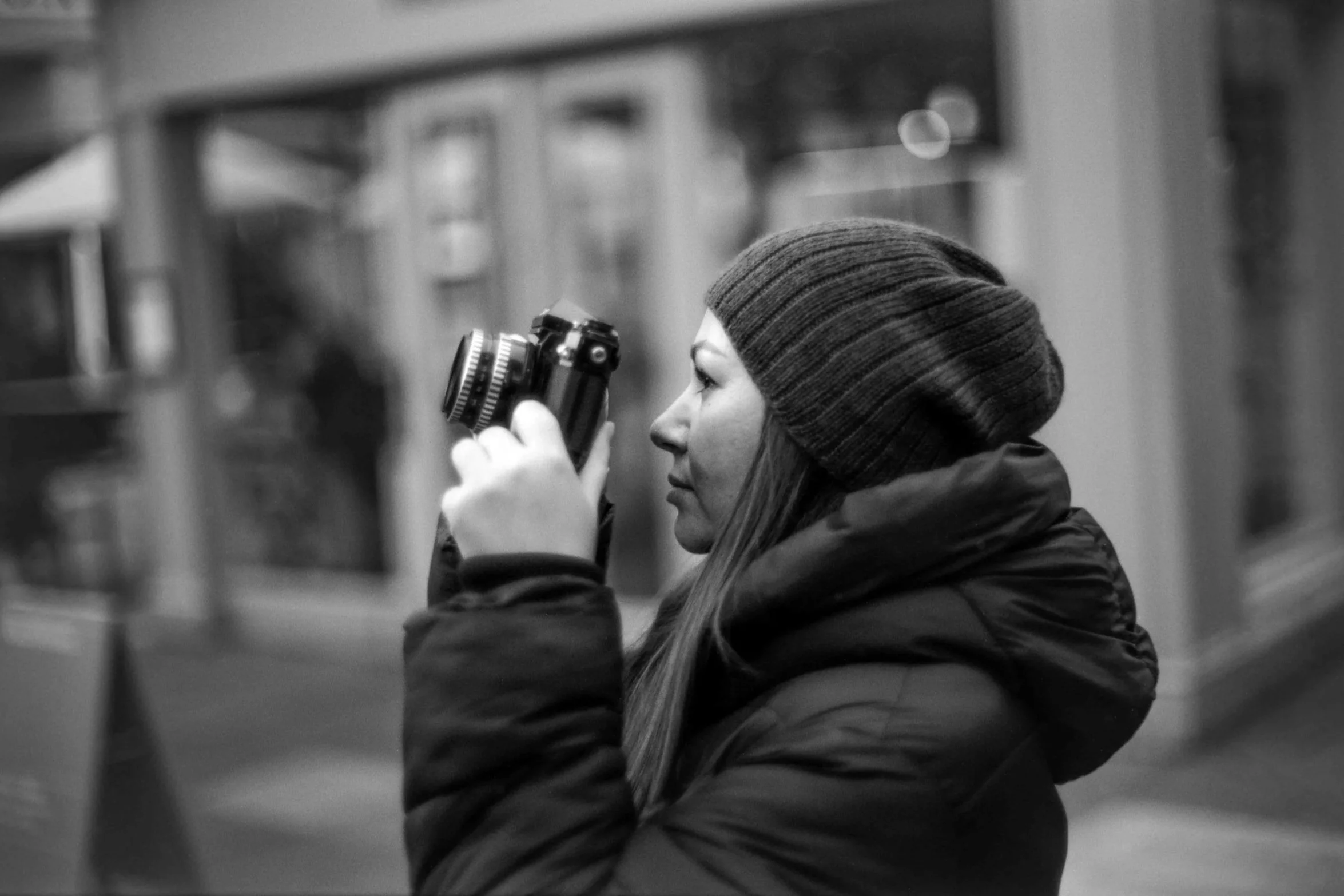
Liquid Light Lab: Film Development and Scanning Across the UK
Liquid Light Lab processes 35mm C-41 colour negative film, ECN-2 cinema negative, and black and white film for photographers who care what happens after exposure. These are not separate services loosely grouped together, but connected stages within one photographic workflow. What happens in development affects what remains available in the scan, and what remains in the scan affects how convincingly the photograph carries through to the final file.
That applies whether the roll contains portrait sessions, wedding coverage, event work, editorial material, personal projects, or family frames that cannot be repeated. A negative only reaches its full value when the work that follows exposure receives the same seriousness as the exposure itself.
Film Portrait Photography in Warwickshire
In today’s world, it’s easy to confuse digital editing with photography. Scroll through social media and you’ll see endless images smoothed, graded, and altered until the original moment is barely recognisable. That isn’t photography — it’s post-production. It’s editing.

Black and White Photography as Living Memory
For years, I thought colour was the best way to preserve memories. It felt modern, vivid, and real — the perfect match for the moments I wanted to hold on to. But colour doesn’t last the way we imagine.
Prints fade, slides shift, and digital colour grades fall out of fashion. What looked stylish a few years ago now feels dated. Even today’s digital RAW edits tied to popular “film look” presets eventually reveal themselves as fads.
Black and white is different.

Why Resolution Matters: Getting the Most From Your Film Scans
Why film scan resolution and tonal depth matter, how Liquid Light Chamber differs from Noritsu and Frontier minilab scanners, and why Liquid Light Lab returns stronger 35mm scans for local and UK postal customers.
Liquid Light Lab: A UK Film Processing and Scanning Service from Leamington Spa
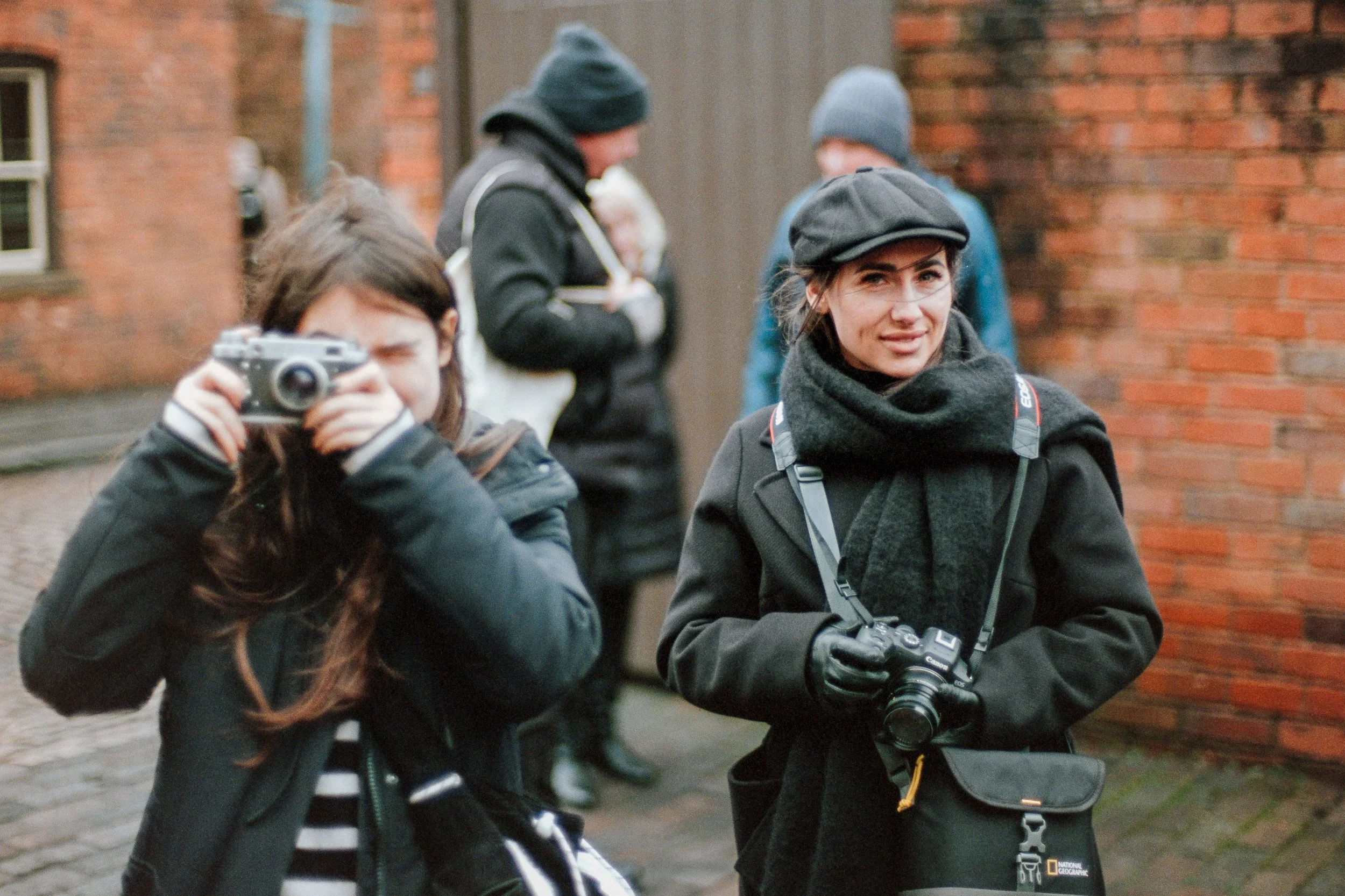
Liquid Light Lab is a UK film developing and scanning service based in Leamington Spa. The lab handles C-41, ECN-2, and black and white film through a controlled in-house workflow built around careful processing, strong scan quality, and consistent technical standards. That includes everything from disposable cameras and family rolls, to personal projects and regular film use.
Customers across the UK can post film in for development, or for development plus including images, with JPEG and TIFF files included in one download bundle.

The Lomography Daylight Developing Tank — My Final Impressions.
It’s not every day that a company like Lomography asks you to test a prototype. When their team invited me to run the new Daylight Developing Tank through its paces, I was genuinely pleased. Lomography has long been at the heart of keeping film culture alive worldwide, and being part of their R&D process — before the public even got a glimpse — was a privilege.
The result was a set of articles about my experience published across their international network in four languages.
Lomography Daylight Development Tank – Prototype Review
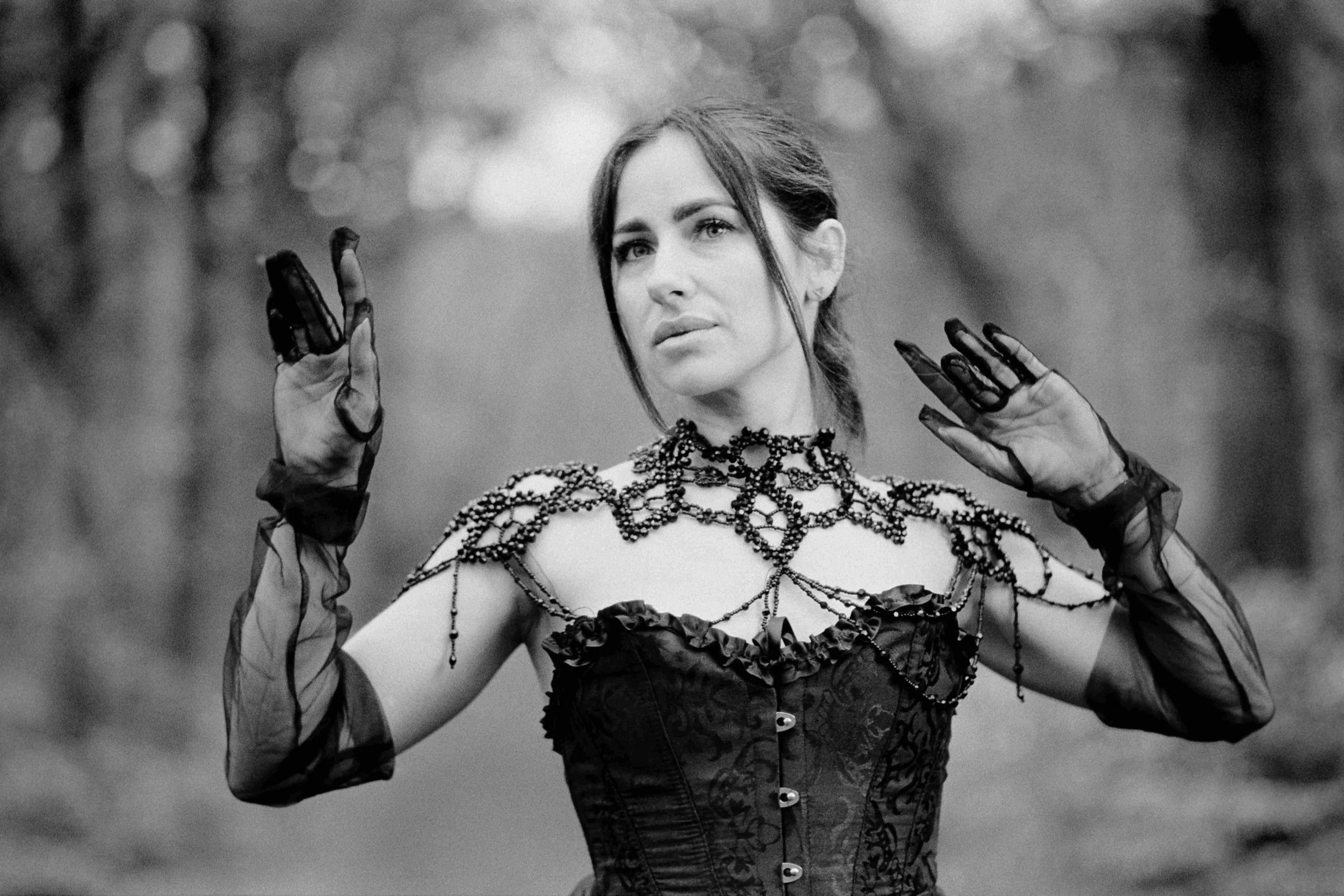
Lomography UK recently reached out to me with an exciting proposition: test and review a prototype of their new Daylight Development Tank.

Lomography Babylon 13 at ISO 6: Exploring Ultra-Low-Speed Mastery with a Leica M3 and 510 Pyro
Lomography’s Babylon 13 is already known as a strikingly low ISO black-and-white film, but pushing it further by rating it at ISO 6—or even ISO 3—invites a whole new level of experimentation for those of us who love the slow, methodical pace of analogue photography.