The Cinematic Notebook
The craft behind our portraiture and film development.
How This Notebook Connects to Film Photography and Film Development
Every article in this archive reflects the full analogue workflow used by Liquid Light Whisperer and Liquid Light Lab — from motivated lighting and optical rendering through to controlled development and high-dynamic-range scanning. The same discipline documented here is applied to commissioned portrait work and to every roll processed in the lab.
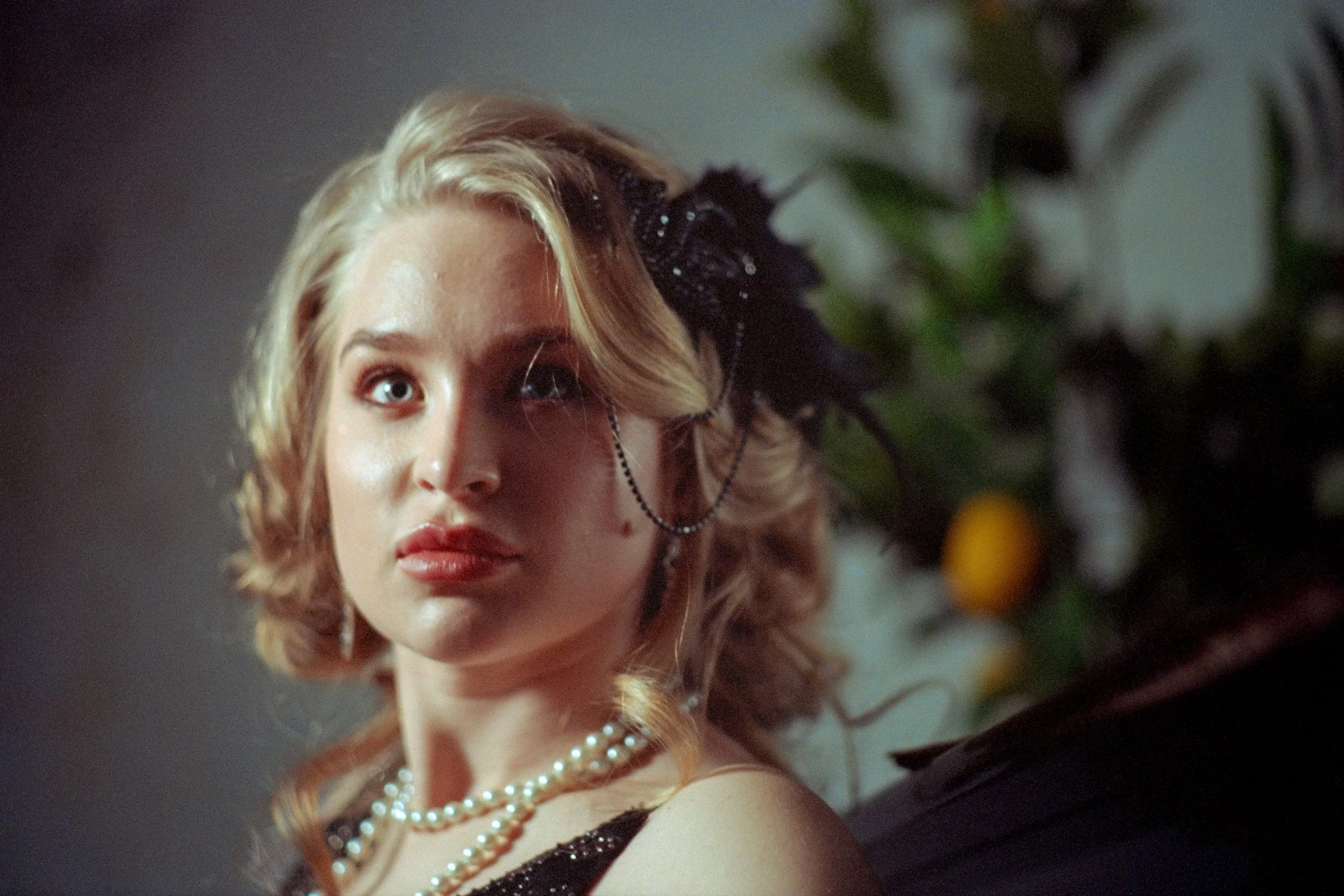
Candido Film in the Studio: ECN-2 Development, Exposure Index and Noir Lighting in Practice
I recently did a professional studio session produced in collaboration with Candido Collective, with Nadia Dutchak modelling and hair and make-up by Iryna Pasechnik. The objective was was to demonstrate how motion picture film behaves when exposure index, lighting structure, development chemistry and scanning are treated as one continuous workflow.
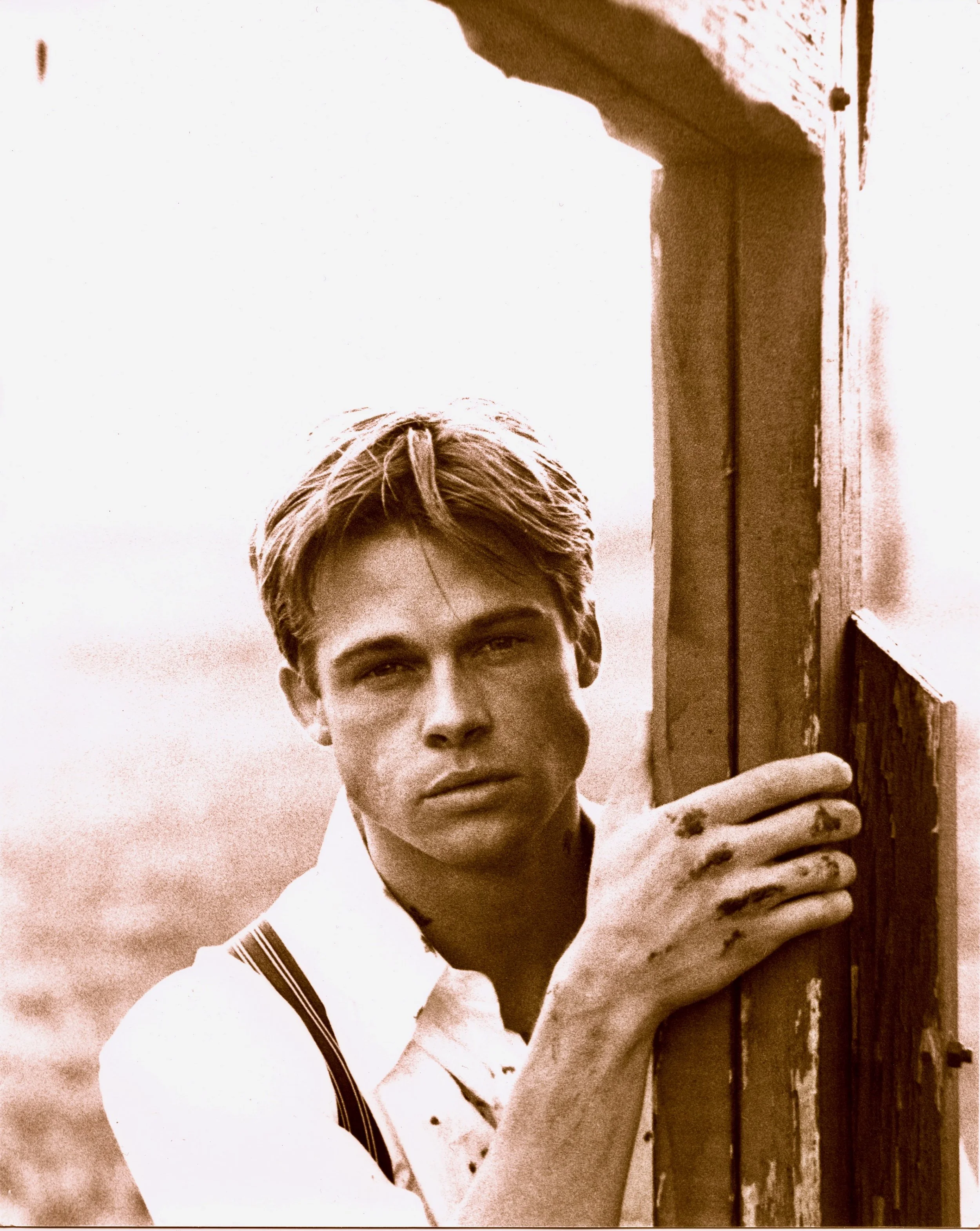
Craig Sheffer on Lighting, Presence and Trust in a Portrait Session
Craig Sheffer starred in the Academy Award winning film A River Runs Through It. We’ve worked with film photography for years, both on the road and in more structured environments. Our conversations tend to drift toward craft, and how our different approaches shape our photography. He has spent decades on sets where lighting is built with intention and repeated with precision. He also makes photographs himself, and this combination gives him perspectives pure photographers can learn from. He understands how structured light affects performance, posture and presence, and how contrast changes the way a face lives within the frame.
Lens, Film, Chemistry — The Three Decisions That Define Cinematic Photography on Film
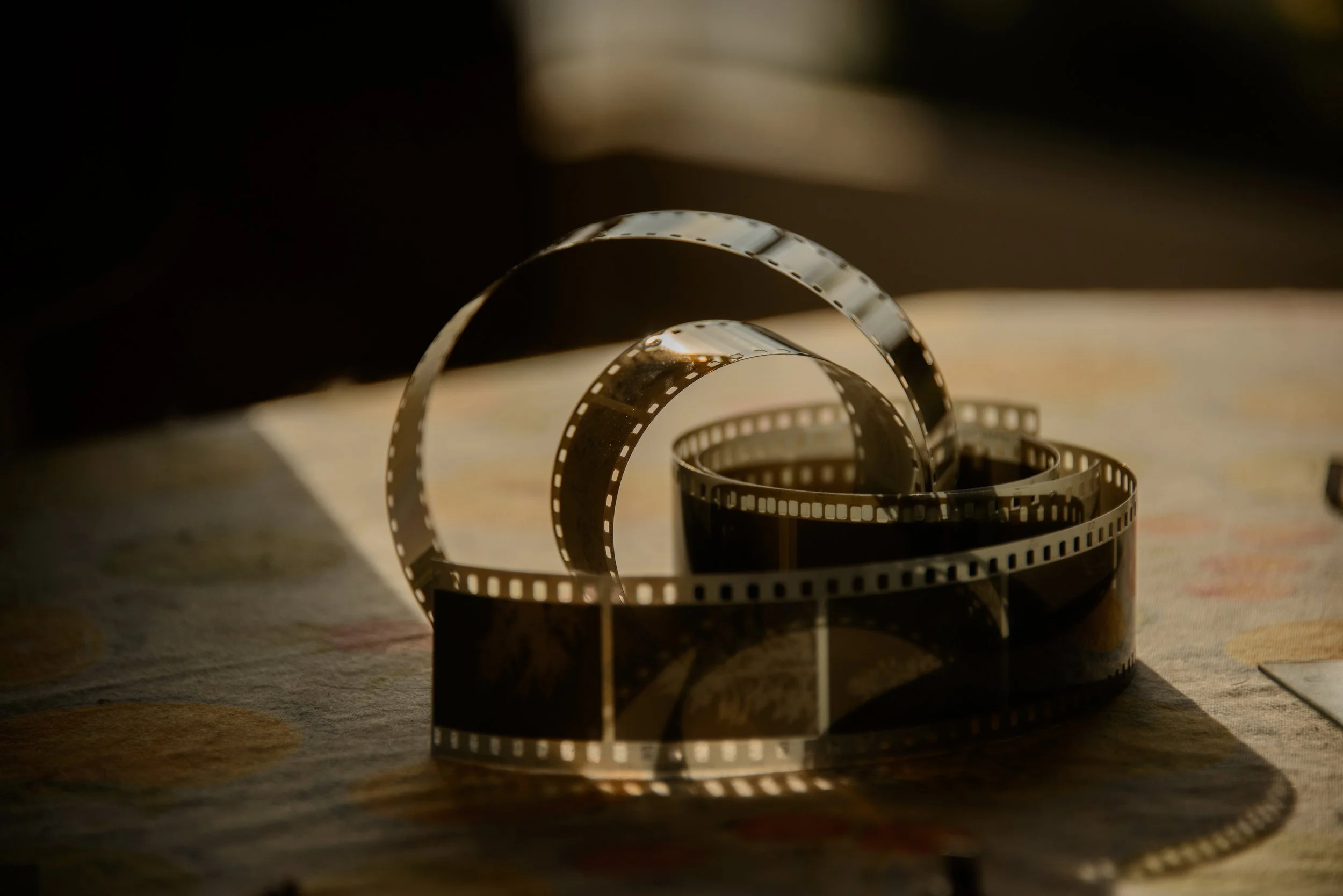
Across decades of cinematography and still photography alike, three decisions consistently govern the final image. They operate at different stages of the process, but together they form a closed system. If one is misjudged, the others cannot compensate. When they are aligned, the photograph holds together with coherence and permanence.
Those three decisions are lens selection, film stock, and chemical processing. Respectively, they define how light is drawn, what kind of record is made, and how that record is stabilised over time. Understanding them as a unified structure is essential to understanding how cinematic photographs on film are actually built.
Voigtländer Nokton 50 mm f/1.1 Review: Cinematic Rendering on Film for Portraits, Weddings, and Events
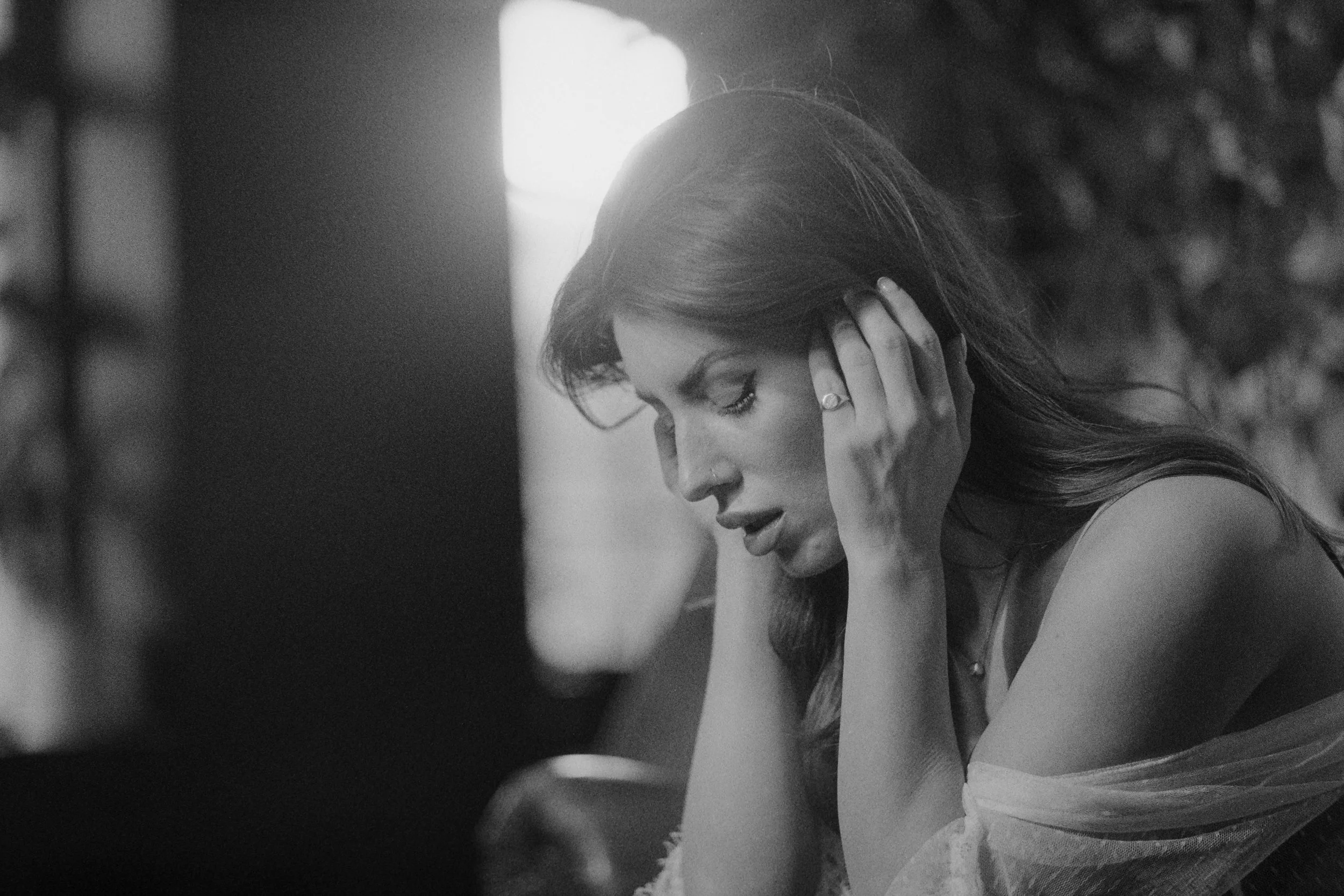
The Voigtländer Nokton 50 mm f/1.1 in M-mount is one of the few modern lenses built with an analogue-era expressive mindset. It is a tool designed to build atmosphere, depth, and tonal weight on film. In portrait sessions, weddings, and low-light events, it behaves with the authority needed for authored image-making. Used on the Leica M3 Double-Stroke as a mechanical work surface, the lens becomes a precise instrument for drawing scenes with intention and harnessing motivational light—whether shaped by controlled artificial lighting, directional window light, or mixed sources structured for coherence.
Directional Light on Film: The Foundations of Depth, Shape, and Tonal Control (Part I)
Chiaroscuro is the controlled use of directional illumination to create depth, dimensionality, and tonal separation inside a portrait. The term is sometimes used loosely to describe dramatic or shadow-heavy images, but that simplification does not describe its real function. Chiaroscuro is not an effect. It is not an aesthetic layer applied to an image. It is a precise lighting system that defines the physical structure of a portrait through the relationship between illuminated planes and shadow planes.

Hellraiser Actor, Simon Bamford — A Portrait Session on Real Film
Across theatre, film, and television, Simon Bamford has built a career grounded in precision and physical awareness. Audiences know him first through the enduring imagery of Hellraiser and Nightbreed — roles that made him a figure within the language of British cult cinema — yet his roots are theatrical. Trained for the stage, his work is defined by an understanding of stillness: the ability to hold attention through exact posture and measured timing. That quality is rare; it cannot be taught quickly, and it photographs differently from performance designed for the screen.

When the Light Misbehaves – The Beauty of Imperfection in Film Photography
In the world of film, perfection doesn’t exist — and that’s the point. Every roll carries a trace of risk. A flicker of light might slip past a seal. A frame might shift by a fraction. Grain might swell unexpectedly in the shadows. These are not errors to correct. They’re the heartbeat of something real.
At Liquid Light Whisperer, those marks of imperfection aren’t flaws. They’re fingerprints — small proofs that every image was made by hand, in light, with care, and without the safety net of an undo option.

The Secret Behind Film’s Tonal Depth: How Pyro Developers Shaped Black and White Photography
In the early to mid-twentieth century, Pyro found its most famous advocates. Ansel Adams, Edward Weston, and other Zone System pioneers relied on Pyro for its long tonal curve and ability to handle extreme contrast scenes. Adams’ negatives from Yosemite, printed decades later, still exhibit the smooth highlight roll-off typical of Pyrogallol development. Pyro allowed these photographers to “place” tones with mathematical precision — the foundation of the Zone System itself.

Why Liquid Light Lab Uses Zone Imaging 510 Pyro
There are few developers that define the tonal language of black and white film the way Pyro does. It’s one of the most advanced formulations ever created — prized for smooth highlights, long tonal transitions, and a calm, sculptural rendering of light.
Why Choose Liquid Light Whisperer for Portrait Photography in Leamington Spa and Warwickshire
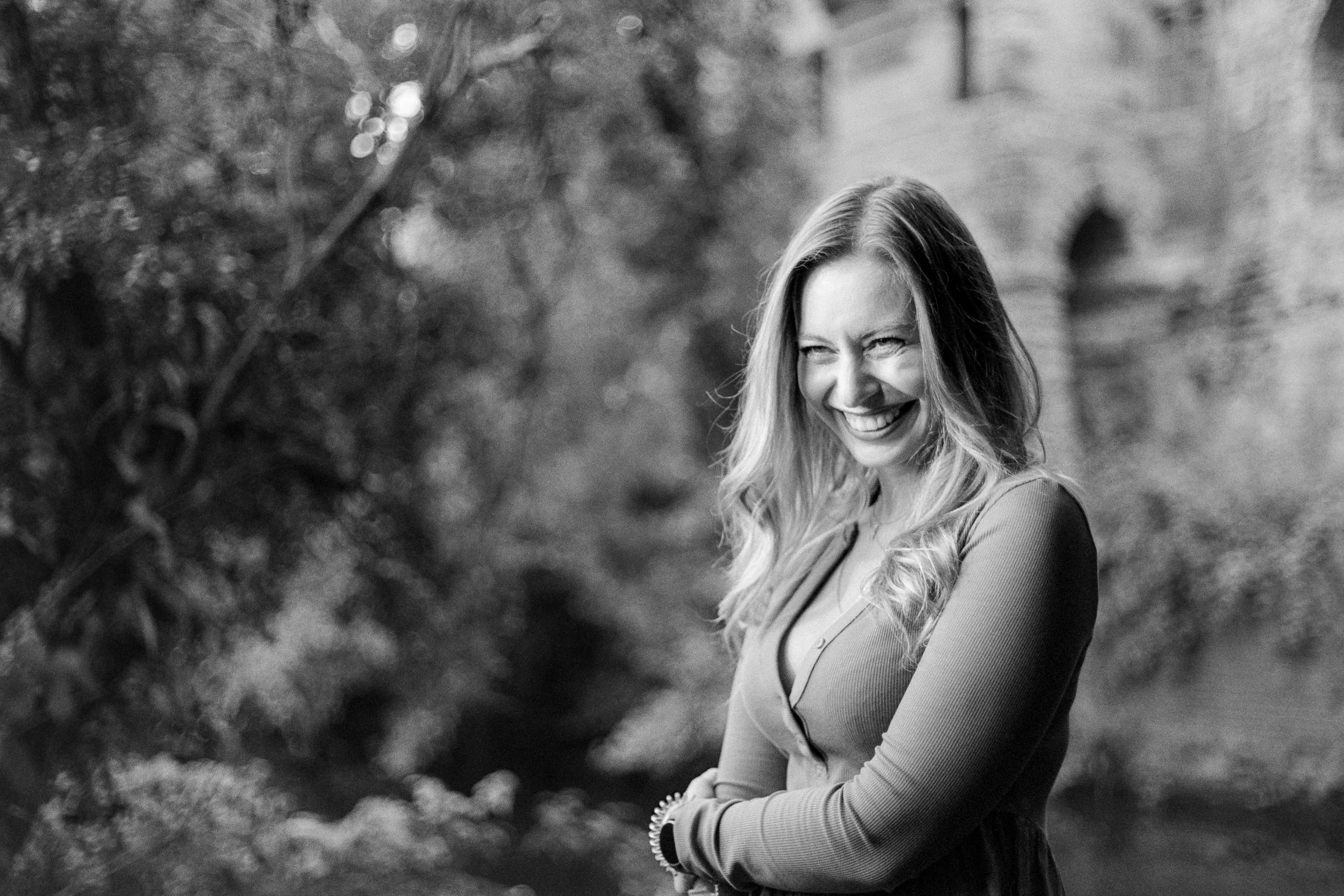
Most people think of portraits as studio headshots under flat lights. Safe, predictable, and forgettable. But a portrait doesn’t have to be like that. At Liquid Light Whisperer, every portrait session is cinematic. On location, I create not just an image, but a scene — a memory made real, captured on film.

Carl Zeiss Jena Pancolar 50mm f/1.8 Zebra Review — A Cinematic Classic with Radioactive Glow
There are vintage lenses you respect for their engineering, and then there are lenses you fall in love with because of how they render the world. The Carl Zeiss Jena Pancolar 50mm f/1.8 Zebra, in its radioactive 8-blade form from the late 1960s, is very much the latter. This is a lens that reminds you why character still matters — whether you’re shooting on film or adapting to digital.
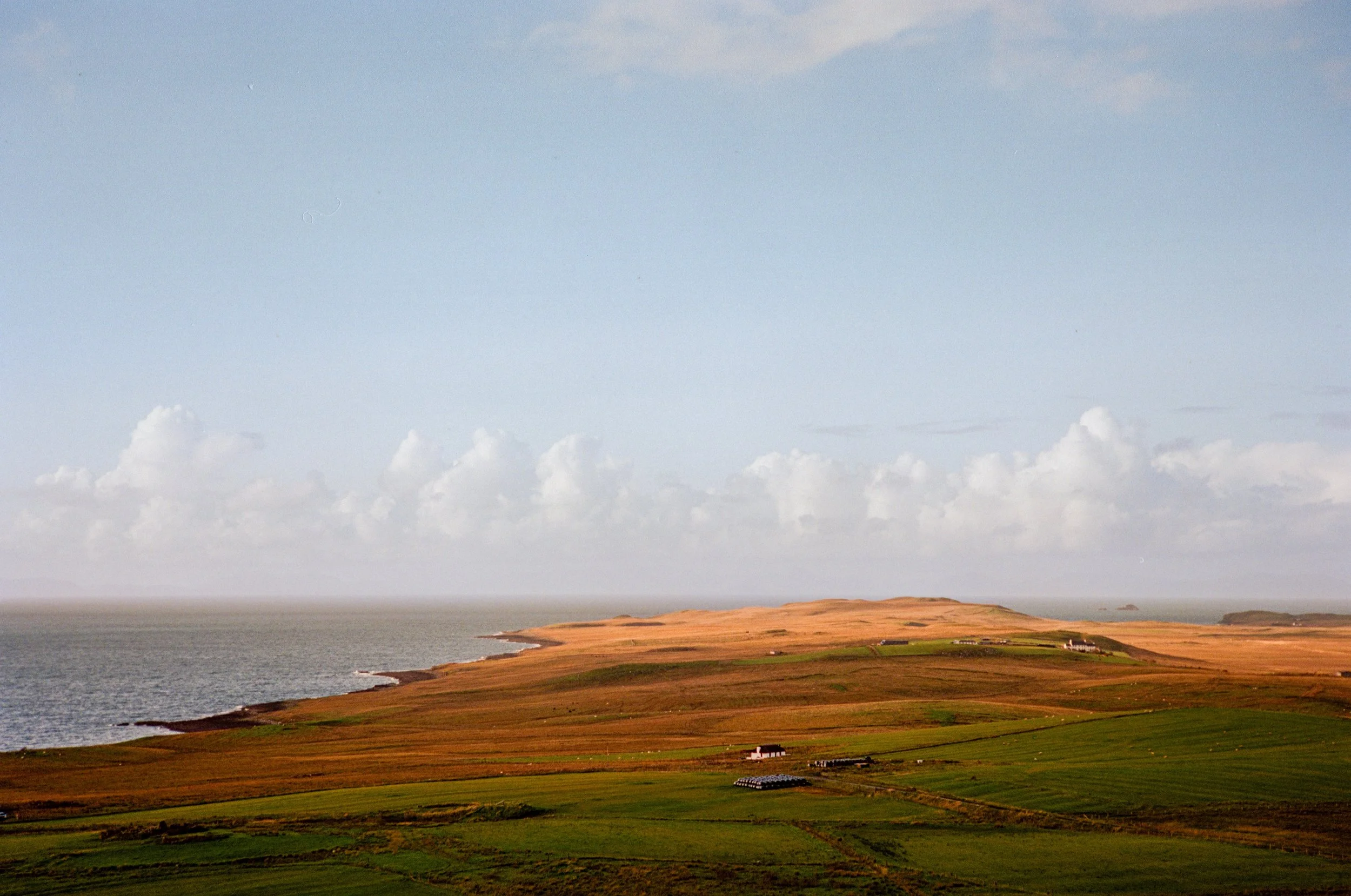
Why Resolution Matters: Getting the Most From Your Film Scans
Why film scan resolution and tonal depth matter, how Liquid Light Chamber differs from Noritsu and Frontier minilab scanners, and why Liquid Light Lab returns stronger 35mm scans for local and UK postal customers.

Why Film Photography Feels Alive in the Digital Era
Digital photography gave us precision, speed, and infinite repetition. It perfected the technical image — but in doing so, it stripped away something that analog never lost: a sense of life.
Film photography endures because it feels different. It slows us down, resists instant gratification, and produces images with texture and presence. In a world of disposable content, film stands out as something alive.