The Cinematic Notebook
The craft behind our portraiture and film development.
How This Notebook Connects to Film Photography and Film Development
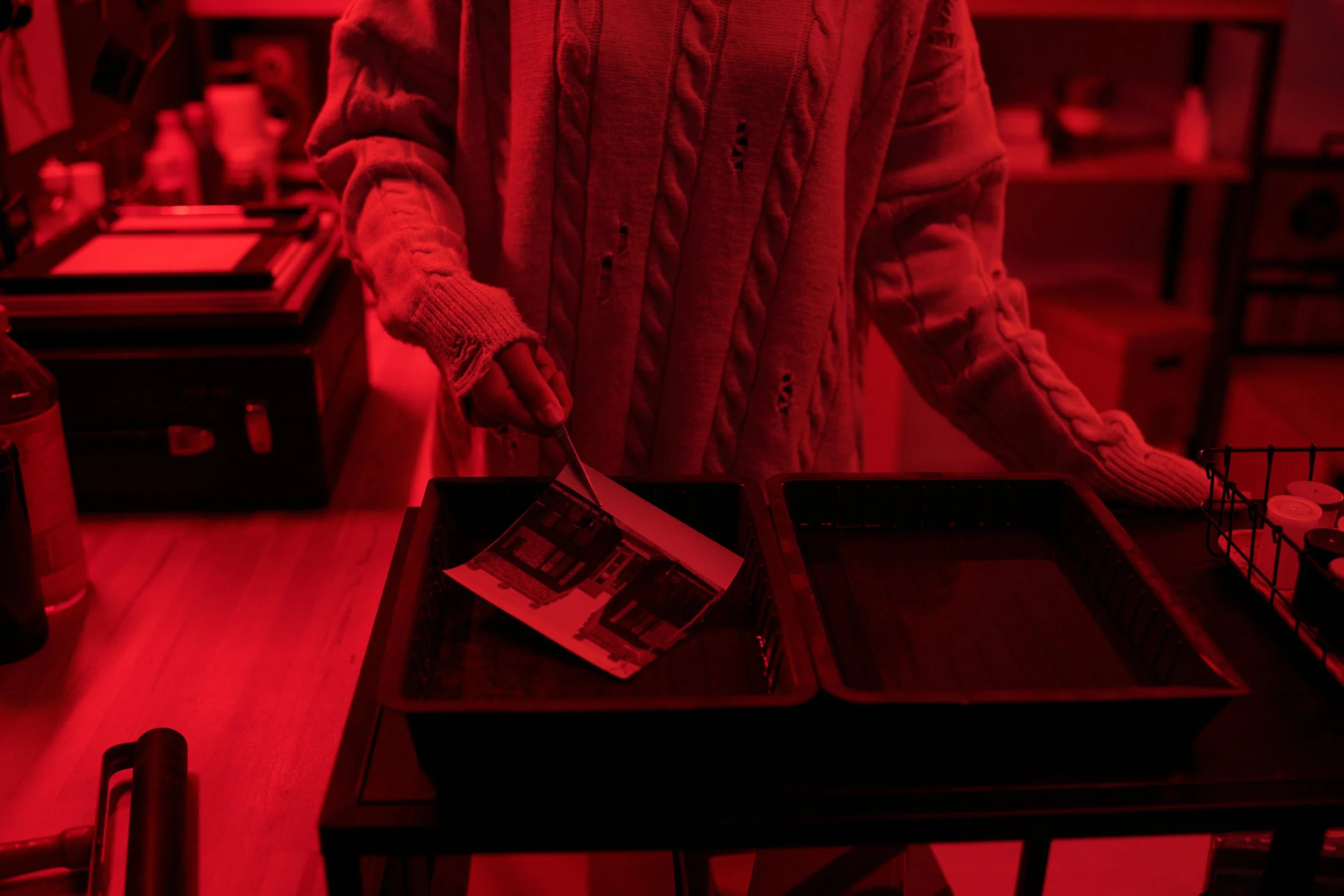
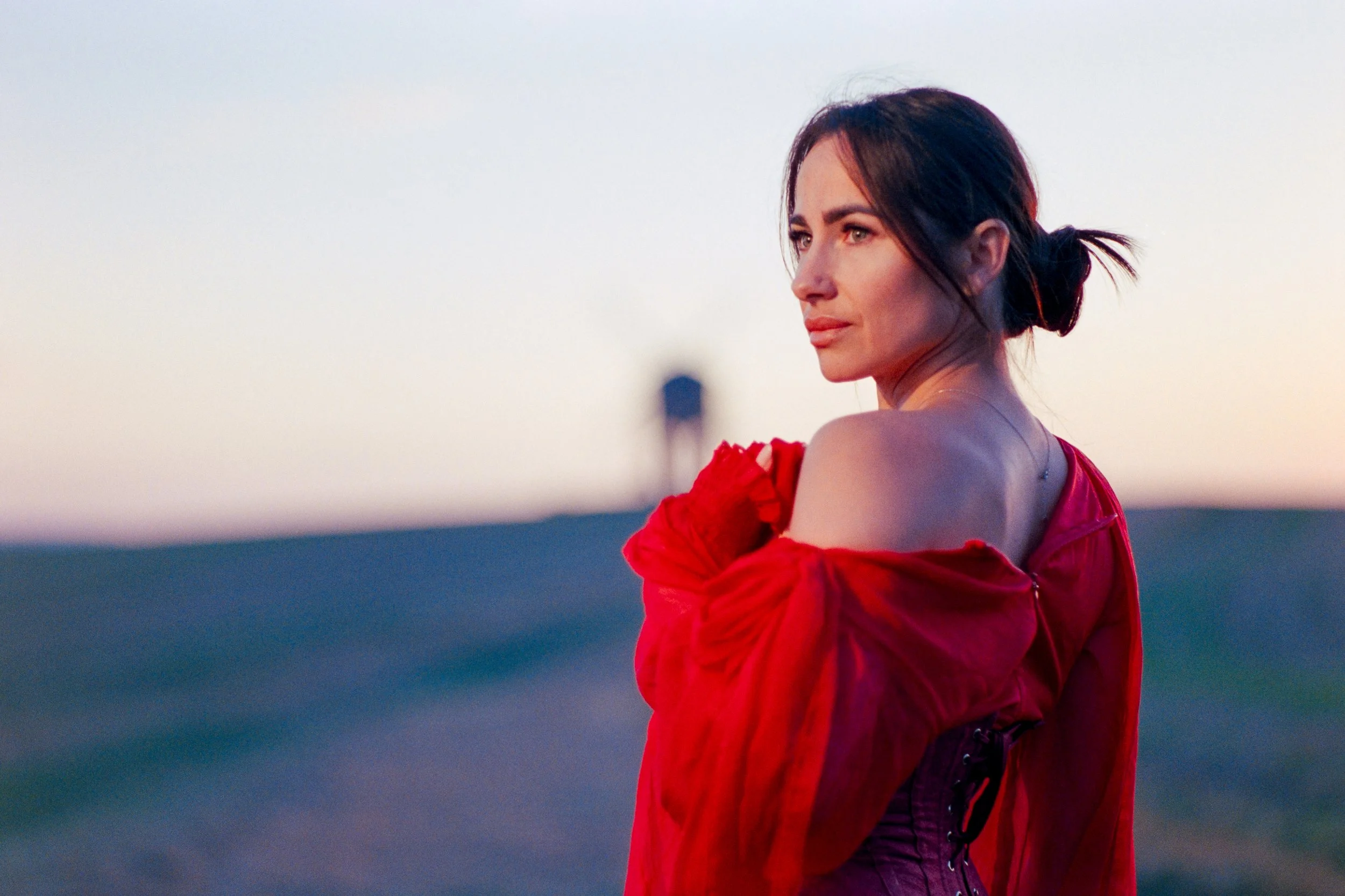
Every article in this archive reflects the full analogue workflow used by Liquid Light Whisperer and Liquid Light Lab — from motivated lighting and optical rendering through to controlled development and high-dynamic-range scanning. The same discipline documented here is applied to commissioned portrait work and to every roll processed in the lab.
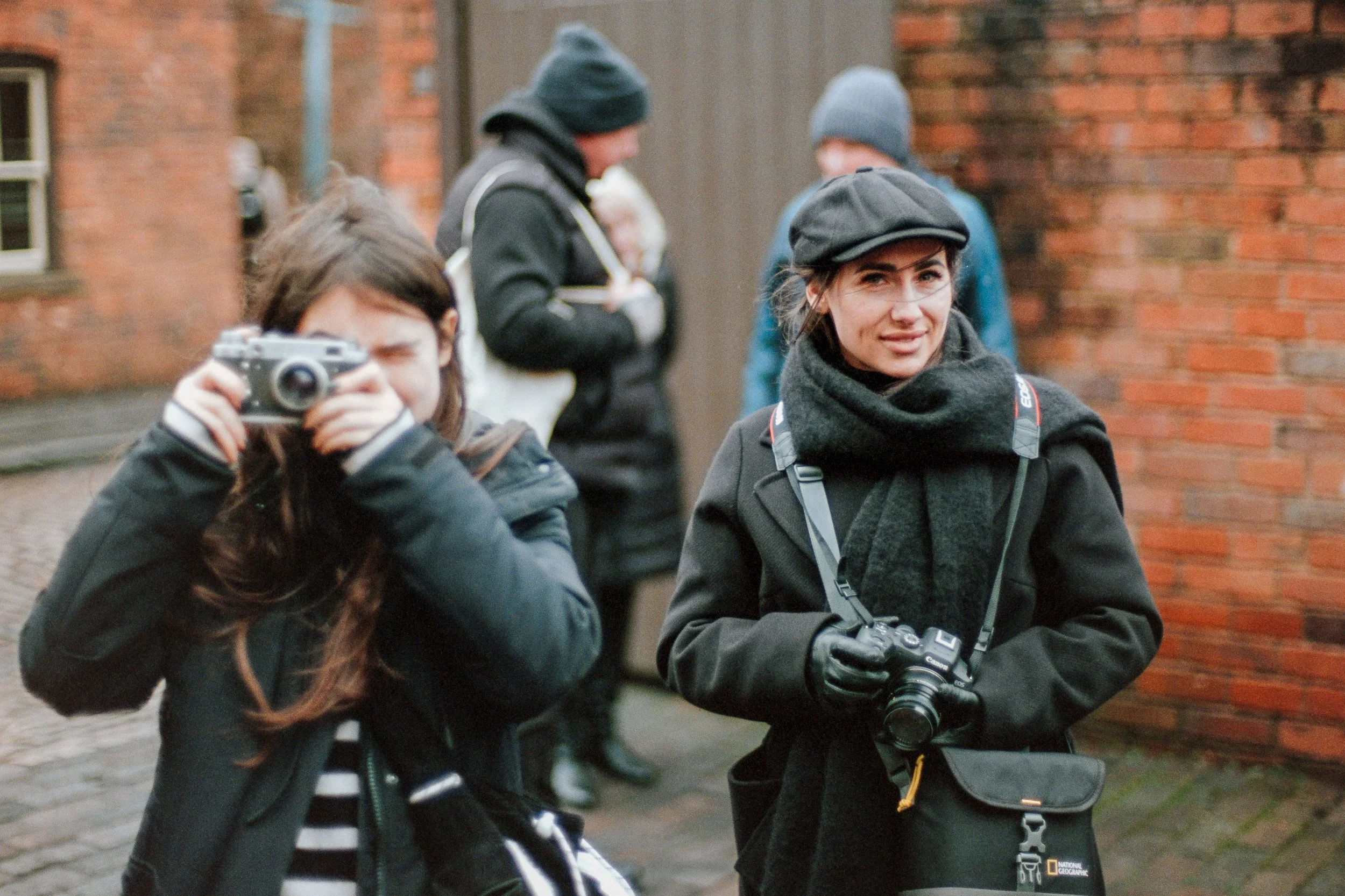
Bath Model Portrait Photowalk with Liquid Light Lab & This is How I Roll Film
Join This is How I Roll Film and Liquid Light Lab in Bath for a two-hour guided 35mm film photowalk with model shooting, tuition, 3 rolls of film, film development and scanning all included.
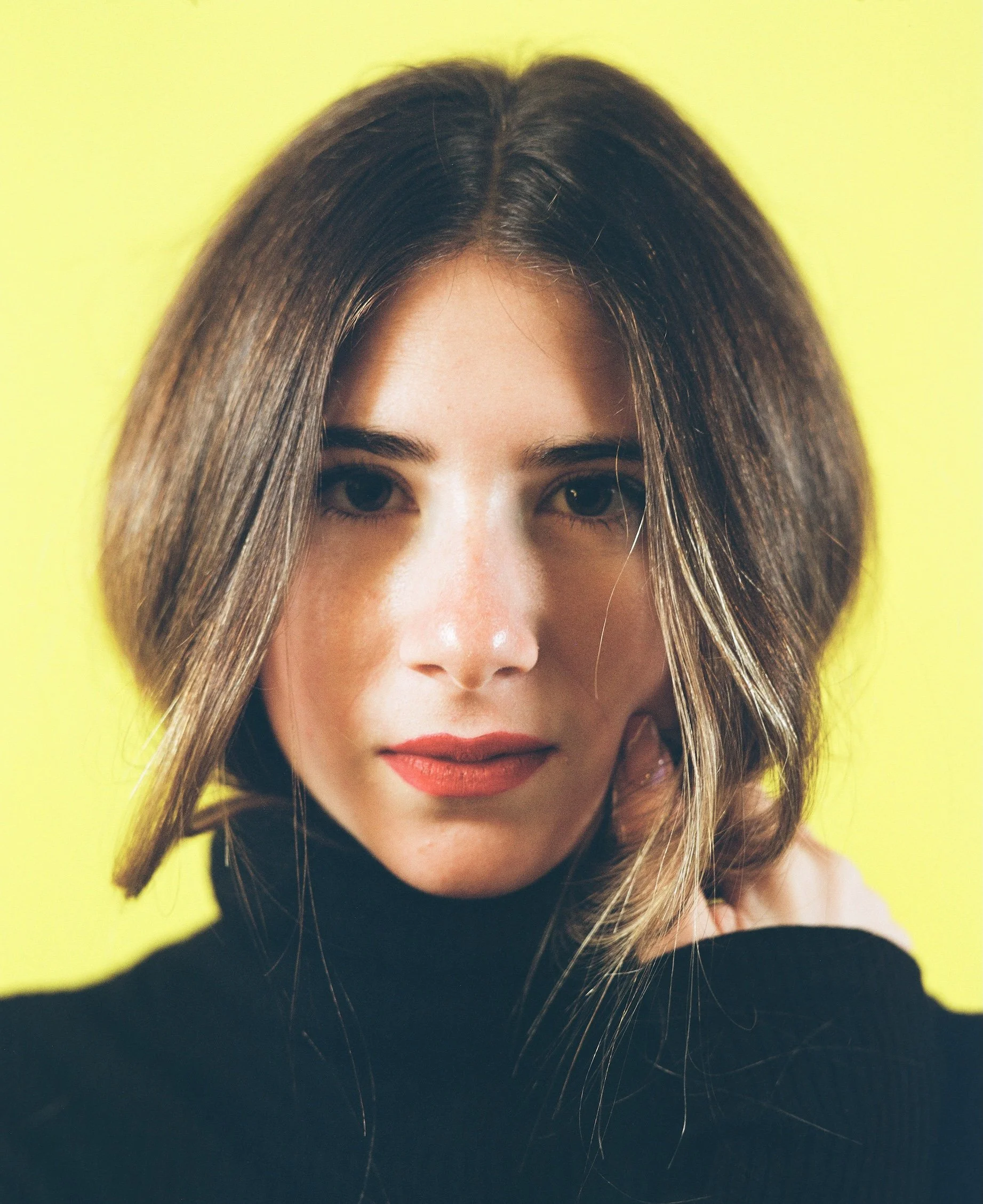
This Is How I Roll Film: Peter on Motion-Picture Stocks, Affordable Film and Getting the Most from ECN-2
Peter Gault from This Is How I Roll Film started from the same place many film photographers found themselves a few years ago: colour film was becoming harder to find, prices were rising, and shooting regularly was starting to feel less accessible. His answer was not simply to sell film, but to build a small independent range around stocks he already used, understood and believed in.
Push and Pull Film Processing Explained
Many photographers assume push and pull decisions only occur inside the camera, but metering differently is only the first half of the process. The exposure placed on the film creates the latent image, and then the lab determines whether that image becomes fully usable or collapses in the extremes. Rating Portra 400 at 1600, for example, under-exposes the film by two stops. The film does not become a 1600-speed stock; it simply receives less light. The tonal behaviour associated with pushing—deeper shadows, higher contrast, more pronounced grain—emerges in development, not at the moment of exposure. Pulling works the same way. Over-exposing the film provides additional highlight information, but only reduced development time preserves that latitude. Push and pull are therefore collaborative acts: the photographer controls exposure, and the lab controls interpretation.

Hellraiser Actor, Simon Bamford — A Portrait Session on Real Film
Across theatre, film, and television, Simon Bamford has built a career grounded in precision and physical awareness. Audiences know him first through the enduring imagery of Hellraiser and Nightbreed — roles that made him a figure within the language of British cult cinema — yet his roots are theatrical. Trained for the stage, his work is defined by an understanding of stillness: the ability to hold attention through exact posture and measured timing. That quality is rare; it cannot be taught quickly, and it photographs differently from performance designed for the screen.

Black and White Photography as Living Memory
For years, I thought colour was the best way to preserve memories. It felt modern, vivid, and real — the perfect match for the moments I wanted to hold on to. But colour doesn’t last the way we imagine.
Prints fade, slides shift, and digital colour grades fall out of fashion. What looked stylish a few years ago now feels dated. Even today’s digital RAW edits tied to popular “film look” presets eventually reveal themselves as fads.
Black and white is different.