The Cinematic Notebook
The craft behind our portraiture and film development.
How This Notebook Connects to Film Photography and Film Development
Every article in this archive reflects the full analogue workflow used by Liquid Light Whisperer and Liquid Light Lab — from motivated lighting and optical rendering through to controlled development and high-dynamic-range scanning. The same discipline documented here is applied to commissioned portrait work and to every roll processed in the lab.
Candido Film in the Studio: ECN-2 Development, Exposure Index and Noir Lighting in Practice
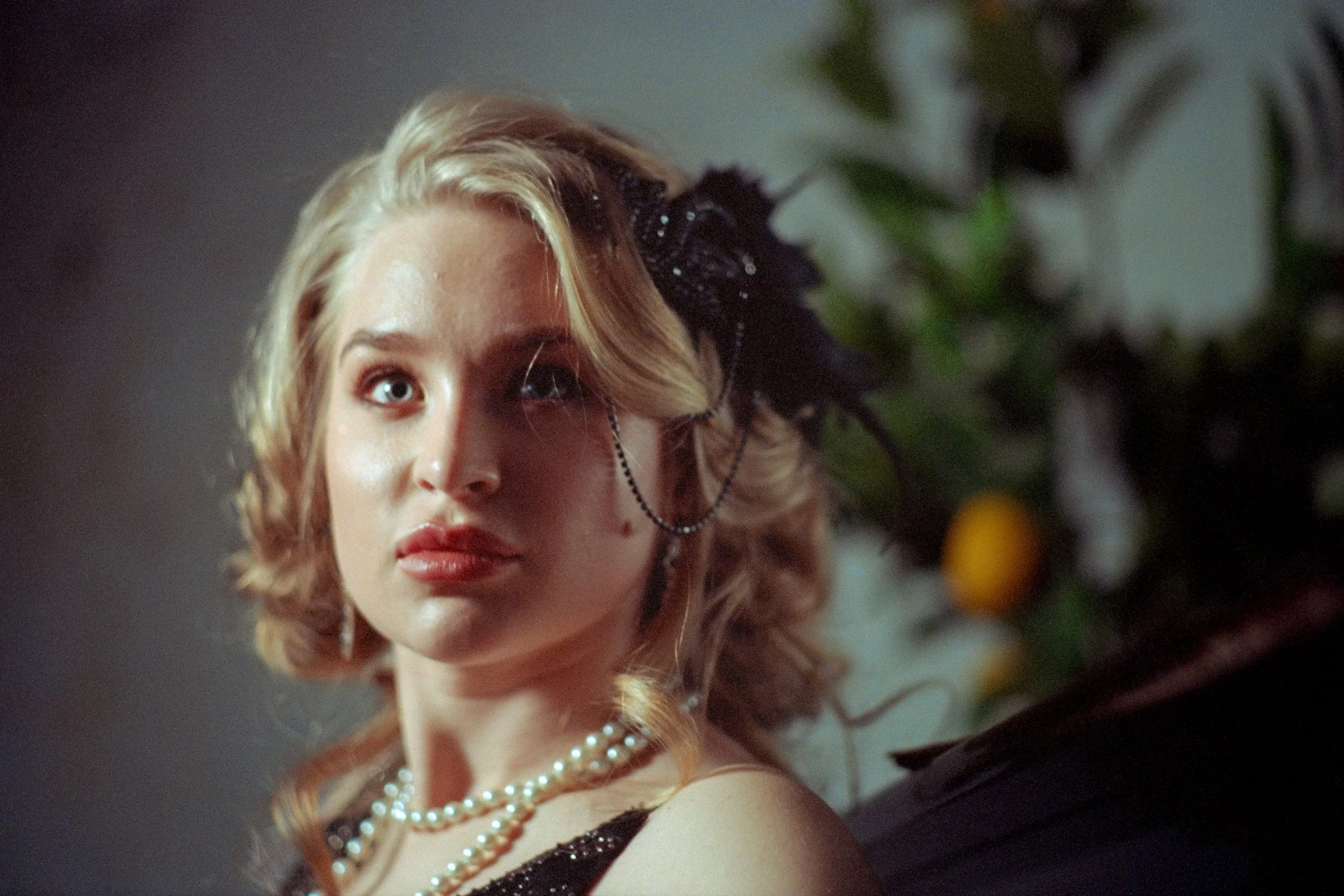
I recently did a professional studio session produced in collaboration with Candido Collective, with Nadia Dutchak modelling and hair and make-up by Iryna Pasechnik. The objective was was to demonstrate how motion picture film behaves when exposure index, lighting structure, development chemistry and scanning are treated as one continuous workflow.
Full-Stack Film Photography Workflow: How Cinematic Film Photographs Are Made End-to-End
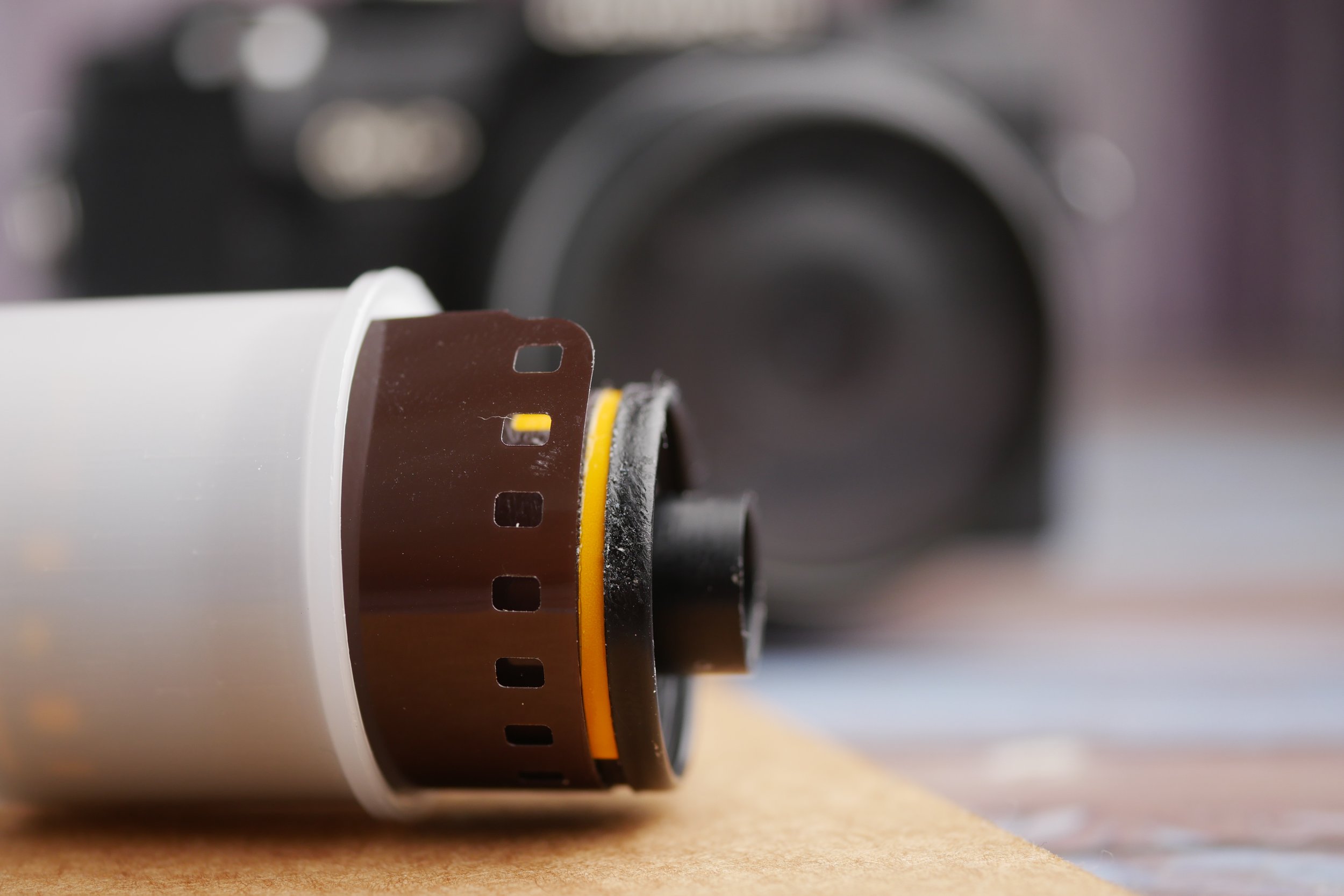
This article explains how a full-stack film photography workflow operates in practice, why each stage matters, and how lighting, optics, film, chemistry, and scanning function together as a single authored process.
Within this workflow, a photograph is not considered finished at the moment of exposure. Exposure is one stage in a longer chain that begins with lighting intent and ends with density-accurate translation of the negative. Each decision is made with knowledge of what follows. Nothing is isolated, outsourced, or treated as a corrective safety net. The image is constructed deliberately from first constraint to final output.
Why Analogue Portrait, Wedding, and Event Studios Are Rare in the UK: Infrastructure, Craft, and the Global Landscape
Analogue film photography is a working professional medium in cities such as Los Angeles, Berlin, Tokyo, and New York. Portrait studios, wedding photographers, and event specialists in those places continue to work on film because the infrastructure that supports analogue workflows never disappeared. Labs stayed open, cinematographers kept shooting on film, universities continued teaching it, and creative industries carried on commissioning it as part of their normal practice. Film remained part of the working vocabulary rather than becoming a curiosity. I’ve worked throughout the UK, USA and Europe over the decades, and since the late 1990’s the differences have grown between countries and continents for very different reasons.

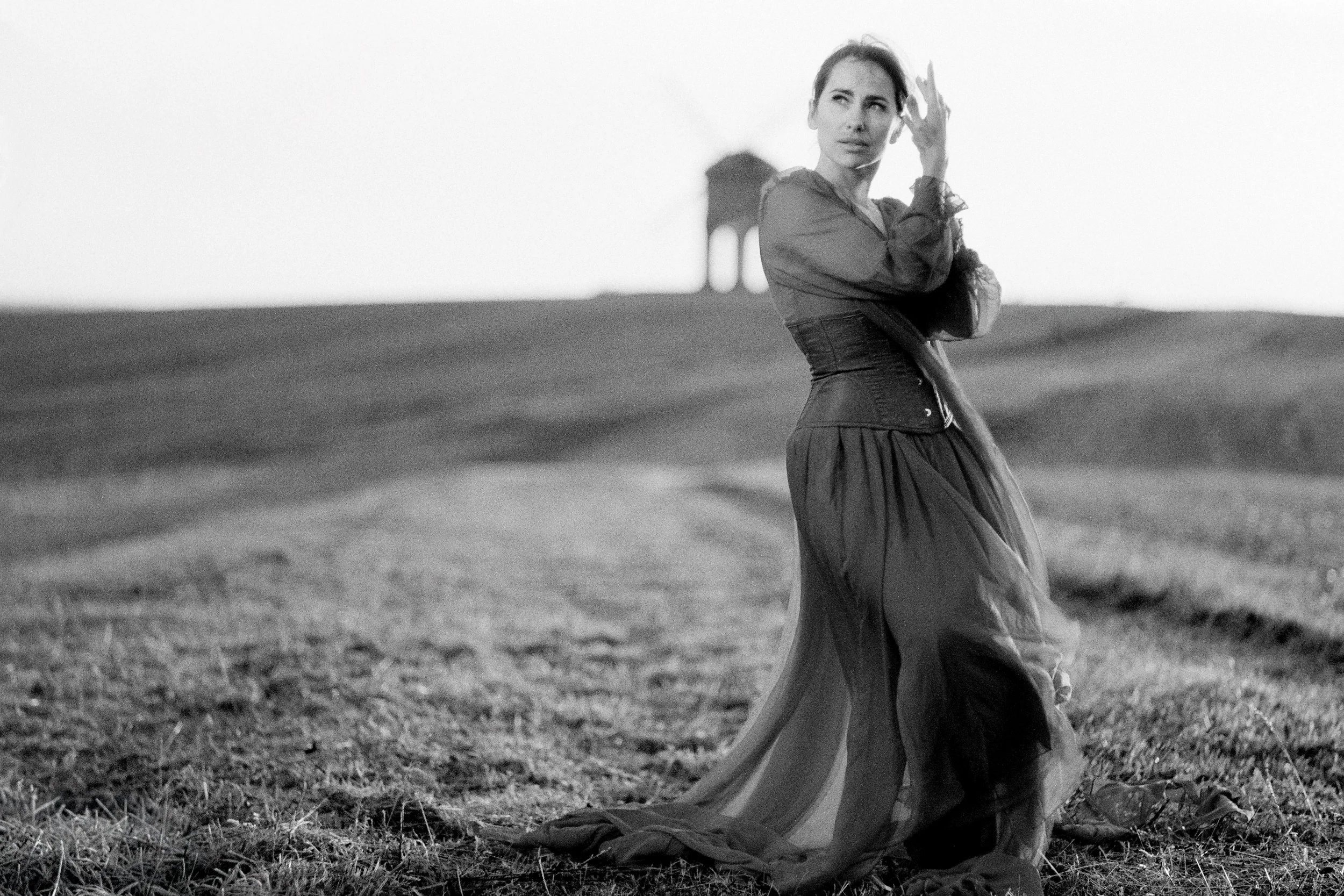
Portrait Photographer in Leamington Spa | Chesterton Windmill Session
Chesterton Windmill is a setting that behaves almost like a stage. It stands alone above Leamington Spa, a solitary architectural structure surrounded by uninterrupted landscape, and this isolation gives it a rare cinematic profile. For portrait photographers working across Warwickshire, the West Midlands and the Cotswolds, it is one of the few local landmarks that retains a sense of timelessness — and at sunset, it becomes even more atmospheric. For this portrait session with Olga, the rhythm of the falling sun controlled everything. Forty-five minutes from start to finish meant two rolls of film, no resets, no time to revise angles, and no spare exposures. Everything had to be prepared, executed and adapted fast.

Hellraiser Actor, Simon Bamford — A Portrait Session on Real Film
Across theatre, film, and television, Simon Bamford has built a career grounded in precision and physical awareness. Audiences know him first through the enduring imagery of Hellraiser and Nightbreed — roles that made him a figure within the language of British cult cinema — yet his roots are theatrical. Trained for the stage, his work is defined by an understanding of stillness: the ability to hold attention through exact posture and measured timing. That quality is rare; it cannot be taught quickly, and it photographs differently from performance designed for the screen.

Why Real Film Photography Is the Only True Heirloom in the Age of AI
There was a time when photography meant one simple thing: light recorded on a physical surface. Every image was a direct imprint of the world — photons hitting emulsion, a moment translated into chemistry. Today, photography exists in a different landscape. We live in an era of filters, machine learning, and algorithms that can fabricate faces, landscapes, and entire realities that never existed. In a feed full of digital illusion, a true photograph — one that exists as a tangible artifact — has become something more than nostalgic. It has become proof.

Newborn on Real Film: A Three-Week Story in Light
It’s a beautiful thing when someone trusts me to photograph their newborn. These aren’t just pictures — they’re the first memories of a life just beginning. One day, this little girl will show these portraits to her own children and grandchildren. They’ll see the faces of their ancestors, the hands that first held their mother and grandmother, and the beginning of their family story.
Why Choose Liquid Light Whisperer for Portrait Photography in Leamington Spa and Warwickshire
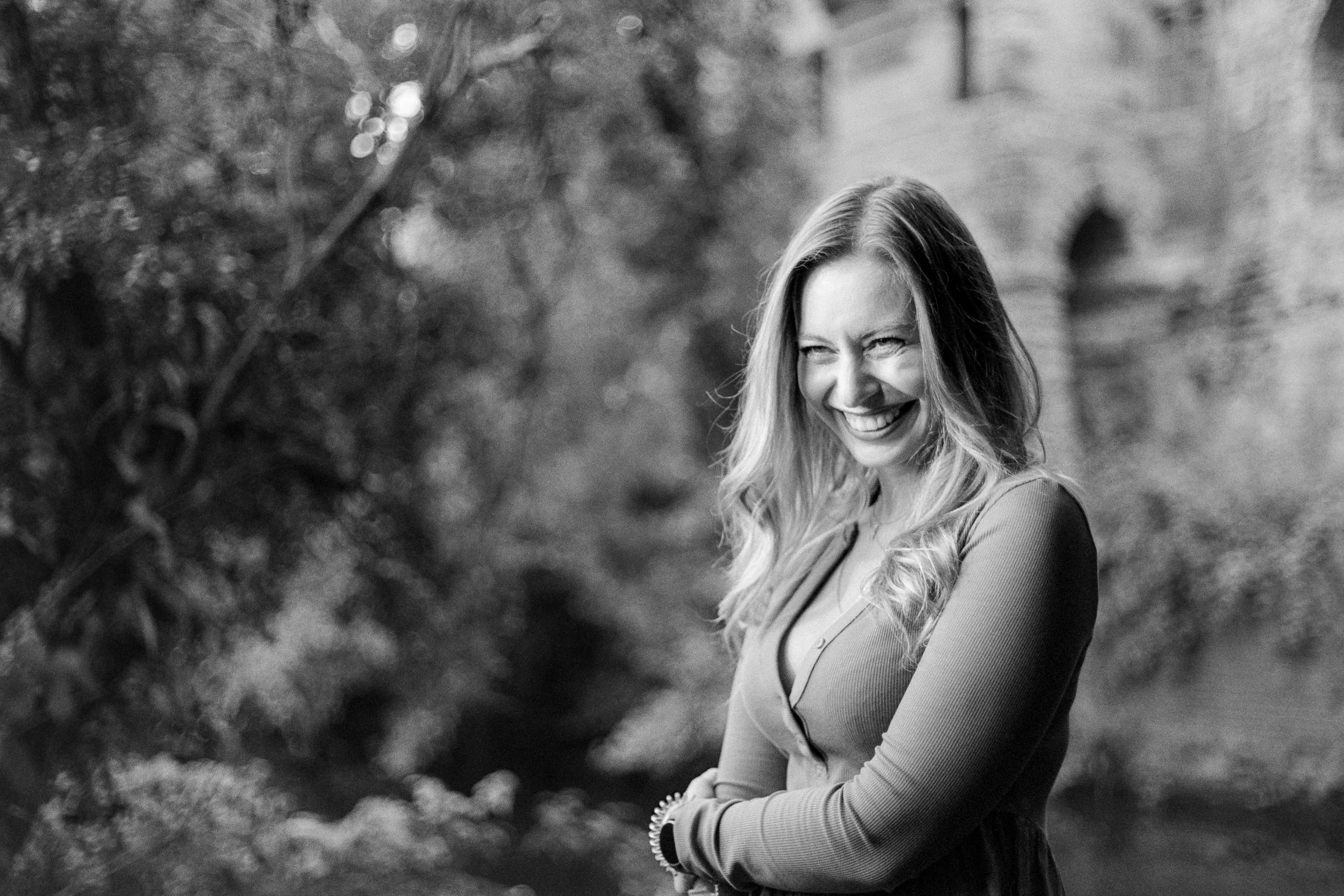
Most people think of portraits as studio headshots under flat lights. Safe, predictable, and forgettable. But a portrait doesn’t have to be like that. At Liquid Light Whisperer, every portrait session is cinematic. On location, I create not just an image, but a scene — a memory made real, captured on film.
Film Portrait Photography in Warwickshire
In today’s world, it’s easy to confuse digital editing with photography. Scroll through social media and you’ll see endless images smoothed, graded, and altered until the original moment is barely recognisable. That isn’t photography — it’s post-production. It’s editing.

Black and White Photography as Living Memory
For years, I thought colour was the best way to preserve memories. It felt modern, vivid, and real — the perfect match for the moments I wanted to hold on to. But colour doesn’t last the way we imagine.
Prints fade, slides shift, and digital colour grades fall out of fashion. What looked stylish a few years ago now feels dated. Even today’s digital RAW edits tied to popular “film look” presets eventually reveal themselves as fads.
Black and white is different.
Working with Models on Film – Setting Expectations
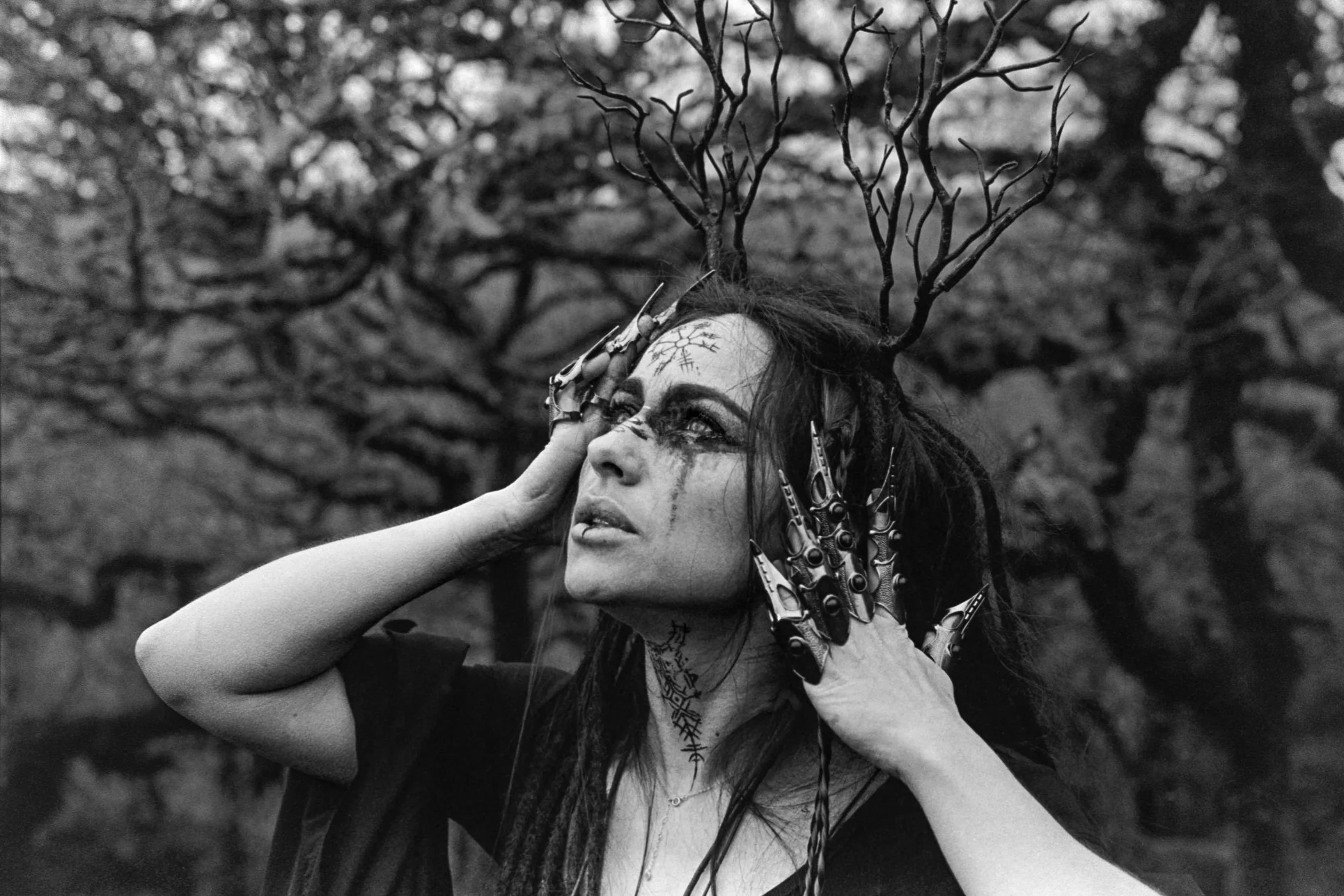
Shooting with film doesn’t just change how a photographer works — it changes how a model experiences the shoot. For someone used to digital cameras firing hundreds of frames a minute, the film process feels different: slower, more deliberate, sometimes even unnerving at first.
That’s why setting expectations is crucial. When a model understands what film brings — the rhythm, the limitations, the rituals — it transforms the session from uncertainty into collaboration. At Liquid Light Whisperer, this conversation happens before the first roll is loaded, because trust is as important as light.
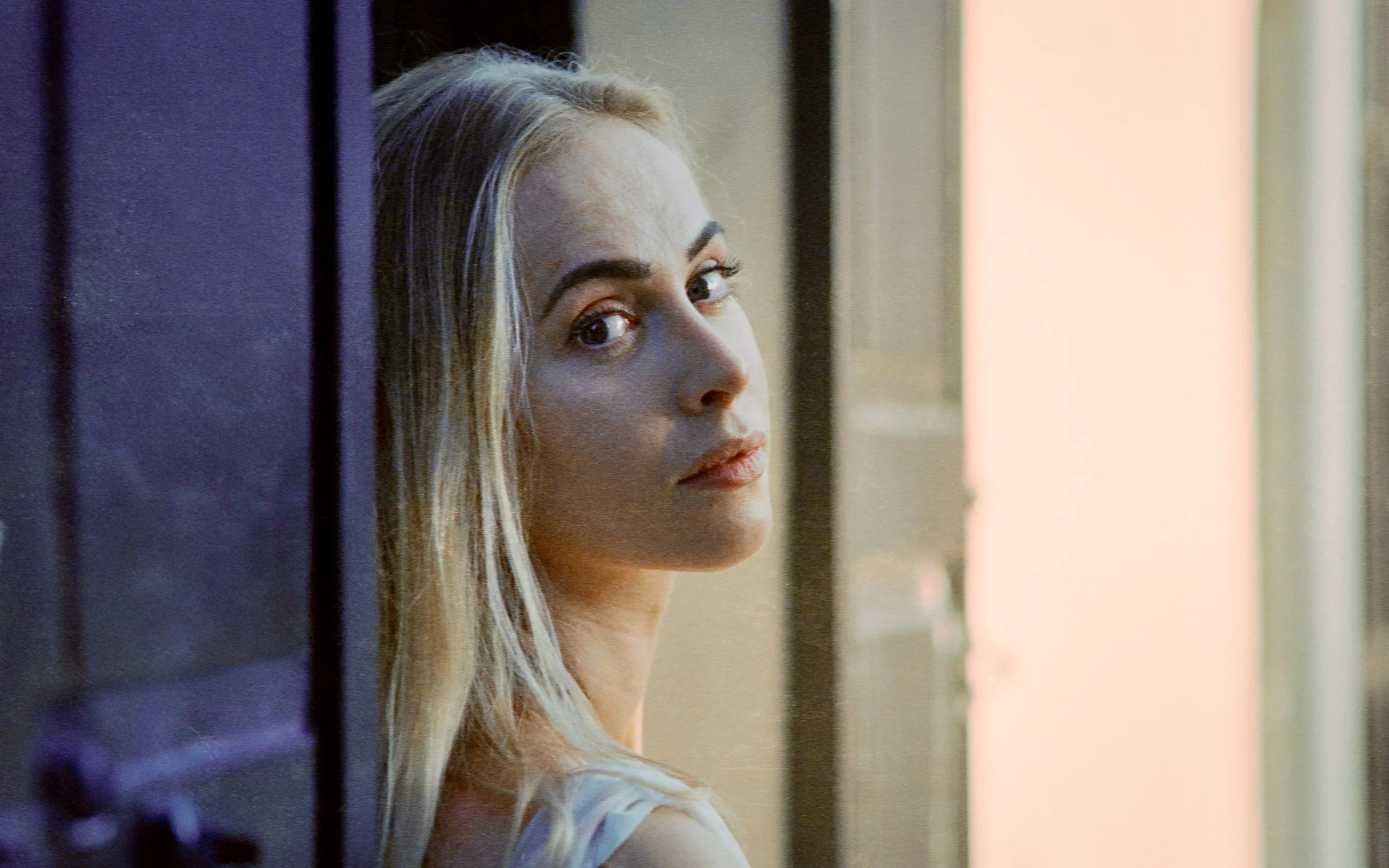
Lenses that Render Light Uniquely – Vintage Glass Magic
Where modern optics are designed to correct, suppress, and polish, older lenses allow light to express itself in ways that feel alive. The edges aren’t always sharp. The coatings flare in unpredictable halos. The bokeh swirls or doubles or melts away entirely. What many engineers considered flaws, photographers now treat as signatures — fingerprints left by history on light itself.
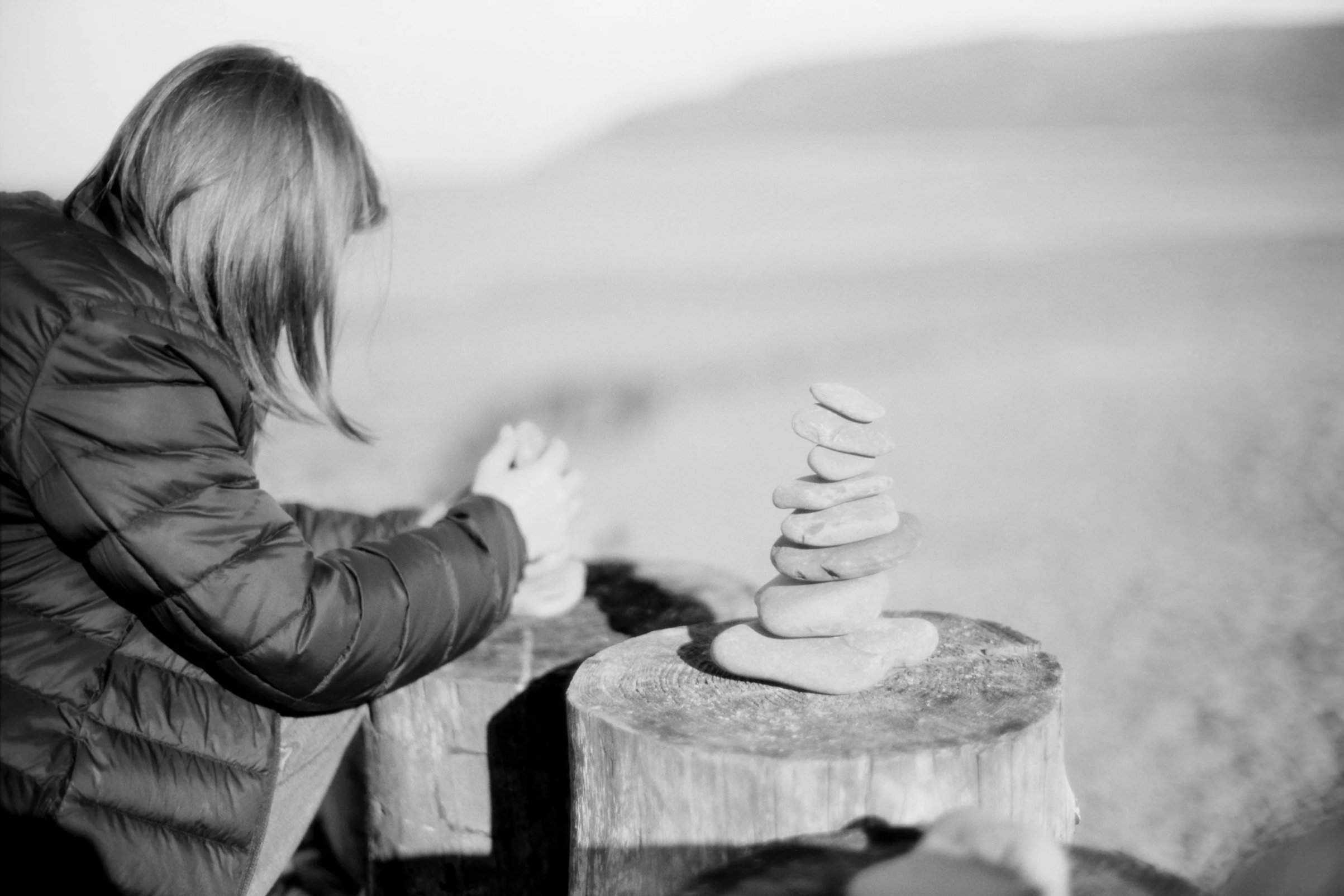
Analogue as Memory – Why Negatives Outlast the Cloud
When an image is exposed on film, it isn’t yet a photograph. It lives invisibly in the emulsion, suspended between existence and nothingness — a latent ghost of light. At this stage it can still be erased, fogged, or lost entirely, but it is there, waiting. Only when it meets developer does it reveal itself, and only when it meets fixer is it frozen forever. That alchemy — the moment when something ephemeral becomes permanent — is what makes film different. Memory doesn’t just appear; it is conjured, stabilised, and preserved.

A Timeless Developer for Modern Eyes: 510 Pyro Review
Pyro-based developers have a rich history dating back to the very origins of photography in the 1830s. Early photographic pioneers in England—including William Henry Fox Talbot—experimented with gallic acid and its derivatives, such as pyrogallol (the chemical foundation of pyro developers).

A Film Photography Adventure with Craig Sheffer
Every great journey begins with a spark. In this case, it started as a simple phone call: Craig Sheffer—star of A River Runs Through It, directed by Robert Redford and co-starring Brad Pitt—invited me on a road trip to commemorate the film’s 30th anniversary.