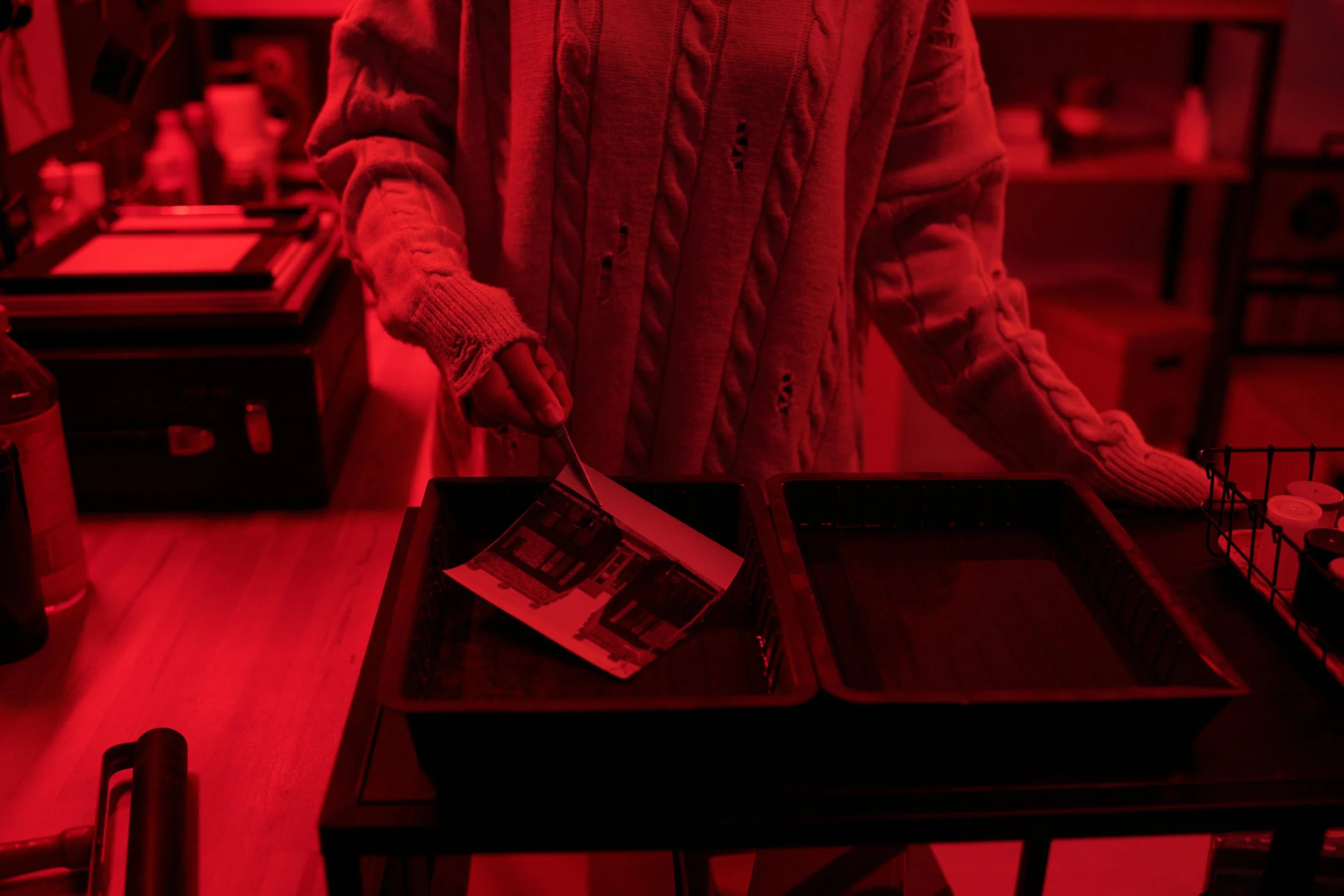
The Cinematic Notebook
The craft behind our portraiture and film development.
How This Notebook Connects to Film Photography and Film Development
Every article in this archive reflects the full analogue workflow used by Liquid Light Whisperer and Liquid Light Lab — from motivated lighting and optical rendering through to controlled development and high-dynamic-range scanning. The same discipline documented here is applied to commissioned portrait work and to every roll processed in the lab.

This Is How I Roll Film: Peter on Motion-Picture Stocks, Affordable Film and Getting the Most from ECN-2
Peter Gault from This Is How I Roll Film started from the same place many film photographers found themselves a few years ago: colour film was becoming harder to find, prices were rising, and shooting regularly was starting to feel less accessible. His answer was not simply to sell film, but to build a small independent range around stocks he already used, understood and believed in.
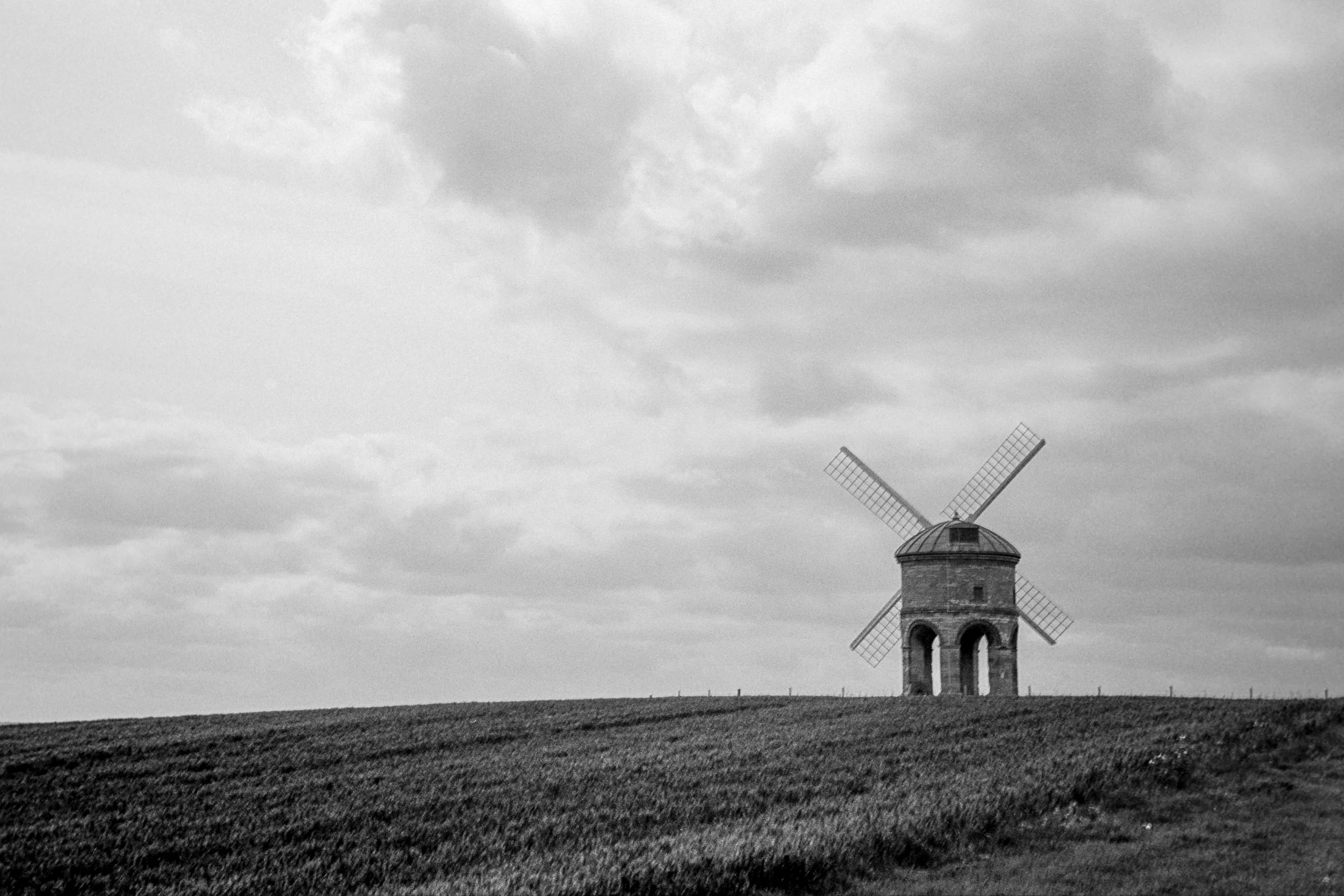
Can Kodak VISION3 Film Be Developed in Black and White?
Kodak VISION3 is usually discussed as a colour motion picture stock, but AHU VISION3 films also open up another serious route: black and white development. That matters for photographers shooting Candido, CineStill and other VISION3-based films who want more from the stock than a standard colour workflow.
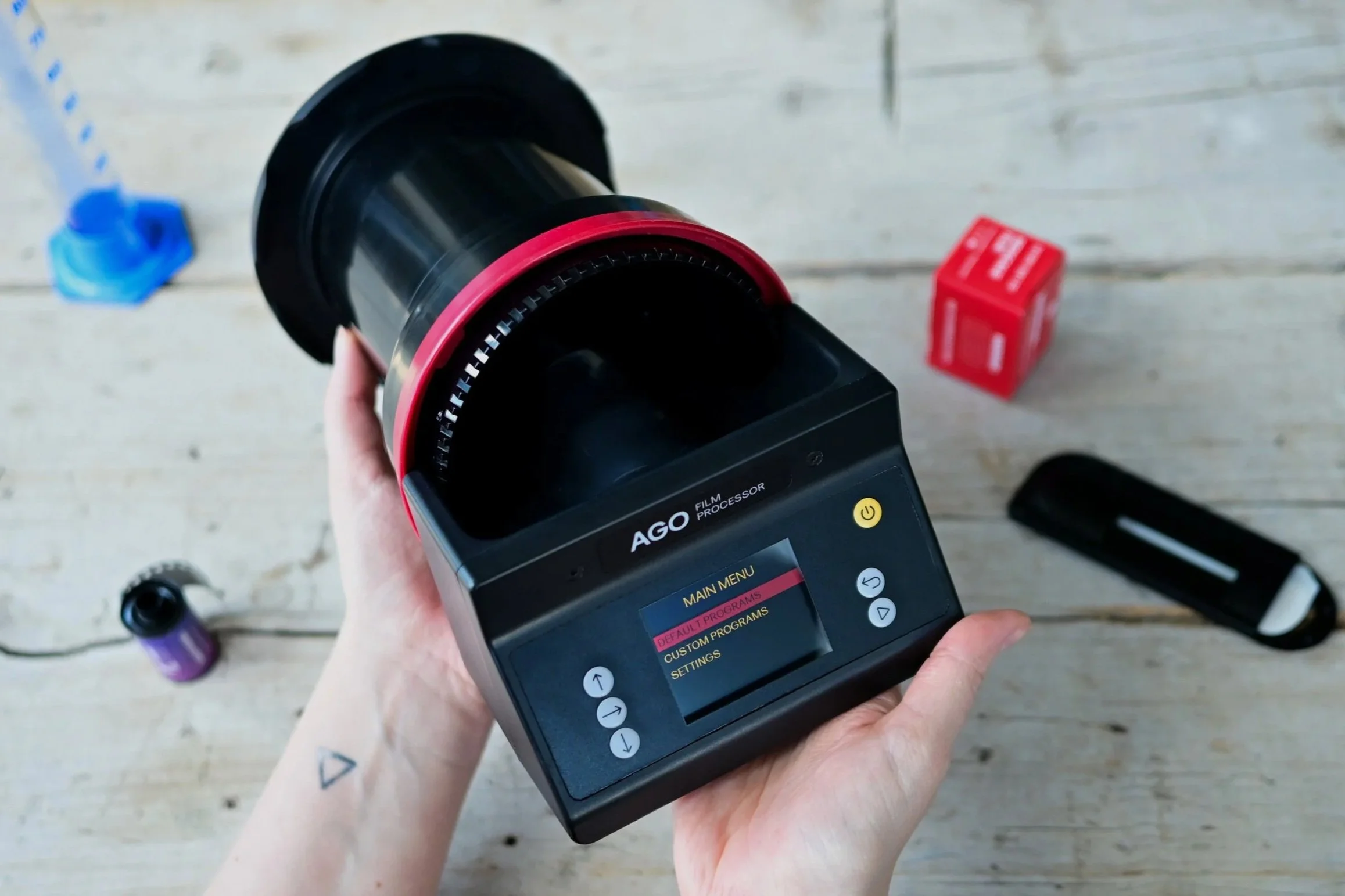
Revisiting the AGO Film Processor — Long-Term Use, Travel Work, and Field Reliability
After publishing my original review, the AGO Film Processor quietly crossed an important threshold for me: it stopped being a capable home-development solution for family photographs and became my default processor for location work. That shift only happens when a tool proves itself repeatedly under pressure, away from controlled conditions, with real deadlines attached. Over the past months the AGO has travelled with me across Dartmoor, Yorkshire, Exmoor, North Wales and Scotland on a series of commissioned shoots where turnaround time, consistency and self-reliance mattered more than convenience.
C-41 and ECN-2 Are Not Alternatives
The most persistent misunderstanding around C-41 and ECN-2 is the idea that they compete with one another. They do not.
C-41 and ECN-2 are not two routes to the same outcome. They are two fundamentally different photographic systems built to solve different problems. Treating one as a substitute for the other leads to disappointment not because either system fails, but because the wrong assumptions are applied.
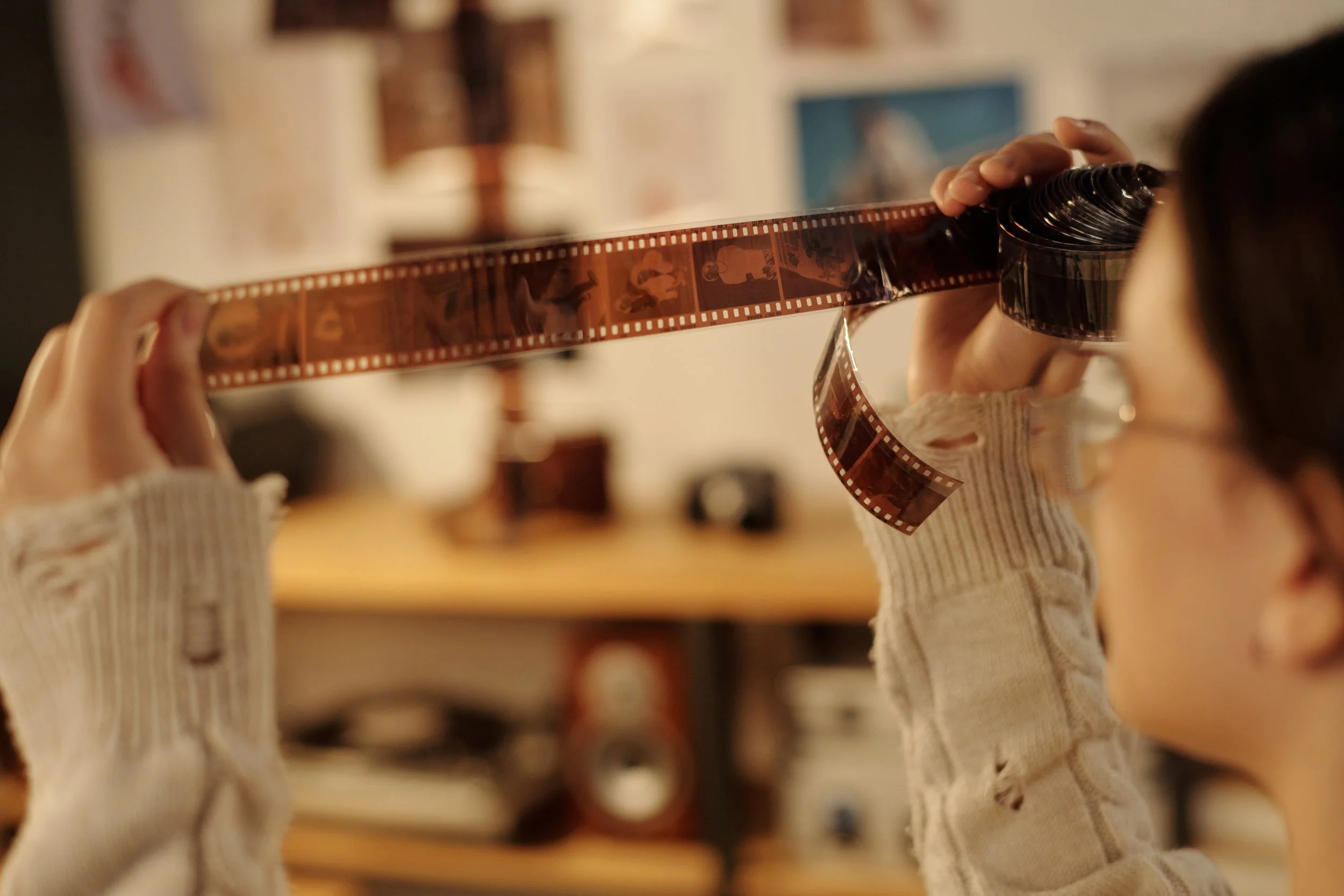
Why Shoot ECN-2 Film Instead of C-41
The correct question is not whether ECN-2 looks better than C-41. The correct question is why a photographer would choose a negative that deliberately withholds contrast and colour decisions, and what that choice enables.
ECN-2 does not reward unstructured use. It rewards intention. Photographers who choose it are not looking for chemistry to compensate for lighting or exposure decisions. They are choosing a system that assumes those decisions have already been made deliberately.
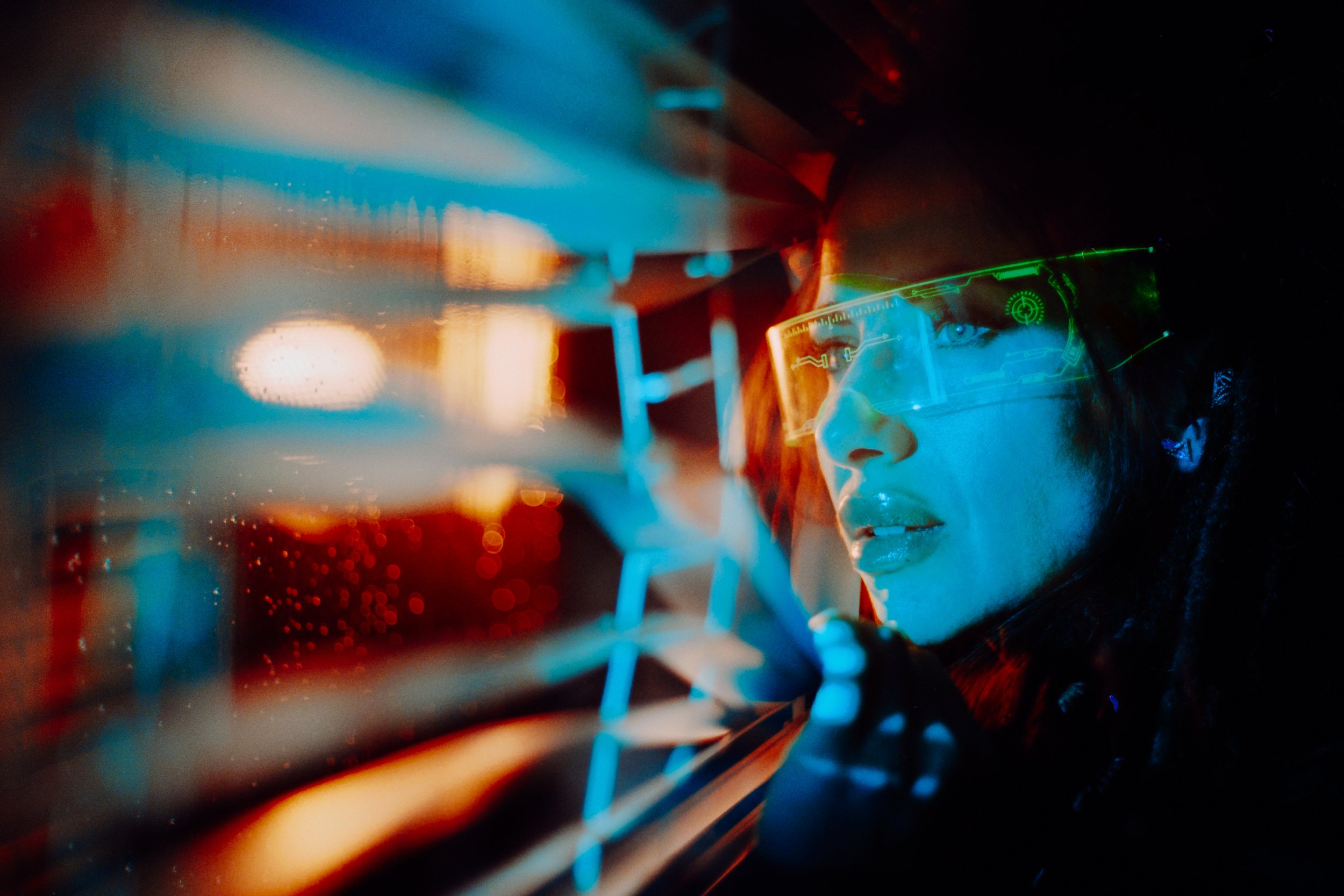
Chiaroscuro, Part III: Control, Containment, and the Discipline of Light
Once a lighting ratio has been established, the greatest threat to chiaroscuro is not the key light itself, but everything that happens around it. Spill, uncontrolled bounce, secondary reflections, and environmental lift can quietly erode contrast and flatten structure, particularly in confined or visually complex spaces. Cinematographic lighting does not solve these problems by adding more illumination. It solves them by shaping, subtracting, and containing the light that already exists.
This article examines how chiaroscuro is maintained when the environment becomes part of the challenge rather than a neutral backdrop, using a constructed interior night scene at the Liquid Light studio as a working case study.
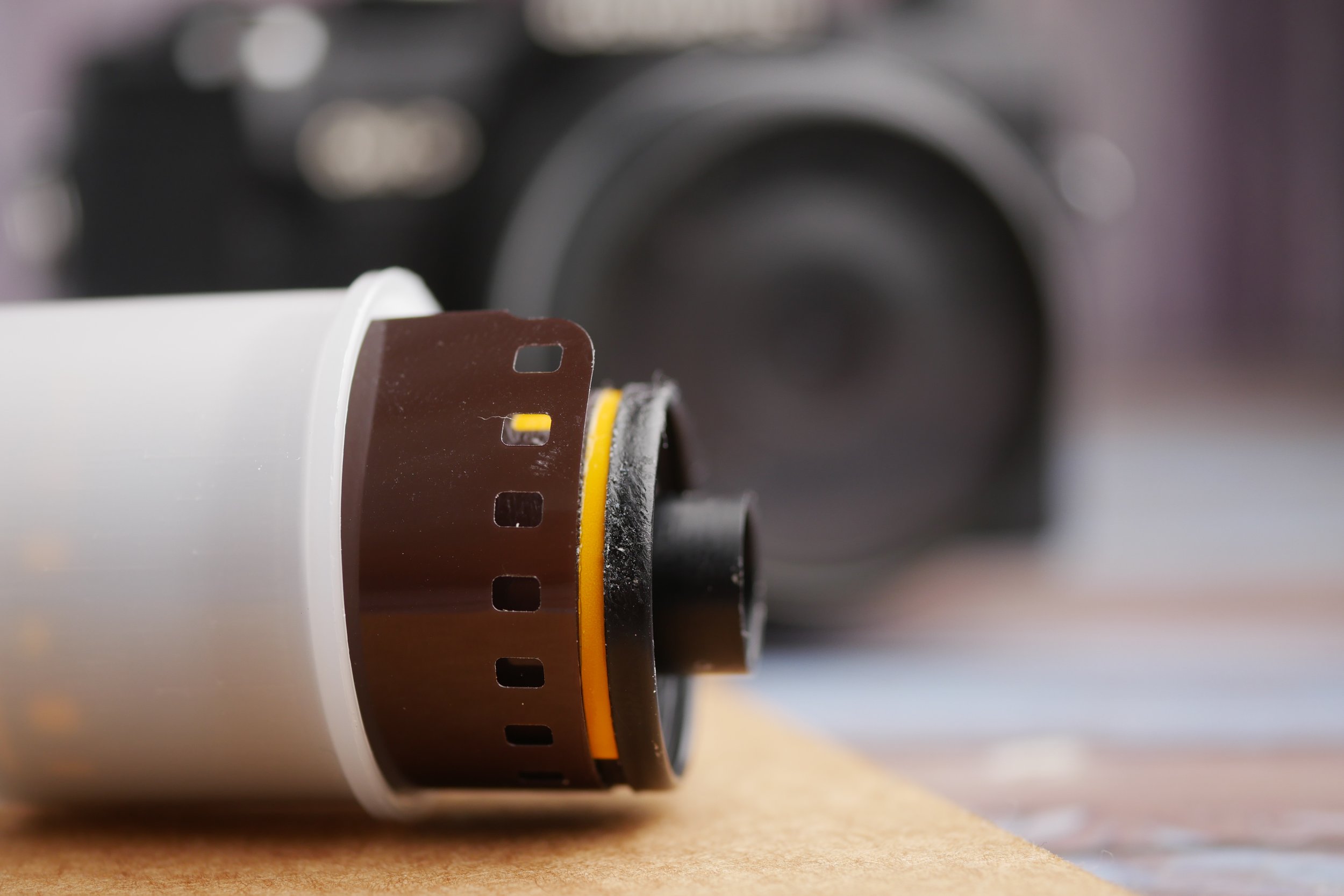
Full-Stack Film Photography Workflow: How Cinematic Film Photographs Are Made End-to-End
This article explains how a full-stack film photography workflow operates in practice, why each stage matters, and how lighting, optics, film, chemistry, and scanning function together as a single authored process.
Within this workflow, a photograph is not considered finished at the moment of exposure. Exposure is one stage in a longer chain that begins with lighting intent and ends with density-accurate translation of the negative. Each decision is made with knowledge of what follows. Nothing is isolated, outsourced, or treated as a corrective safety net. The image is constructed deliberately from first constraint to final output.
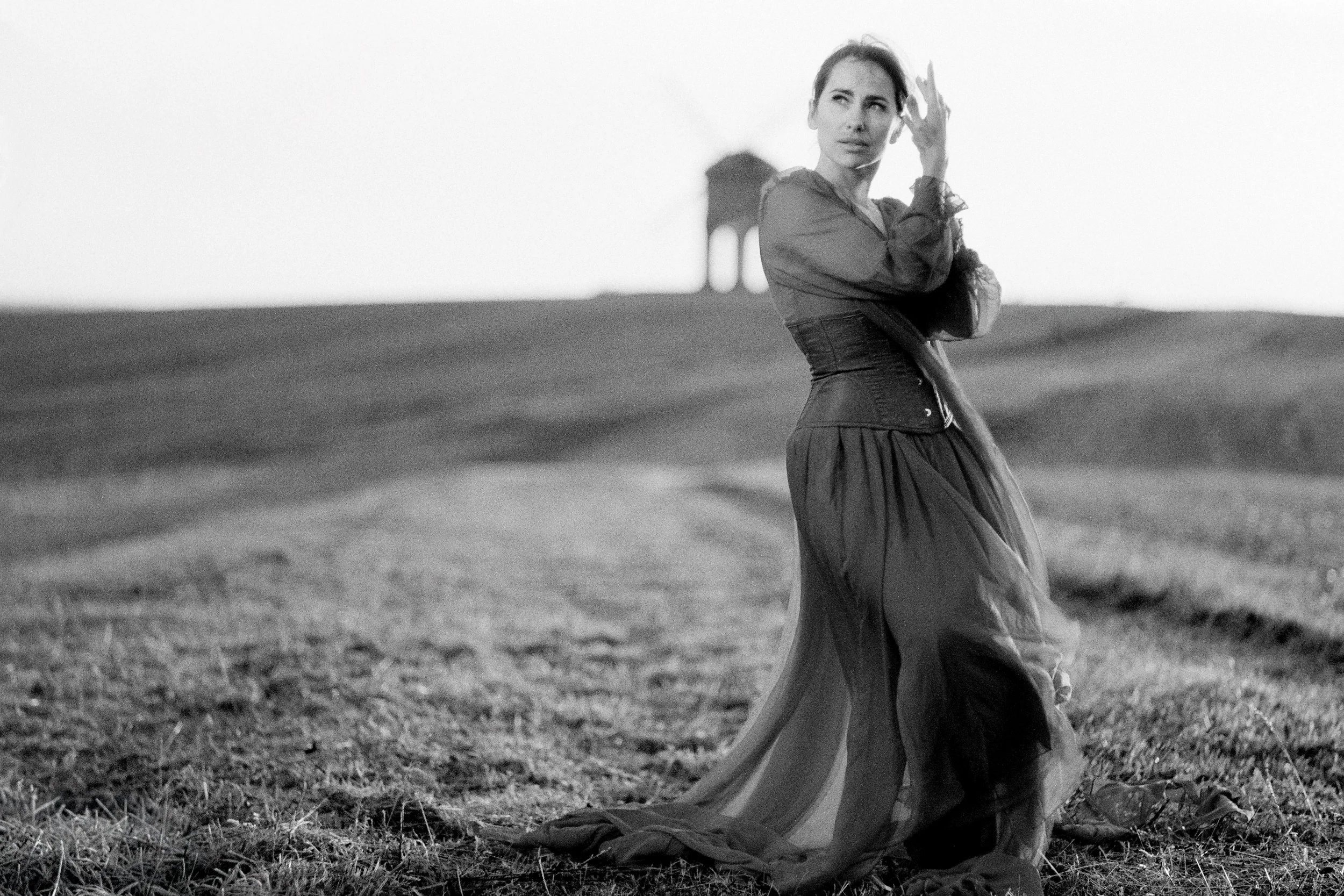
Why Analogue Portrait, Wedding, and Event Studios Are Rare in the UK: Infrastructure, Craft, and the Global Landscape
Analogue film photography is a working professional medium in cities such as Los Angeles, Berlin, Tokyo, and New York. Portrait studios, wedding photographers, and event specialists in those places continue to work on film because the infrastructure that supports analogue workflows never disappeared. Labs stayed open, cinematographers kept shooting on film, universities continued teaching it, and creative industries carried on commissioning it as part of their normal practice. Film remained part of the working vocabulary rather than becoming a curiosity. I’ve worked throughout the UK, USA and Europe over the decades, and since the late 1990’s the differences have grown between countries and continents for very different reasons.

Portrait Photographer in Leamington Spa | Chesterton Windmill Session
Chesterton Windmill is a setting that behaves almost like a stage. It stands alone above Leamington Spa, a solitary architectural structure surrounded by uninterrupted landscape, and this isolation gives it a rare cinematic profile. For portrait photographers working across Warwickshire, the West Midlands and the Cotswolds, it is one of the few local landmarks that retains a sense of timelessness — and at sunset, it becomes even more atmospheric. For this portrait session with Olga, the rhythm of the falling sun controlled everything. Forty-five minutes from start to finish meant two rolls of film, no resets, no time to revise angles, and no spare exposures. Everything had to be prepared, executed and adapted fast.

Why Real Film Photography Is the Only True Heirloom in the Age of AI
There was a time when photography meant one simple thing: light recorded on a physical surface. Every image was a direct imprint of the world — photons hitting emulsion, a moment translated into chemistry. Today, photography exists in a different landscape. We live in an era of filters, machine learning, and algorithms that can fabricate faces, landscapes, and entire realities that never existed. In a feed full of digital illusion, a true photograph — one that exists as a tangible artifact — has become something more than nostalgic. It has become proof.

When the Light Misbehaves – The Beauty of Imperfection in Film Photography
In the world of film, perfection doesn’t exist — and that’s the point. Every roll carries a trace of risk. A flicker of light might slip past a seal. A frame might shift by a fraction. Grain might swell unexpectedly in the shadows. These are not errors to correct. They’re the heartbeat of something real.
At Liquid Light Whisperer, those marks of imperfection aren’t flaws. They’re fingerprints — small proofs that every image was made by hand, in light, with care, and without the safety net of an undo option.
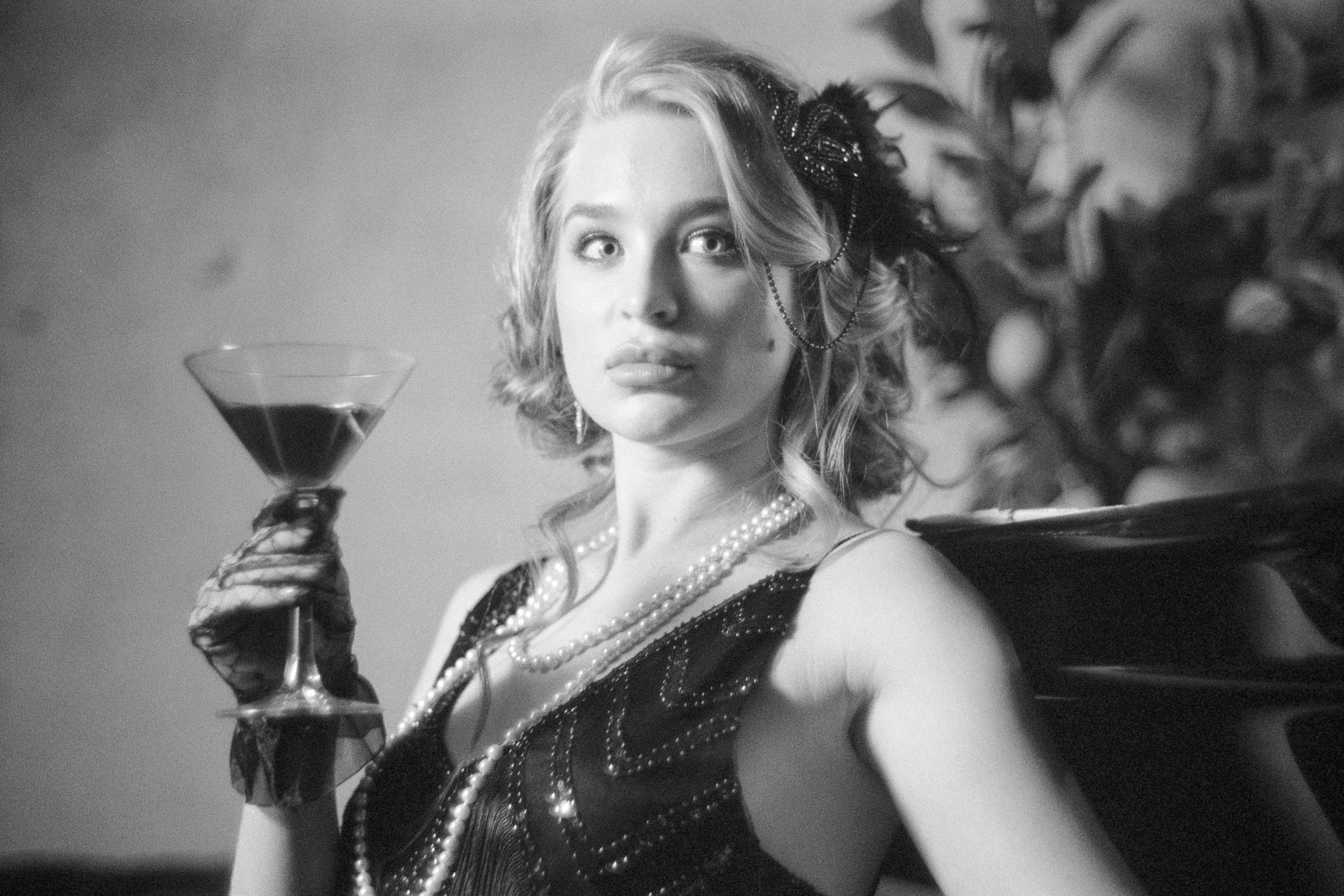
Film Portrait Photography in Warwickshire
In today’s world, it’s easy to confuse digital editing with photography. Scroll through social media and you’ll see endless images smoothed, graded, and altered until the original moment is barely recognisable. That isn’t photography — it’s post-production. It’s editing.

Why Resolution Matters: Getting the Most From Your Film Scans
Why film scan resolution and tonal depth matter, how Liquid Light Chamber differs from Noritsu and Frontier minilab scanners, and why Liquid Light Lab returns stronger 35mm scans for local and UK postal customers.

Why Film Photography Feels Alive in the Digital Era
Digital photography gave us precision, speed, and infinite repetition. It perfected the technical image — but in doing so, it stripped away something that analog never lost: a sense of life.
Film photography endures because it feels different. It slows us down, resists instant gratification, and produces images with texture and presence. In a world of disposable content, film stands out as something alive.

Lenses that Render Light Uniquely – Vintage Glass Magic
Where modern optics are designed to correct, suppress, and polish, older lenses allow light to express itself in ways that feel alive. The edges aren’t always sharp. The coatings flare in unpredictable halos. The bokeh swirls or doubles or melts away entirely. What many engineers considered flaws, photographers now treat as signatures — fingerprints left by history on light itself.

Analogue as Memory – Why Negatives Outlast the Cloud
When an image is exposed on film, it isn’t yet a photograph. It lives invisibly in the emulsion, suspended between existence and nothingness — a latent ghost of light. At this stage it can still be erased, fogged, or lost entirely, but it is there, waiting. Only when it meets developer does it reveal itself, and only when it meets fixer is it frozen forever. That alchemy — the moment when something ephemeral becomes permanent — is what makes film different. Memory doesn’t just appear; it is conjured, stabilised, and preserved.

A Timeless Developer for Modern Eyes: 510 Pyro Review
Pyro-based developers have a rich history dating back to the very origins of photography in the 1830s. Early photographic pioneers in England—including William Henry Fox Talbot—experimented with gallic acid and its derivatives, such as pyrogallol (the chemical foundation of pyro developers).

Ilford Delta 3200 Review: A Timeless Embrace of Shadow, Grain, and Mood
Ilford Delta 3200 has long been my film of choice for capturing intimate, atmospheric moments in low-light scenarios. There is an unmistakable magic that emerges when you push a high-ISO black-and-white emulsion like Delta 3200 to its limits.
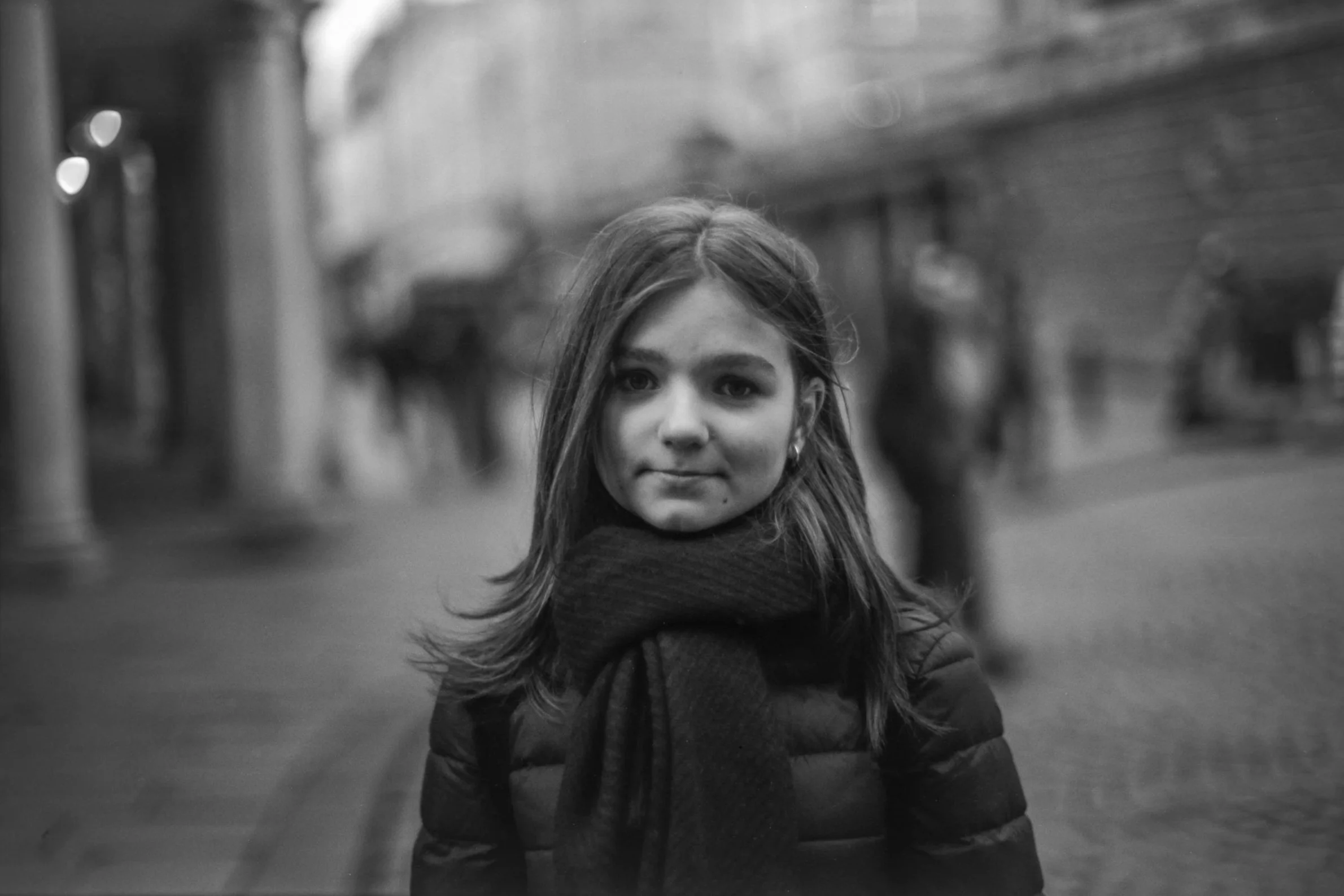
Lomography Babylon 13 at ISO 6: Exploring Ultra-Low-Speed Mastery with a Leica M3 and 510 Pyro
Lomography’s Babylon 13 is already known as a strikingly low ISO black-and-white film, but pushing it further by rating it at ISO 6—or even ISO 3—invites a whole new level of experimentation for those of us who love the slow, methodical pace of analogue photography.

Leica’s Legendary Craftsmanship: From Barnack’s Vision to the M5 and M6.
Leica’s Legendary Craftsmanship: From Barnack’s Vision to the M6. From the full frame size of a digital sensor, to 36 rolls of film in a cannister - 35mm photography begins with Oskar Barnack.