

Liquid Light Lab: Film Development and Scanning Across the UK
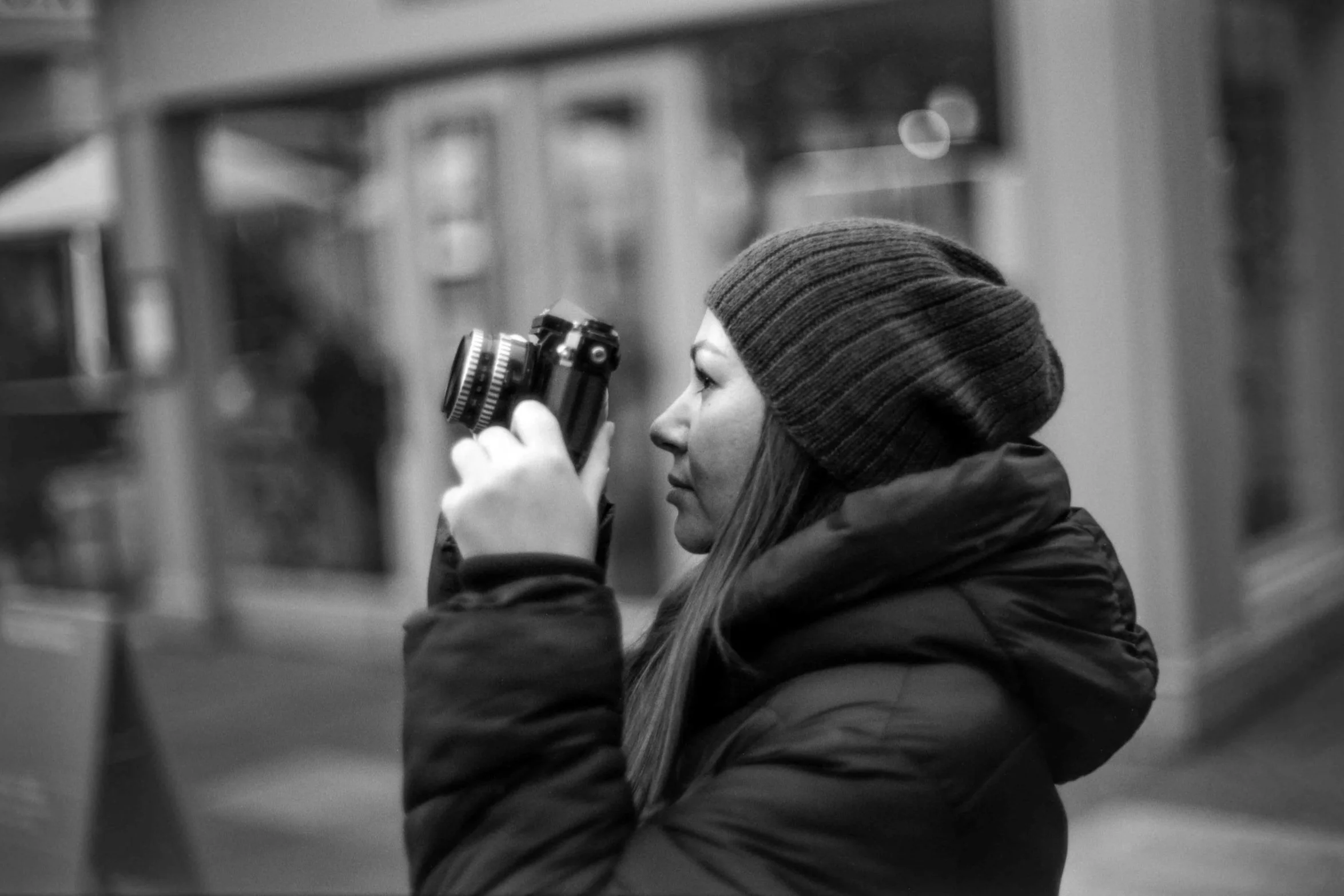
Premium 35mm film development and scanning from Liquid Light Lab, serving photographers across the UK with C-41, ECN-2, black and white processing, and high-quality scan extraction.
There are plenty of places that process film. Far fewer handle it with the understanding that development and scanning do not simply complete the job, but determine how much of the photograph reaches the final result.
Liquid Light Lab exists for that reason. Based in Royal Leamington Spa and working for photographers across the UK by post, the Lab processes 35mm C-41, ECN-2, and black and white film through a controlled workflow built around careful handling, disciplined development, and high-quality scan extraction. The aim is not just to return developed film, but to return work that preserves more of the photograph held on the negative.
For photographers sending film from anywhere in the country, that distinction matters. A negative can be well exposed and still lose much of its value if the stages that follow receive casual treatment. Chemistry, handling, and scanning all shape the final result. The file that comes back is not a neutral by-product of the process, but part of the photograph itself.
Film processing with the finished photograph in mind
Liquid Light Lab processes 35mm C-41 colour negative film, ECN-2 cinema negative, and black and white film for photographers who care what happens after exposure. These are not separate services loosely grouped together, but connected stages within one photographic workflow. What happens in development affects what remains available in the scan, and what remains in the scan affects how convincingly the photograph carries through to the final file.
That applies whether the roll contains portrait sessions, wedding coverage, event work, editorial material, personal projects, or family frames that cannot be repeated. A negative only reaches its full value when the work that follows exposure receives the same seriousness as the exposure itself.
C-41 development is available for standard colour negative stocks, including Portra, Gold, Ultramax, Fujifilm colour negative films, and other C-41 emulsions. ECN-2 development is available for motion-picture negative and remjet-free stills stocks built around cinema emulsions and their distinct tonal behaviour. Black and white film receives the same emphasis on control, particularly where tonal separation, density, and scan quality matter more than generic output. The aim is not to offer every possible process, but to handle the accepted processes to a standard worth using.
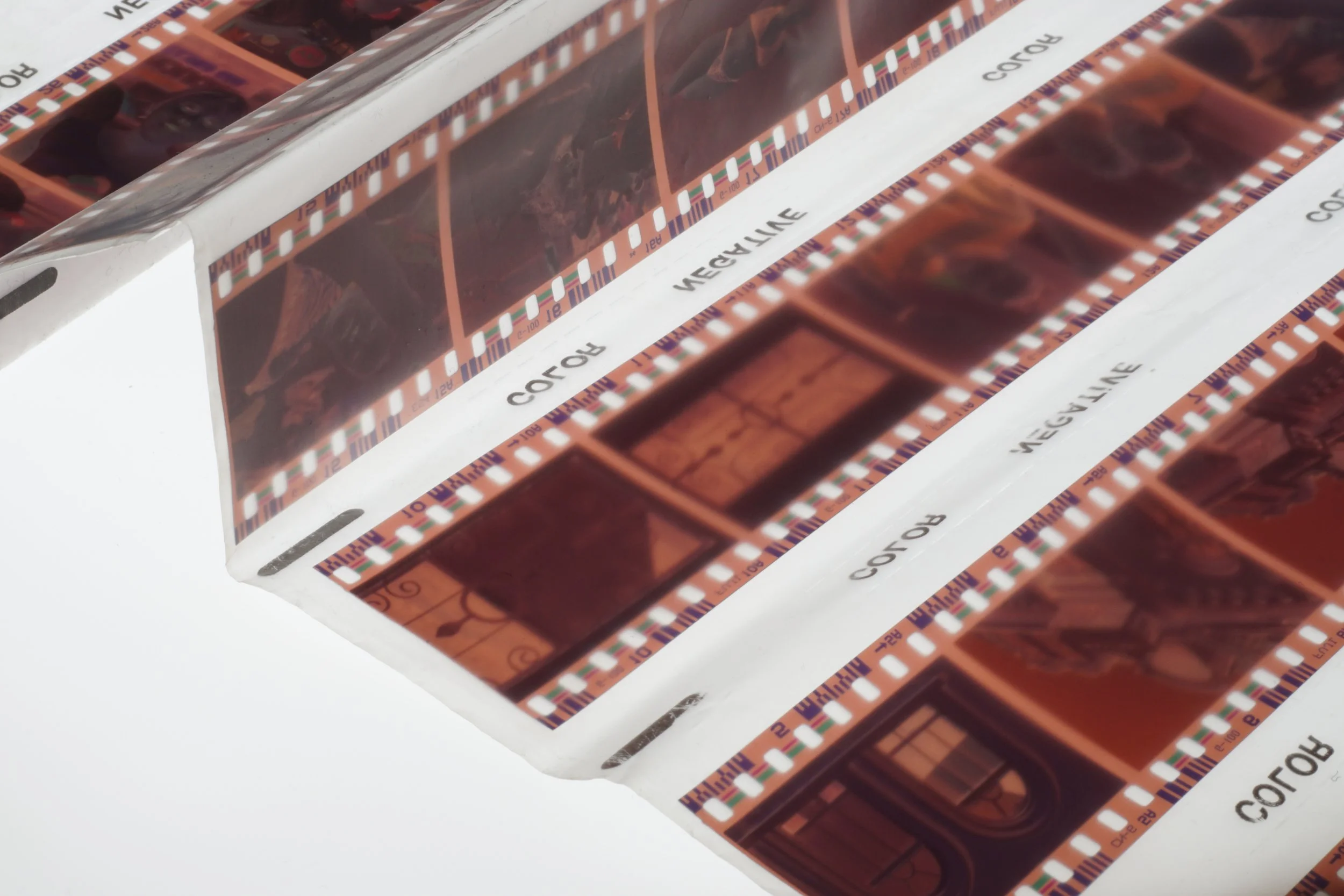
35mm colour negatives prepared for premium film scanning at Liquid Light Lab, where careful extraction preserves greater tonal depth, highlight control, and shadow detail for photographers across the UK.
Premium film scanning in the UK
Scanning sits at the centre of the Lab’s standard. A well-made negative still loses a substantial part of its value if extraction is weak, tones clip, contrast flattens, or density and tonal transition receive careless treatment.
Liquid Light Lab is built around premium scanning that aims to retain more of what the negative actually holds, so that the final photograph carries greater depth, stronger tonal coherence, and better highlight and shadow retention. When that work is done properly, the difference is visible in the file itself: colour sits more naturally, tones separate more cleanly, highlights retain their structure, shadows hold more useful information, and the photograph remains closer to the negative it comes from.
The scan should not diminish the photograph. It should carry it forward.
A UK film lab, based in Royal Leamington Spa
Liquid Light Lab provides film development and scanning for photographers across the UK by post. The Lab processes 35mm C-41, ECN-2, and black and white film through a controlled workflow built to preserve more of the photograph held on the negative.
The Lab is based in Royal Leamington Spa, Warwickshire, and serves the whole UK. Whether film is dropped in from nearby or sent from elsewhere in the UK, the standard remains the same: careful processing, disciplined scan extraction, and a final file that carries more of the negative forward.
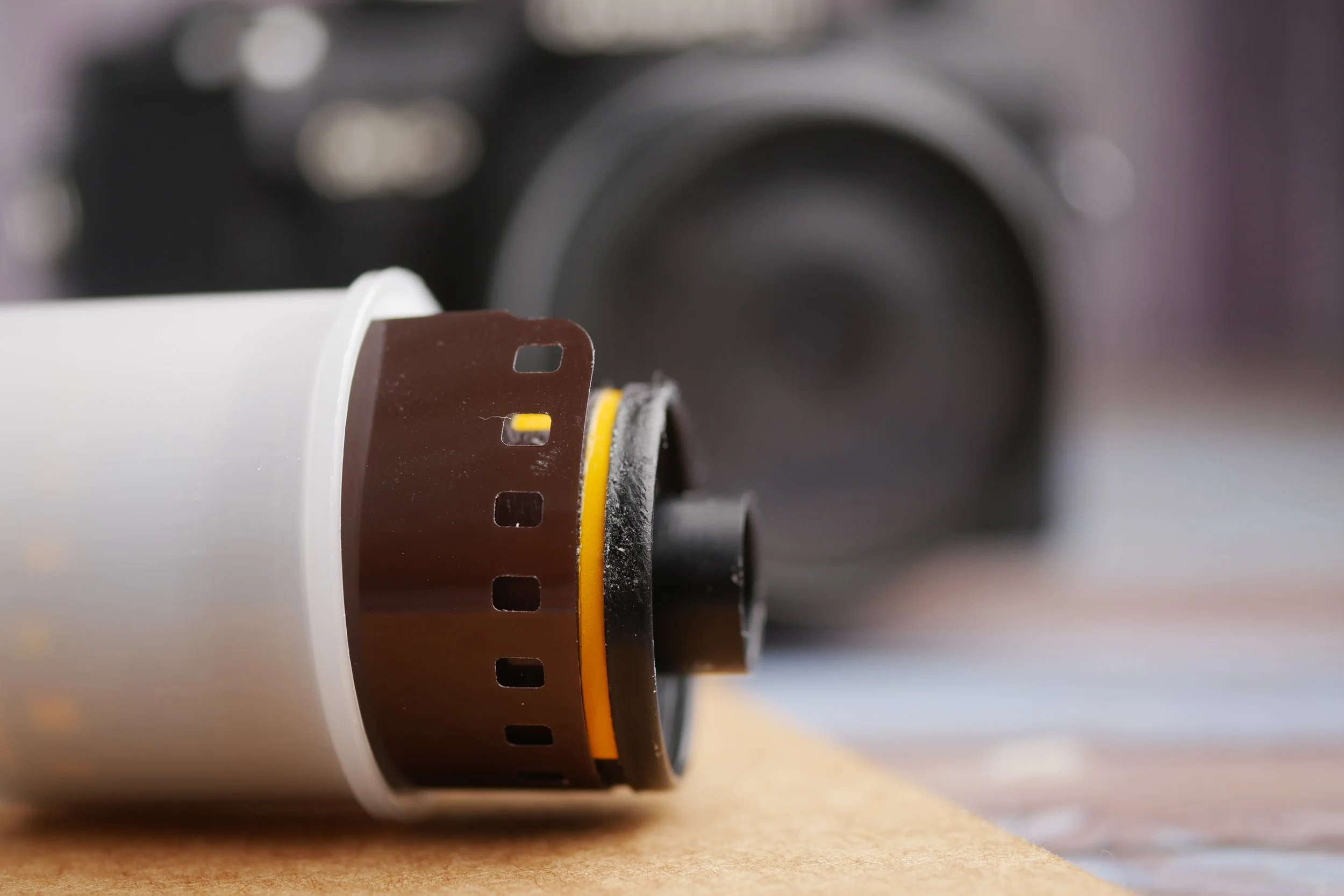
35mm film prepared for development and scanning at Liquid Light Lab, where processing and scan extraction are handled as one workflow to preserve more of the final photograph.
A lab shaped by photographic practice
Liquid Light Lab sits alongside Liquid Light Whisperer, and that relationship defines the standard of the Lab. It exists within a photographic practice built on controlled lighting, optical behaviour, development choices, and precise final rendering. The negative is treated as the source of the final photograph, not simply as something to be processed and returned.
That changes the standard applied at every stage. The expectation is not merely that the film comes back developed, but that what comes back holds more of the image, tone, and structure present on the film in the first place. For photographers deciding where to send their work, that is the question that matters.
Film development and scanning across the UK
If you are looking for a UK film lab for ECN-2, 35mm C-41, or black and white film, Liquid Light Lab offers a more controlled standard of development and scanning. Based in Royal Leamington Spa and working for photographers across the UK by post, the Lab exists to process film carefully, scan it properly, and return work that preserves more of the final photograph.
By Martin Brown | Liquid Light Whisperer