The Cinematic Notebook
The craft behind our portraiture and film development.
How This Notebook Connects to Film Photography and Film Development
Every article in this archive reflects the full analogue workflow used by Liquid Light Whisperer and Liquid Light Lab — from motivated lighting and optical rendering through to controlled development and high-dynamic-range scanning. The same discipline documented here is applied to commissioned portrait work and to every roll processed in the lab.
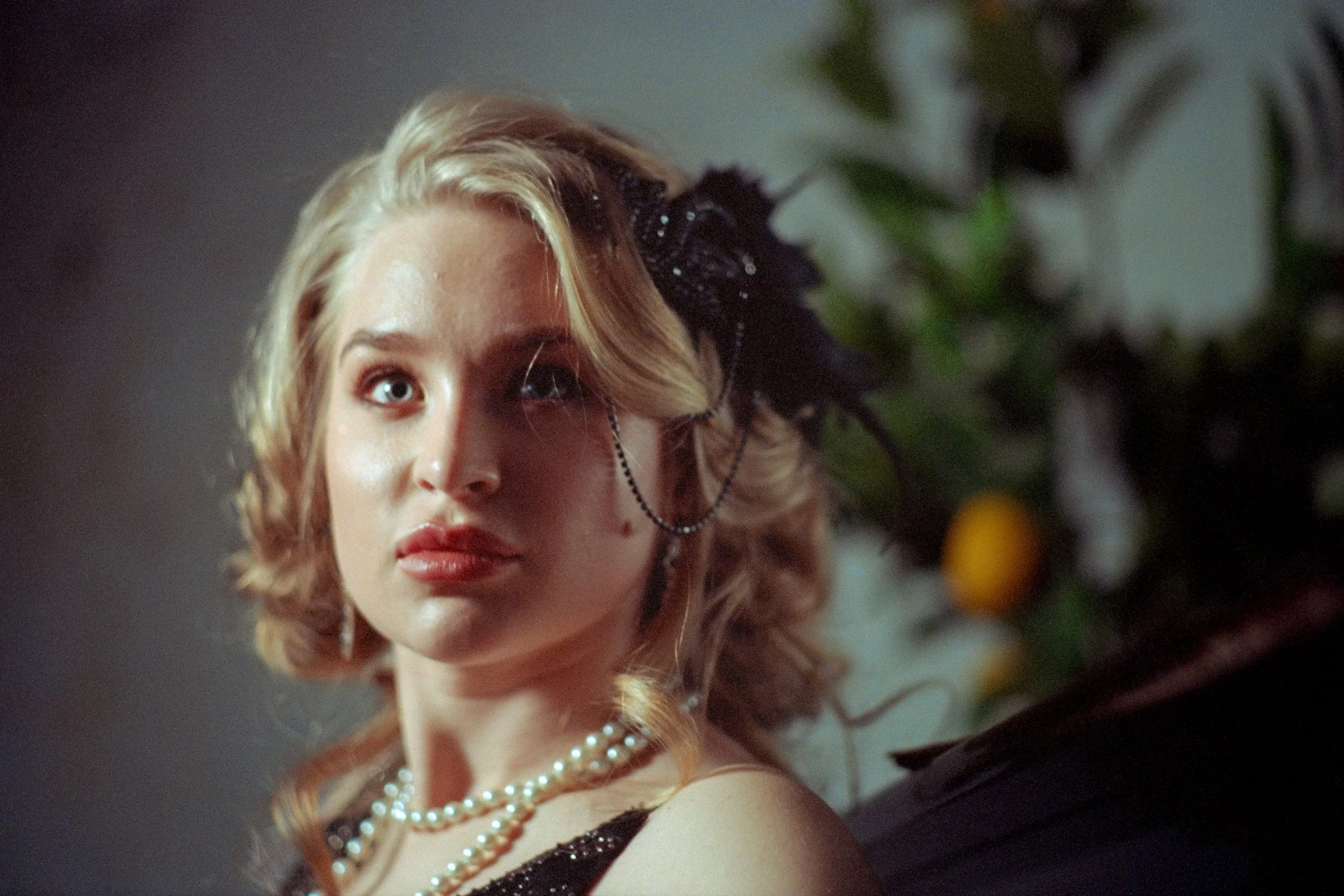
Candido Film in the Studio: ECN-2 Development, Exposure Index and Noir Lighting in Practice
I recently did a professional studio session produced in collaboration with Candido Collective, with Nadia Dutchak modelling and hair and make-up by Iryna Pasechnik. The objective was was to demonstrate how motion picture film behaves when exposure index, lighting structure, development chemistry and scanning are treated as one continuous workflow.
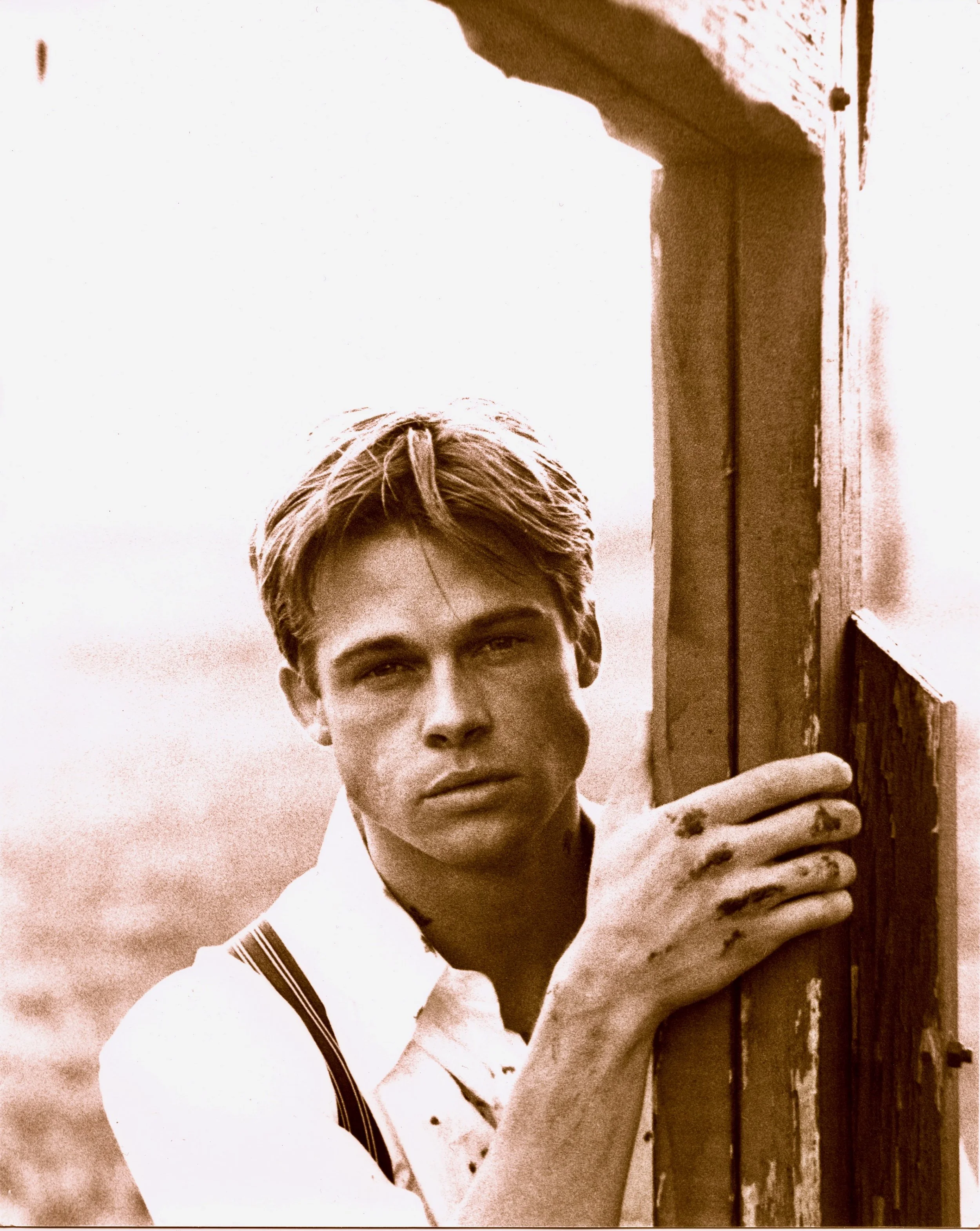
Craig Sheffer on Lighting, Presence and Trust in a Portrait Session
Craig Sheffer starred in the Academy Award winning film A River Runs Through It. We’ve worked with film photography for years, both on the road and in more structured environments. Our conversations tend to drift toward craft, and how our different approaches shape our photography. He has spent decades on sets where lighting is built with intention and repeated with precision. He also makes photographs himself, and this combination gives him perspectives pure photographers can learn from. He understands how structured light affects performance, posture and presence, and how contrast changes the way a face lives within the frame.
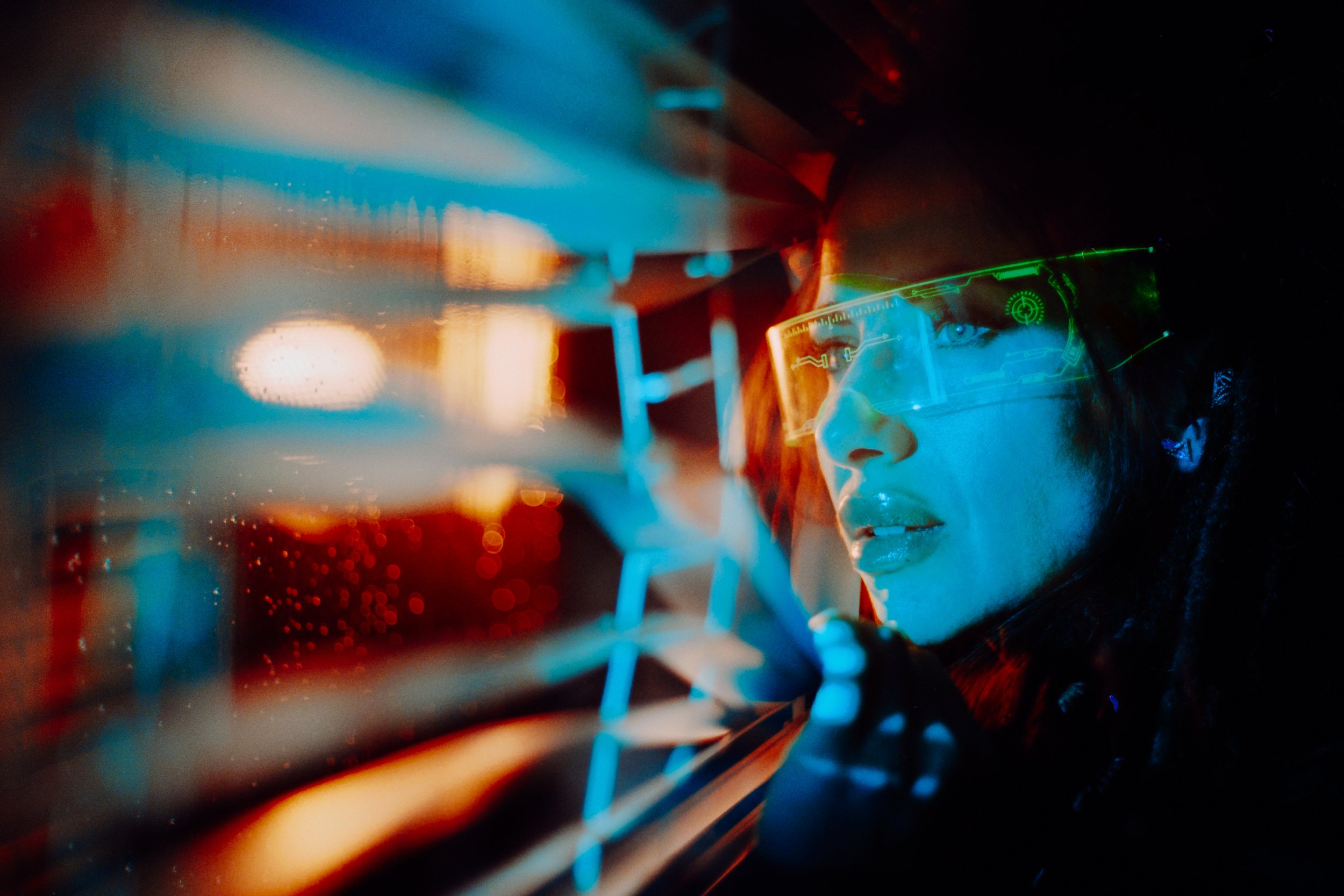
Chiaroscuro, Part III: Control, Containment, and the Discipline of Light
Once a lighting ratio has been established, the greatest threat to chiaroscuro is not the key light itself, but everything that happens around it. Spill, uncontrolled bounce, secondary reflections, and environmental lift can quietly erode contrast and flatten structure, particularly in confined or visually complex spaces. Cinematographic lighting does not solve these problems by adding more illumination. It solves them by shaping, subtracting, and containing the light that already exists.
This article examines how chiaroscuro is maintained when the environment becomes part of the challenge rather than a neutral backdrop, using a constructed interior night scene at the Liquid Light studio as a working case study.
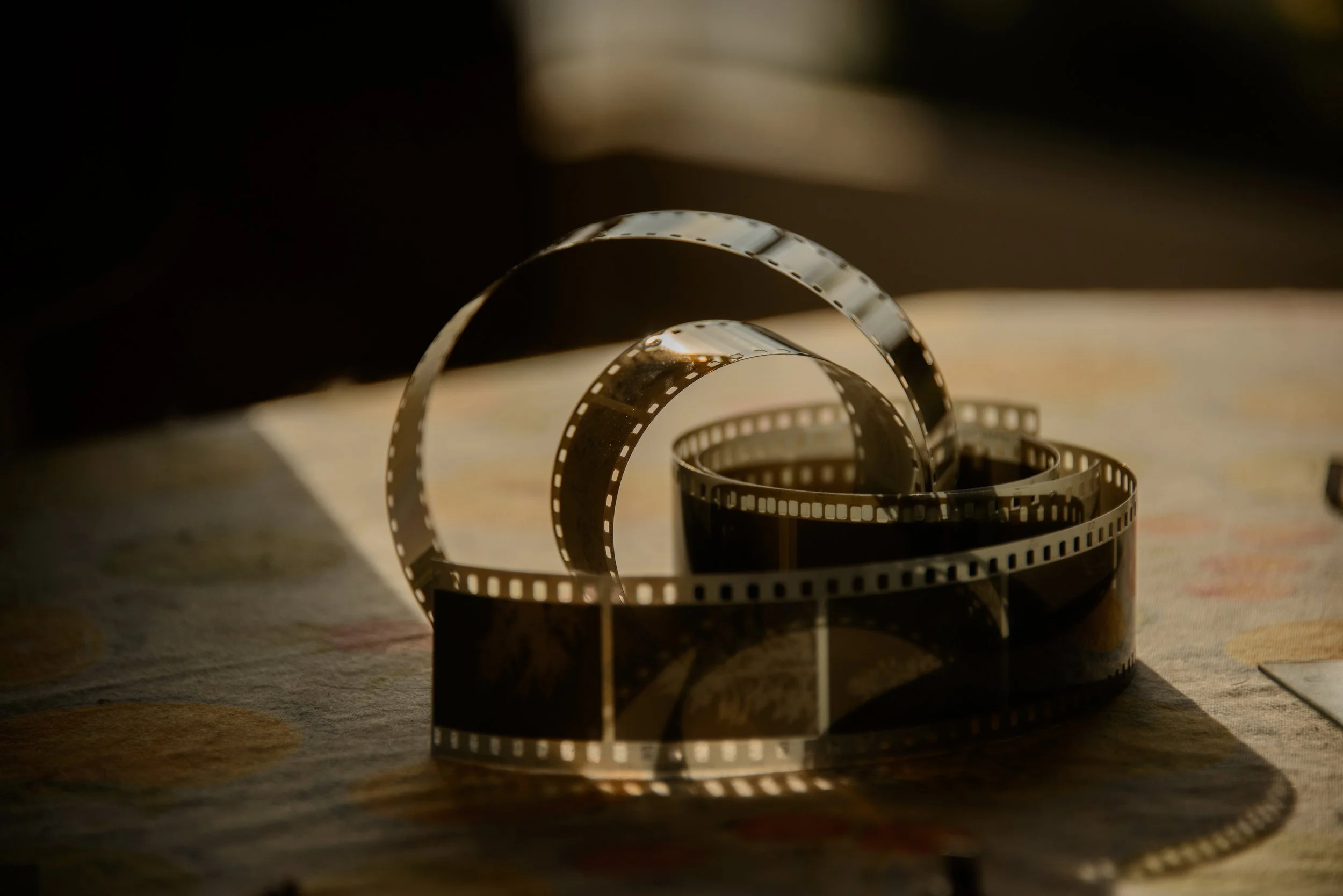
Lens, Film, Chemistry — The Three Decisions That Define Cinematic Photography on Film
Across decades of cinematography and still photography alike, three decisions consistently govern the final image. They operate at different stages of the process, but together they form a closed system. If one is misjudged, the others cannot compensate. When they are aligned, the photograph holds together with coherence and permanence.
Those three decisions are lens selection, film stock, and chemical processing. Respectively, they define how light is drawn, what kind of record is made, and how that record is stabilised over time. Understanding them as a unified structure is essential to understanding how cinematic photographs on film are actually built.
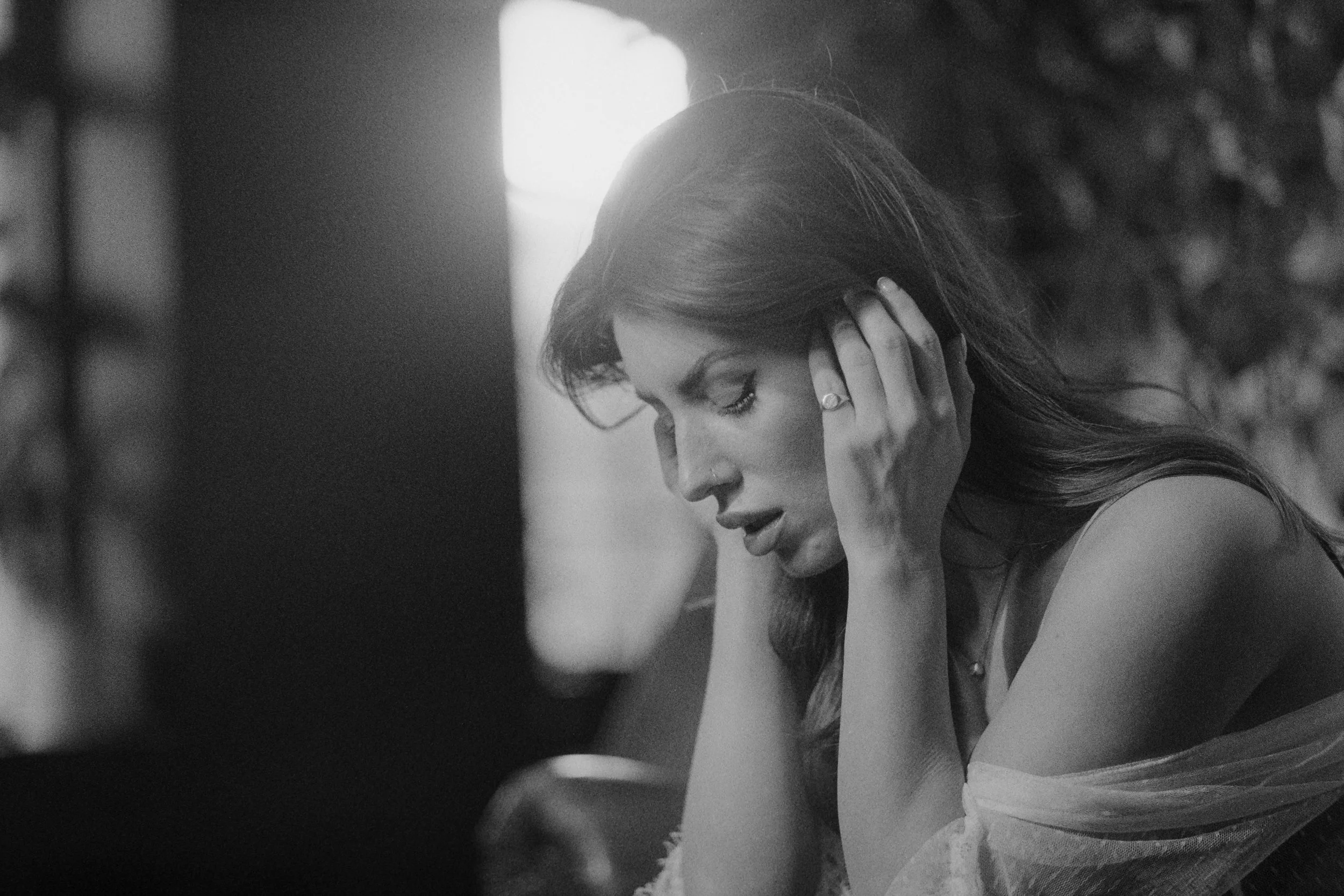
Voigtländer Nokton 50 mm f/1.1 Review: Cinematic Rendering on Film for Portraits, Weddings, and Events
The Voigtländer Nokton 50 mm f/1.1 in M-mount is one of the few modern lenses built with an analogue-era expressive mindset. It is a tool designed to build atmosphere, depth, and tonal weight on film. In portrait sessions, weddings, and low-light events, it behaves with the authority needed for authored image-making. Used on the Leica M3 Double-Stroke as a mechanical work surface, the lens becomes a precise instrument for drawing scenes with intention and harnessing motivational light—whether shaped by controlled artificial lighting, directional window light, or mixed sources structured for coherence.
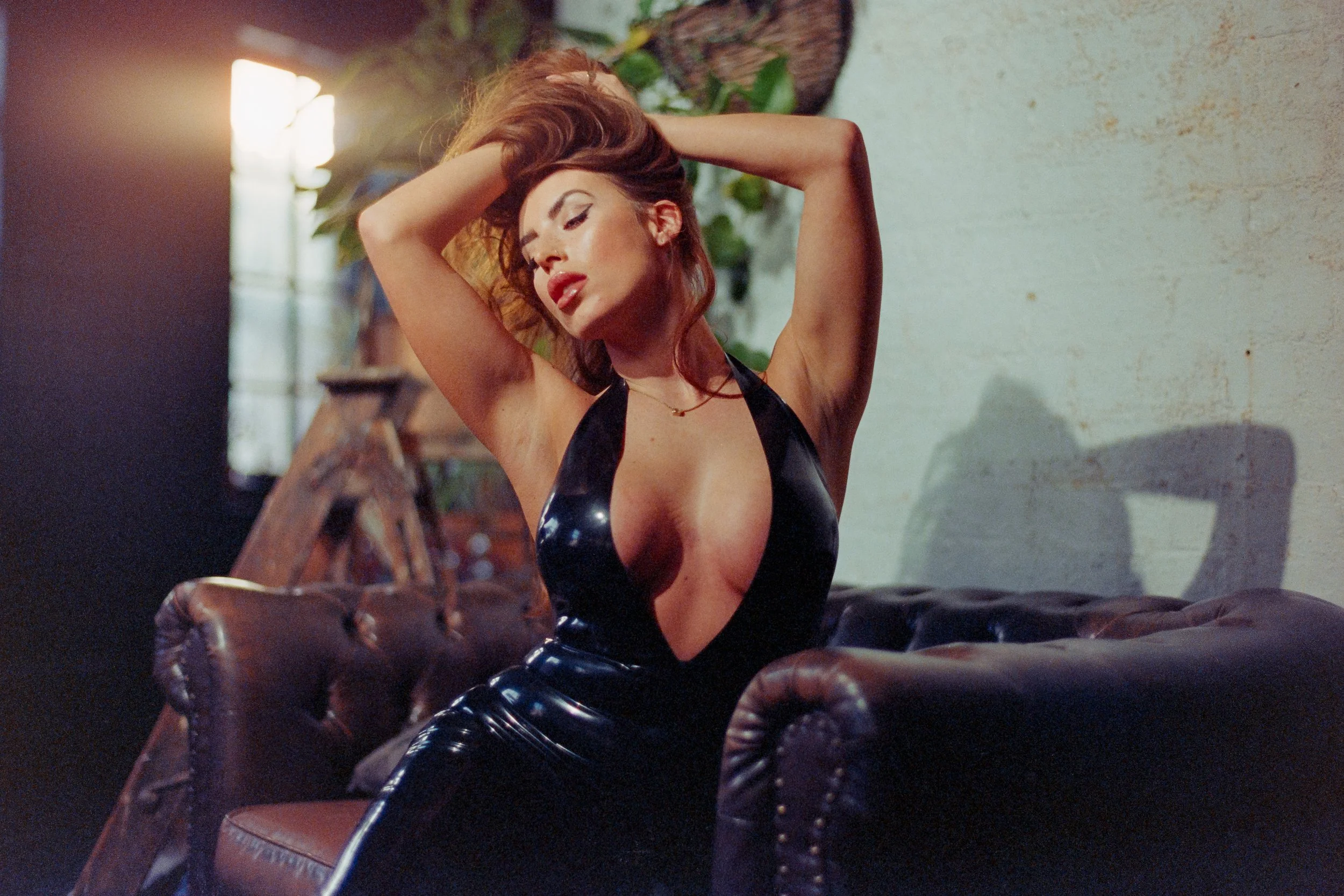
Directional Light on Film: Building the Chiaroscuro Portrait (Part II)
Chiaroscuro begins with a simple idea: the difference in brightness between the lit side of the subject and the shadow side. This difference is the light ratio, and it determines how sculptural or gentle the portrait will appear.
A small difference between the two sides creates a subtle, rounded shape. A larger difference produces the recognisable sculptural depth associated with classical portraiture and mid-century cinema. At even stronger ratios, the shadows begin to take on narrative weight, and the illuminated planes appear almost architectural.
Directional Light on Film: The Foundations of Depth, Shape, and Tonal Control (Part I)
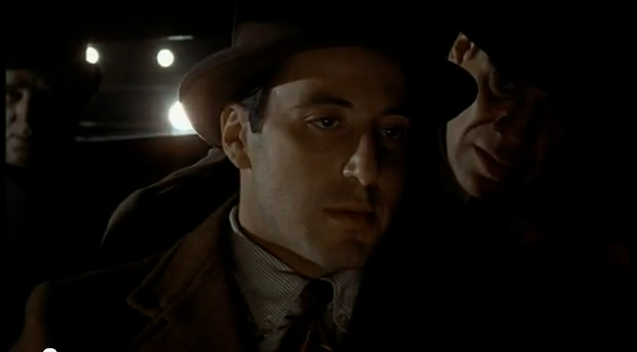
Chiaroscuro is the controlled use of directional illumination to create depth, dimensionality, and tonal separation inside a portrait. The term is sometimes used loosely to describe dramatic or shadow-heavy images, but that simplification does not describe its real function. Chiaroscuro is not an effect. It is not an aesthetic layer applied to an image. It is a precise lighting system that defines the physical structure of a portrait through the relationship between illuminated planes and shadow planes.