The Cinematic Notebook
The craft behind our portraiture and film development.
How This Notebook Connects to Film Photography and Film Development
Every article in this archive reflects the full analogue workflow used by Liquid Light Whisperer and Liquid Light Lab — from motivated lighting and optical rendering through to controlled development and high-dynamic-range scanning. The same discipline documented here is applied to commissioned portrait work and to every roll processed in the lab.
Chiaroscuro, Part III: Control, Containment, and the Discipline of Light
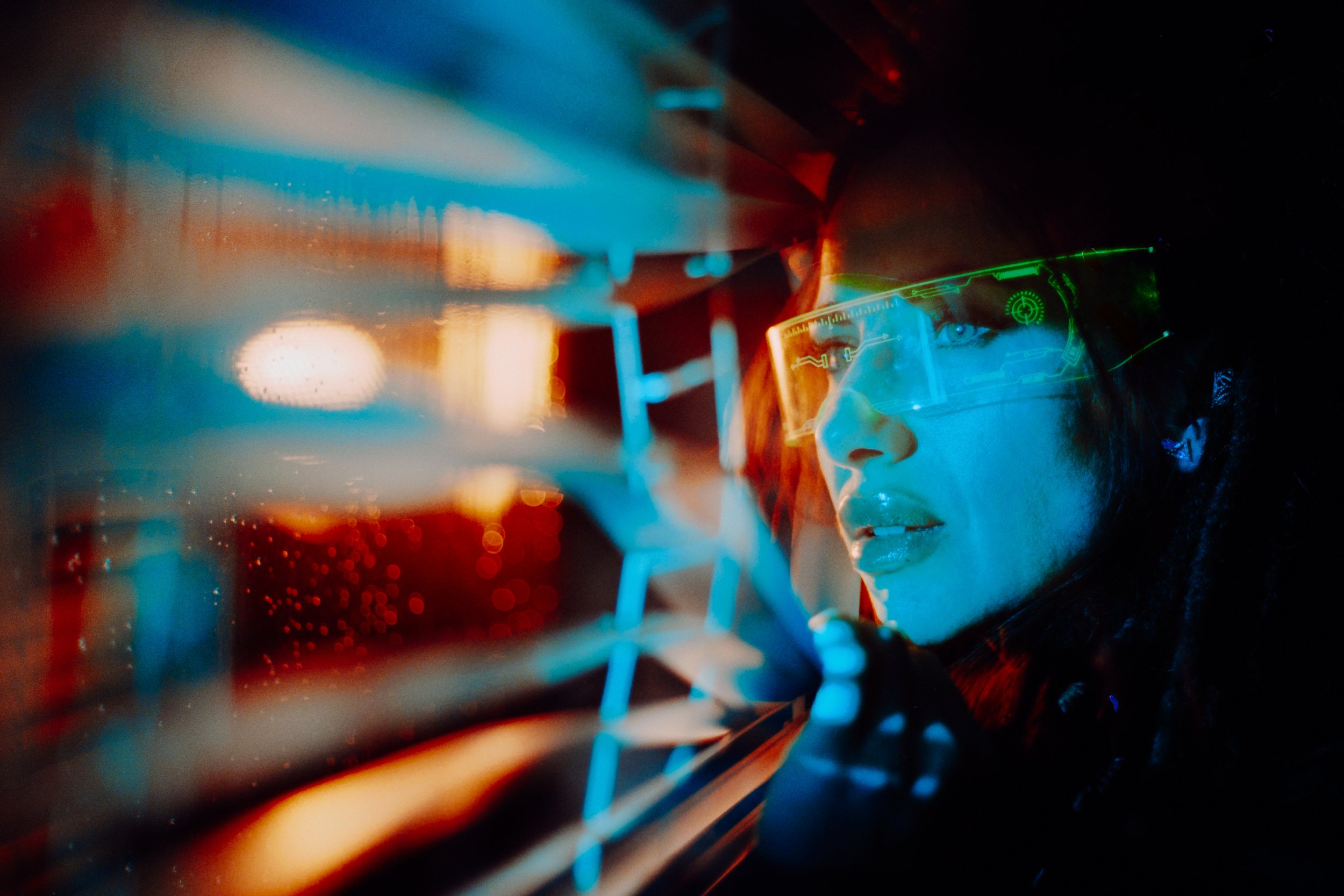
Once a lighting ratio has been established, the greatest threat to chiaroscuro is not the key light itself, but everything that happens around it. Spill, uncontrolled bounce, secondary reflections, and environmental lift can quietly erode contrast and flatten structure, particularly in confined or visually complex spaces. Cinematographic lighting does not solve these problems by adding more illumination. It solves them by shaping, subtracting, and containing the light that already exists.
This article examines how chiaroscuro is maintained when the environment becomes part of the challenge rather than a neutral backdrop, using a constructed interior night scene at the Liquid Light studio as a working case study.
Directional Light on Film: Building the Chiaroscuro Portrait (Part II)
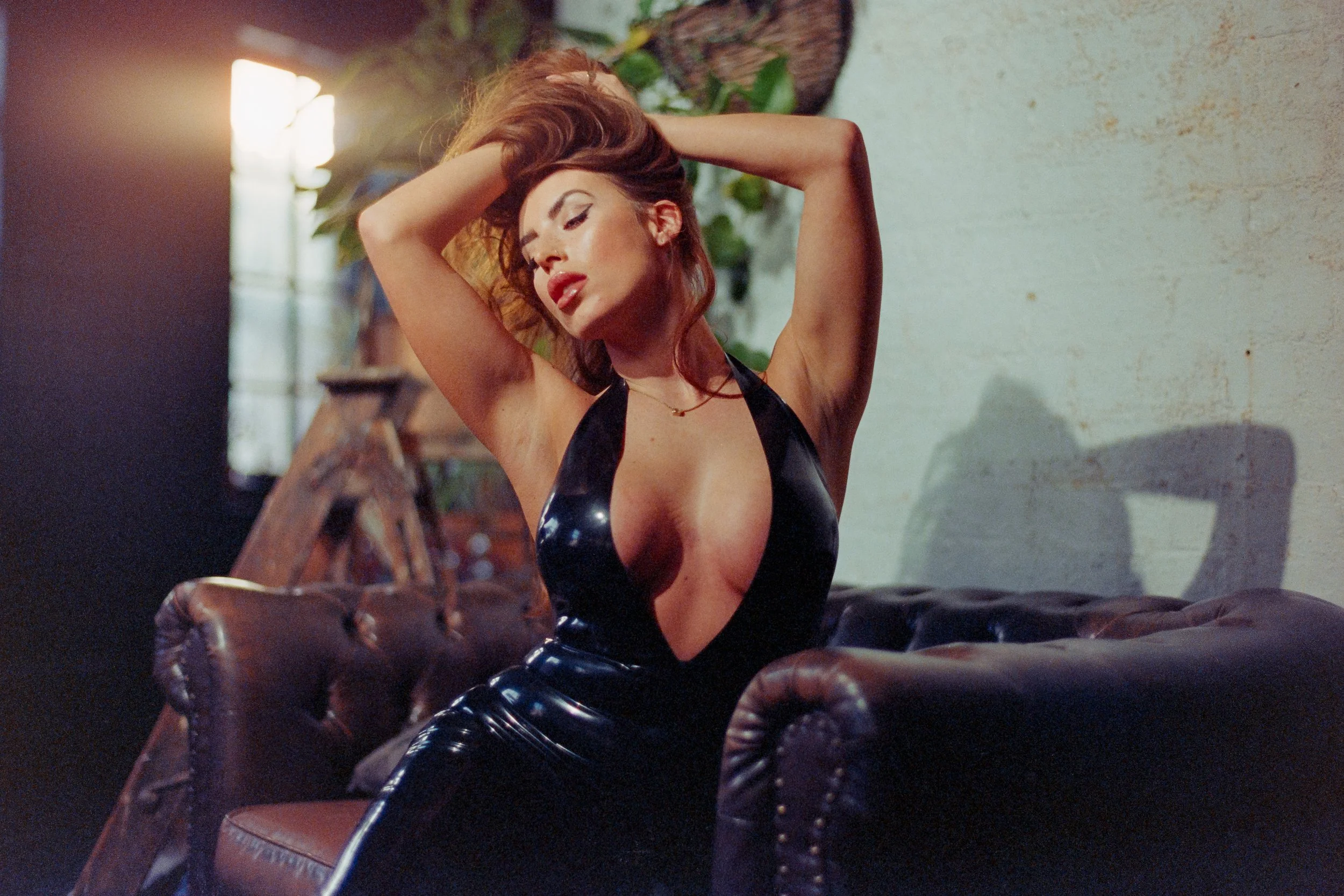
Chiaroscuro begins with a simple idea: the difference in brightness between the lit side of the subject and the shadow side. This difference is the light ratio, and it determines how sculptural or gentle the portrait will appear.
A small difference between the two sides creates a subtle, rounded shape. A larger difference produces the recognisable sculptural depth associated with classical portraiture and mid-century cinema. At even stronger ratios, the shadows begin to take on narrative weight, and the illuminated planes appear almost architectural.
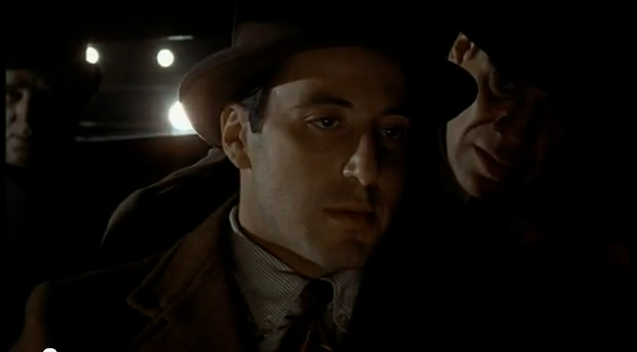
Directional Light on Film: The Foundations of Depth, Shape, and Tonal Control (Part I)
Chiaroscuro is the controlled use of directional illumination to create depth, dimensionality, and tonal separation inside a portrait. The term is sometimes used loosely to describe dramatic or shadow-heavy images, but that simplification does not describe its real function. Chiaroscuro is not an effect. It is not an aesthetic layer applied to an image. It is a precise lighting system that defines the physical structure of a portrait through the relationship between illuminated planes and shadow planes.