The Cinematic Notebook
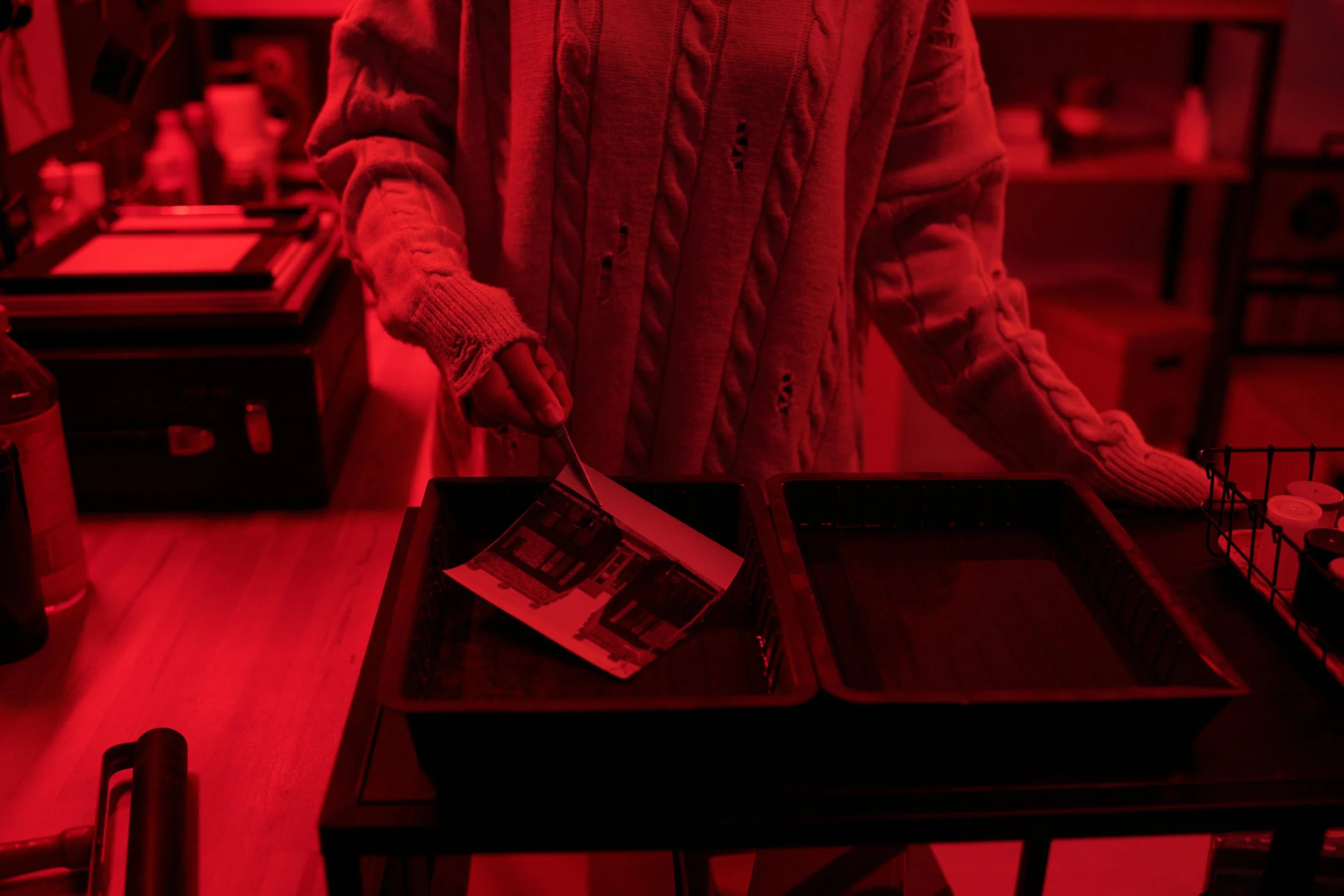
The craft behind our portraiture and film development.
How This Notebook Connects to Film Photography and Film Development
Every article in this archive reflects the full analogue workflow used by Liquid Light Whisperer and Liquid Light Lab — from motivated lighting and optical rendering through to controlled development and high-dynamic-range scanning. The same discipline documented here is applied to commissioned portrait work and to every roll processed in the lab.
Bath Model Portrait Photowalk with Liquid Light Lab & This is How I Roll Film
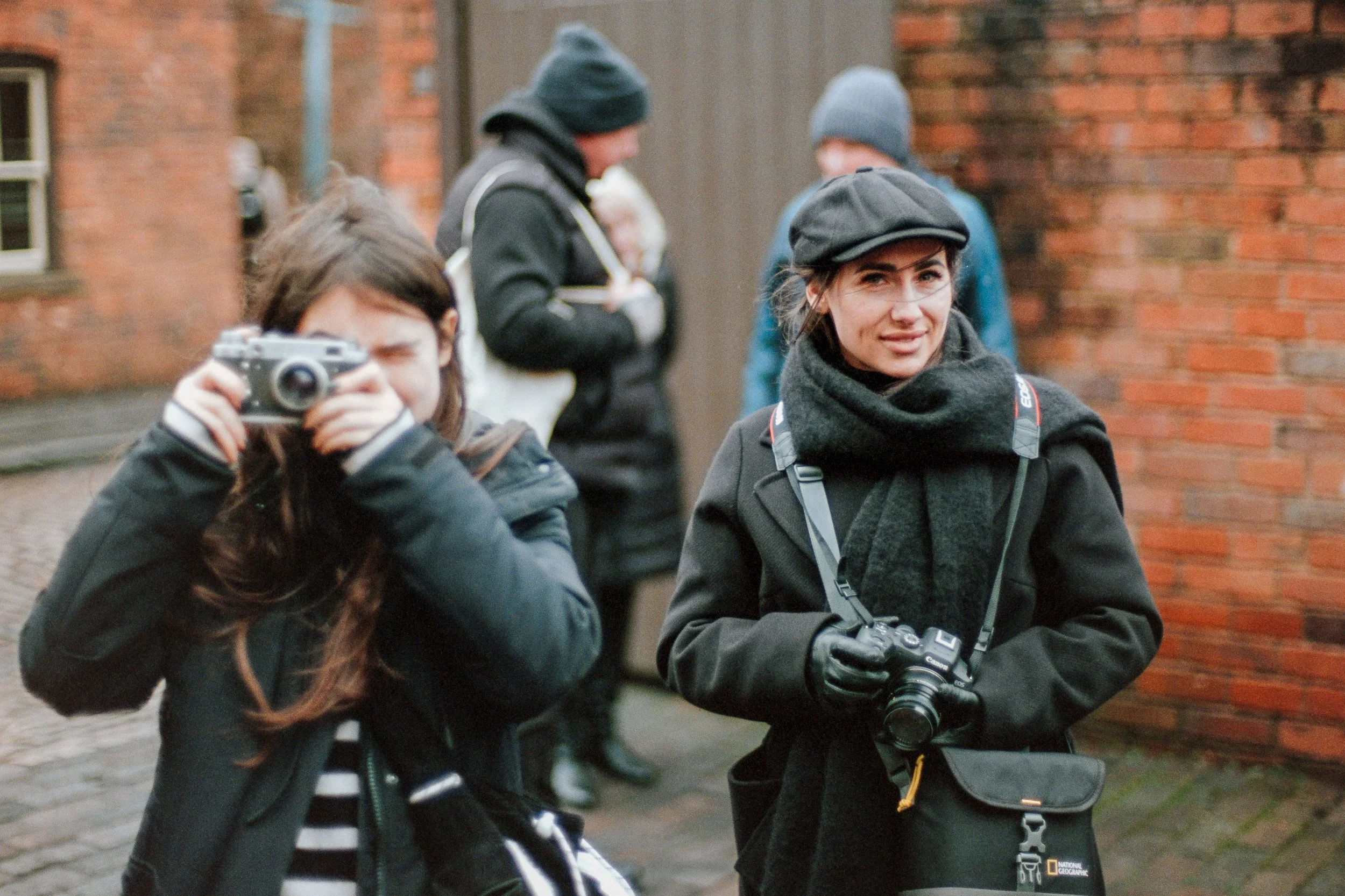
Join This is How I Roll Film and Liquid Light Lab in Bath for a two-hour guided 35mm film photowalk with model shooting, tuition, 3 rolls of film, film development and scanning all included.

This Is How I Roll Film: Peter on Motion-Picture Stocks, Affordable Film and Getting the Most from ECN-2
Peter Gault from This Is How I Roll Film started from the same place many film photographers found themselves a few years ago: colour film was becoming harder to find, prices were rising, and shooting regularly was starting to feel less accessible. His answer was not simply to sell film, but to build a small independent range around stocks he already used, understood and believed in.

Can Kodak VISION3 Film Be Developed in Black and White?
Kodak VISION3 is usually discussed as a colour motion picture stock, but AHU VISION3 films also open up another serious route: black and white development. That matters for photographers shooting Candido, CineStill and other VISION3-based films who want more from the stock than a standard colour workflow.
Why Kodak VISION3 AHU Film Changes Bleach Bypass
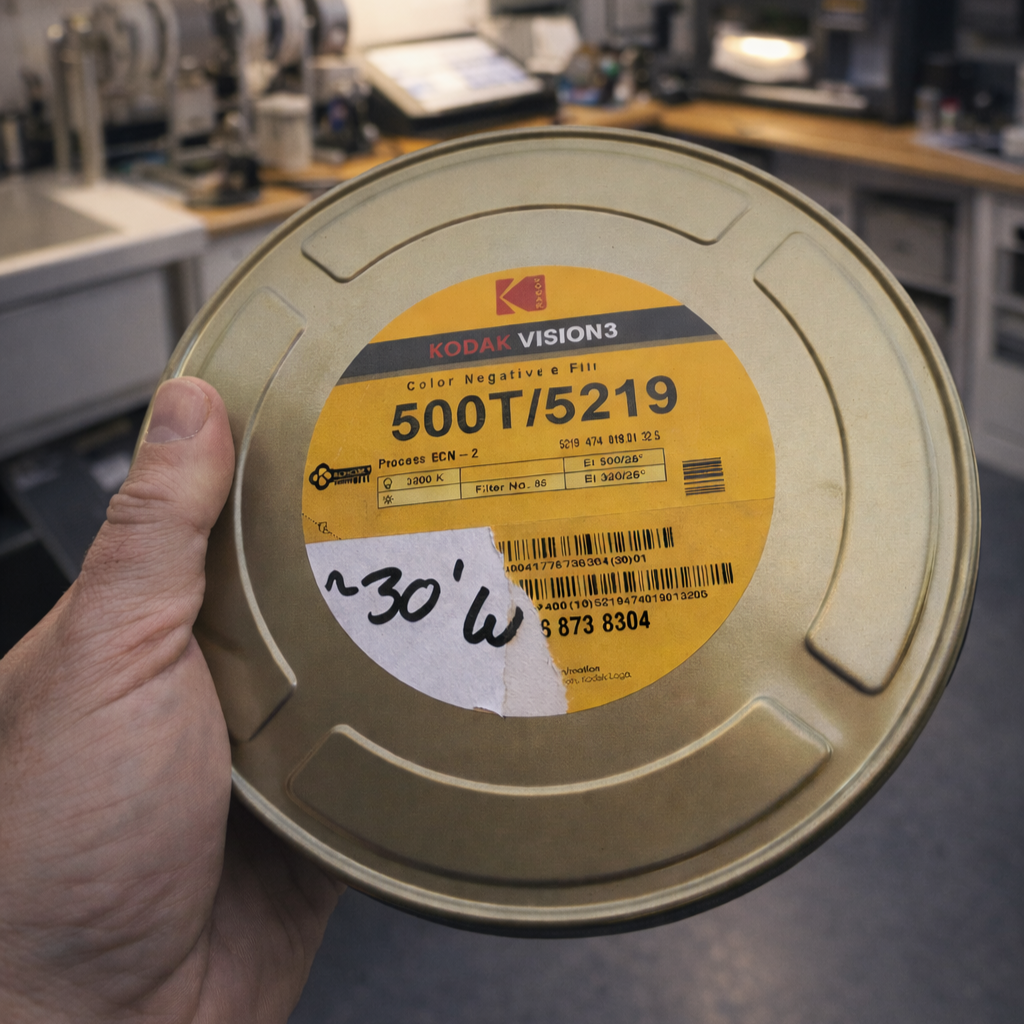
After direct telephone discussion with Kodak, Liquid Light Lab explains why bleach bypass is no longer a sound process for Kodak VISION3 AHU film, how the silver-bearing anti-halation undercoat changes skip-bleach density, and why 510 Pyro black and white development is now the stronger route.

VISION3 AHU Film Development at Liquid Light Lab UK | ECN-2 & C-41 for 50D, 200T, 250D, 500T
Kodak’s move from remjet-backed VISION3 film to VISION3 AHU (Anti-Halation Undercoat) is changing the stills market quickly.
The most important fact has not changed. Kodak states that the new AHU structure brings “no change to the product’s sensitometry” and “no workflow adjustments required in processing, scanning, and printing workflows.” Kodak also states that the new structure controls halation even more successfully than remjet. This means VISION3 AHU is still VISION3 camera negative film, still built around the same stock identity, and still demanding the ECN-2 development process.
C-41 and ECN-2 Are Not Alternatives
The most persistent misunderstanding around C-41 and ECN-2 is the idea that they compete with one another. They do not.
C-41 and ECN-2 are not two routes to the same outcome. They are two fundamentally different photographic systems built to solve different problems. Treating one as a substitute for the other leads to disappointment not because either system fails, but because the wrong assumptions are applied.
Why Shoot ECN-2 Film Instead of C-41
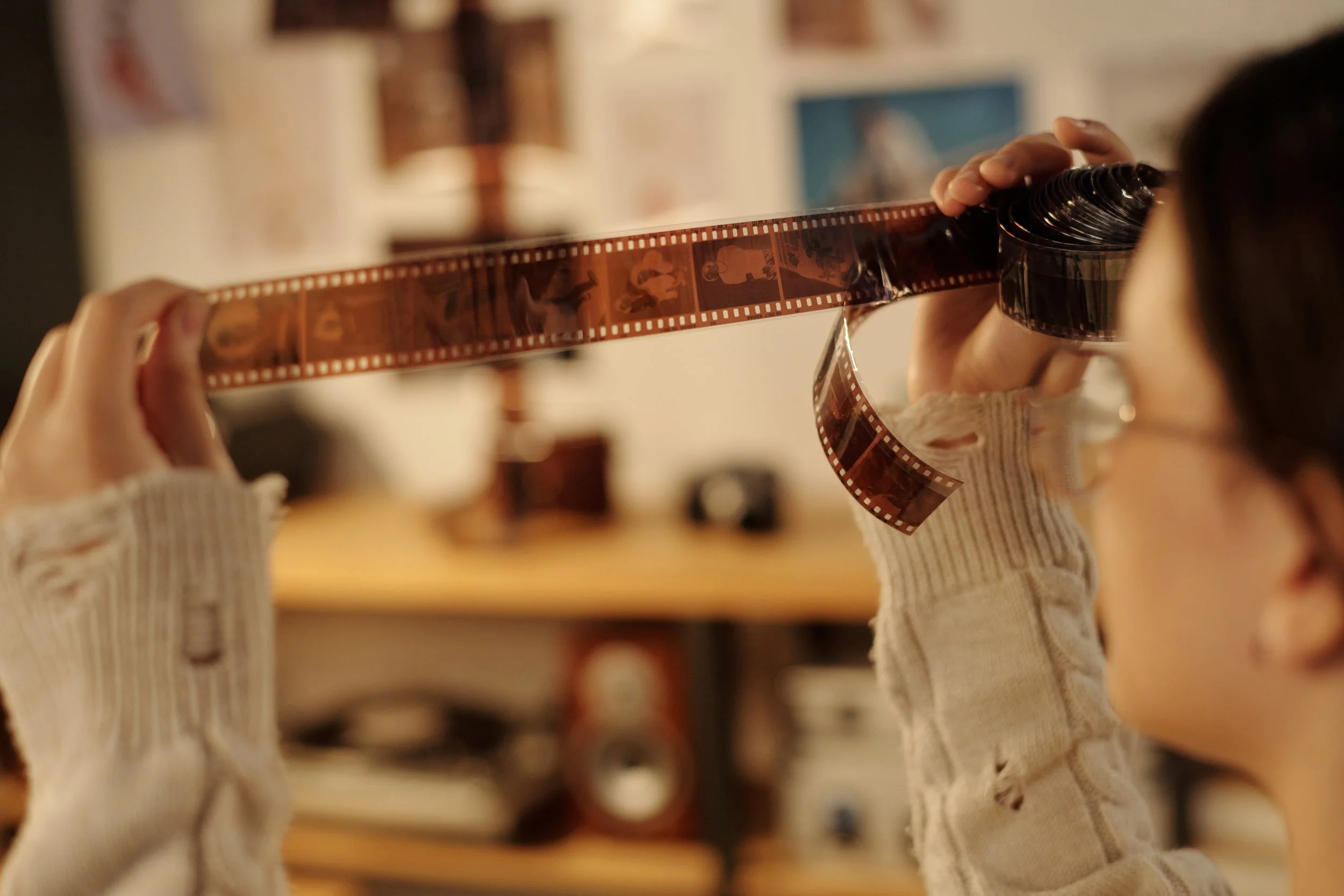
The correct question is not whether ECN-2 looks better than C-41. The correct question is why a photographer would choose a negative that deliberately withholds contrast and colour decisions, and what that choice enables.
ECN-2 does not reward unstructured use. It rewards intention. Photographers who choose it are not looking for chemistry to compensate for lighting or exposure decisions. They are choosing a system that assumes those decisions have already been made deliberately.