


Launching Liquid Light Lab: A Boutique Film Development Service for the UK
Film photography deserves more than a production line. That’s why I started Liquid Light Lab — a hand-crafted film processing and scanning service built by a photographer, for photographers. The Lab is now open, and it’s already been trusted with rolls that mean the world to people across the UK.
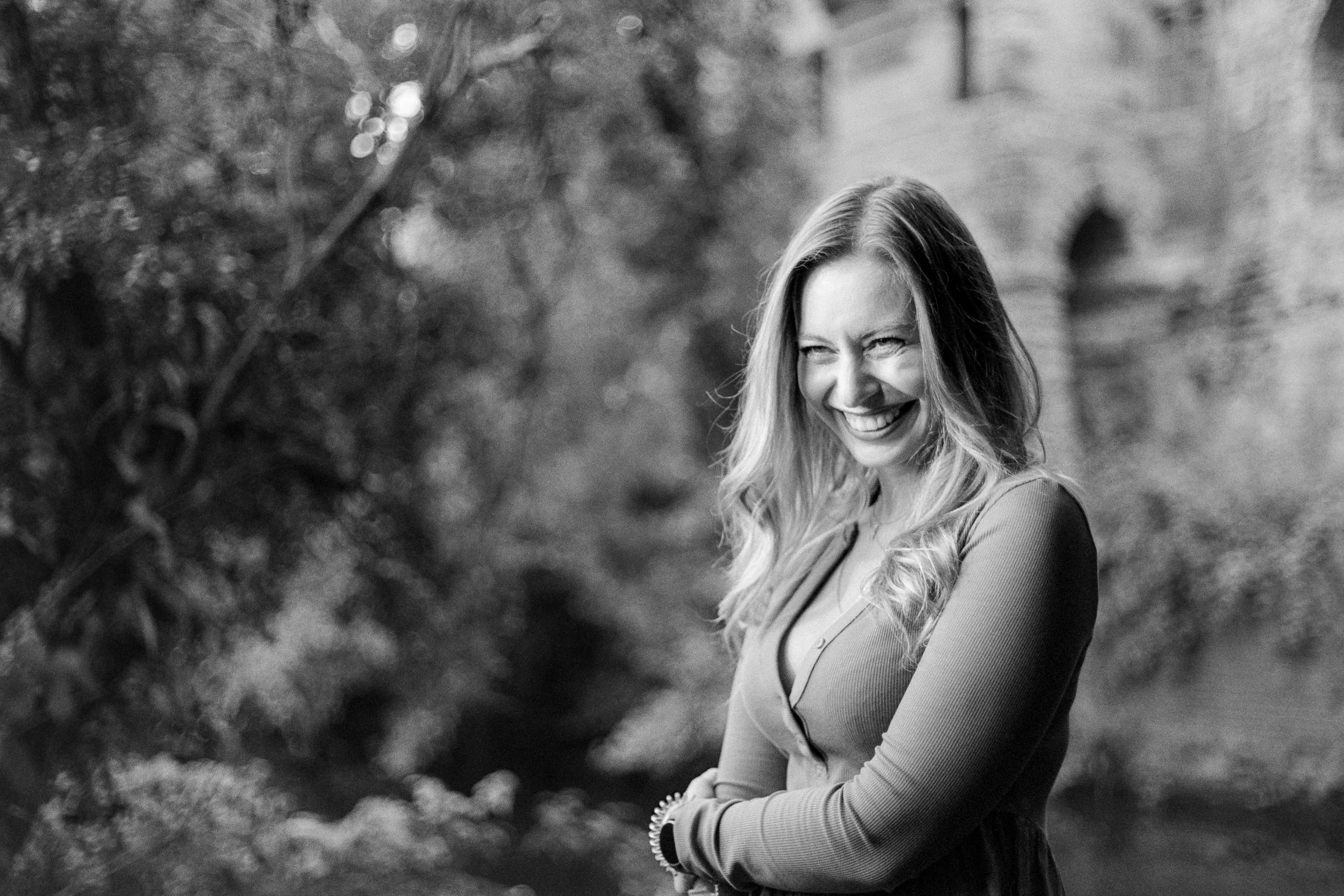
Cinematic Portraits on Location: The Anatomy of a Shoot
Most people think of portraits as studio headshots under flat lights. Safe, predictable, and forgettable. But a portrait doesn’t have to be like that. At Liquid Light Whisperer, every portrait session is cinematic. On location, I create not just an image, but a scene — a memory made real, captured on film.
This article walks you through exactly what happens when you book a cinematic portrait shoot with me, from the first call to the final photographs. If you’re considering a portrait session, this is what you can expect.
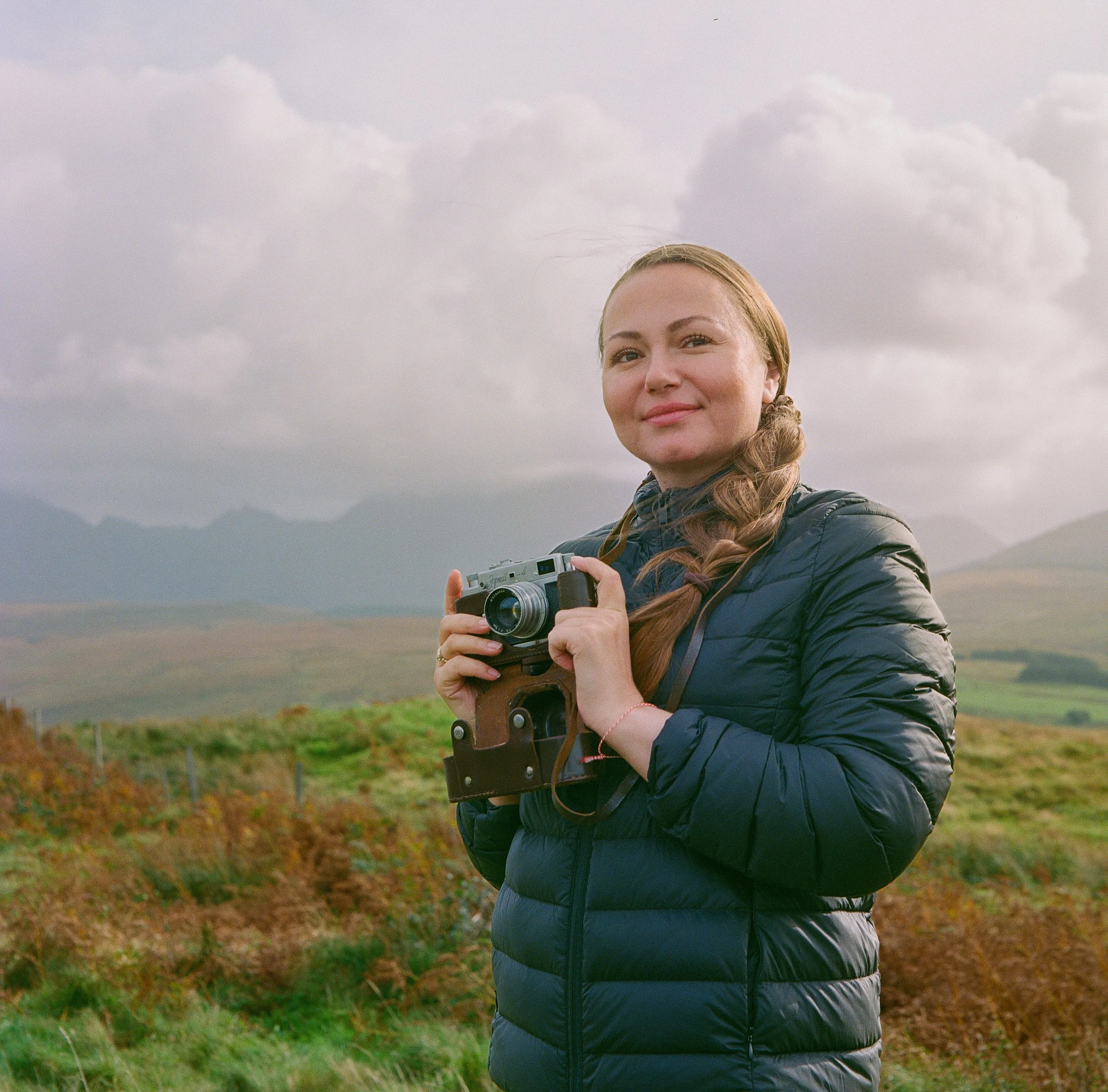
Film Photography: Authentic Portraits That Last a Lifetime
In today’s world, it’s easy to confuse digital editing with photography. Scroll through social media and you’ll see endless images smoothed, graded, and altered until the original moment is barely recognisable. That isn’t photography — it’s post-production. It’s editing.

Carl Zeiss Jena Pancolar 50mm f/1.8 Zebra Review — A Cinematic Classic with Radioactive Glow
There are vintage lenses you respect for their engineering, and then there are lenses you fall in love with because of how they render the world. The Carl Zeiss Jena Pancolar 50mm f/1.8 Zebra, in its radioactive 8-blade form from the late 1960s, is very much the latter. This is a lens that reminds you why character still matters — whether you’re shooting on film or adapting to digital.

Black and White Photography as Living Memory
For years, I thought colour was the best way to preserve memories. It felt modern, vivid, and real — the perfect match for the moments I wanted to hold on to. But colour doesn’t last the way we imagine.
Prints fade, slides shift, and digital colour grades fall out of fashion. What looked stylish a few years ago now feels dated. Even today’s digital RAW edits tied to popular “film look” presets eventually reveal themselves as fads.
Black and white is different.
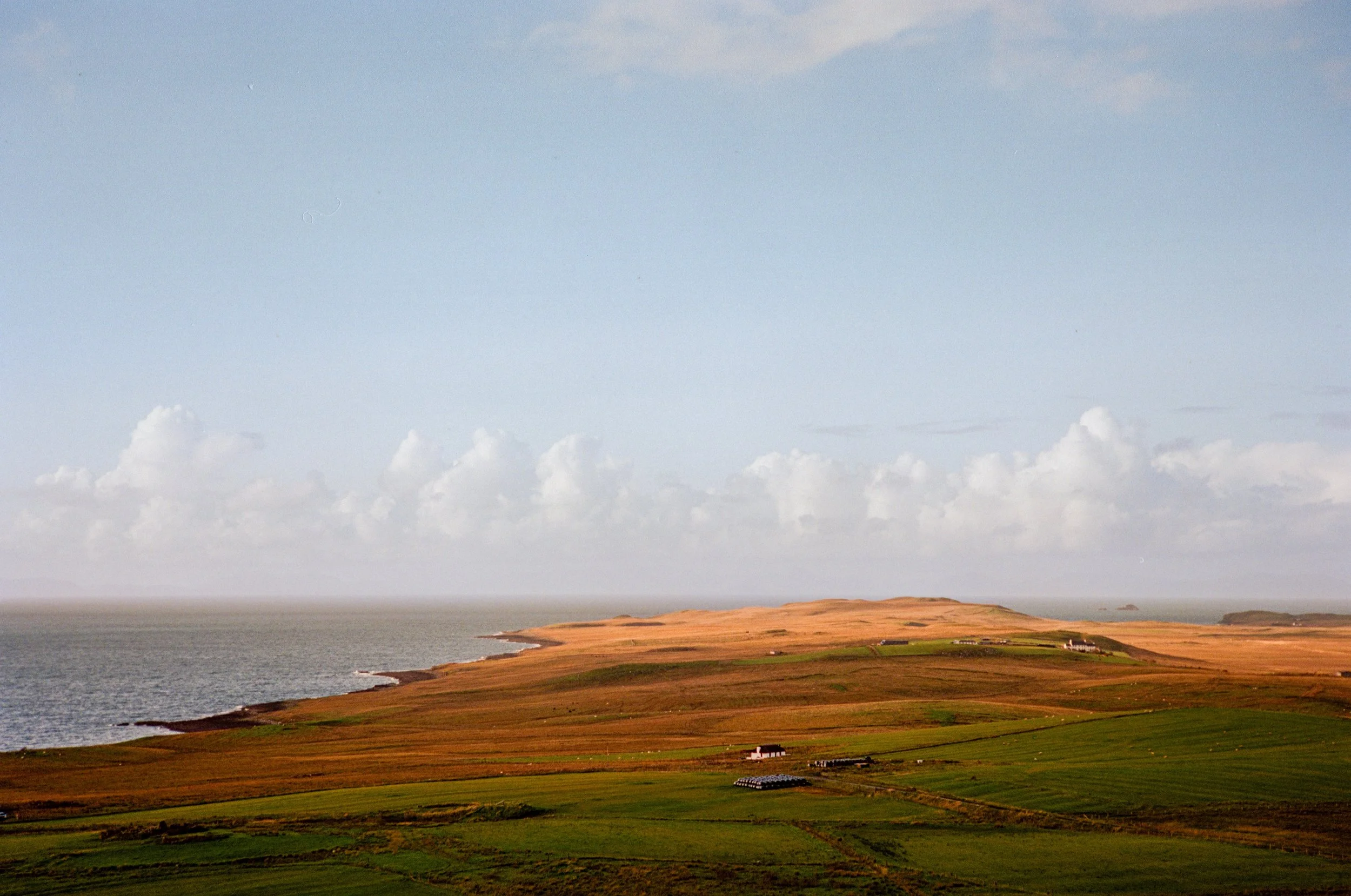
Why Resolution Matters: Getting the Most From Your Film Scans
Every frame of film is an investment. Whether it’s your wedding day, your child’s first steps, or a portrait you’ve carefully planned, that negative is unique and irreplaceable. The scan is what decides how much of it you’ll actually see.
Most labs don’t deliver the full potential of film. That’s why I built Liquid Light Lab — to give your negatives the scans they deserve, with no shortcuts.
Nationwide service: wherever you are in the UK — London, Manchester, Anglesey, Edinburgh, Orkney, Belfast — you can post your film directly to me and receive archival-quality scans back.
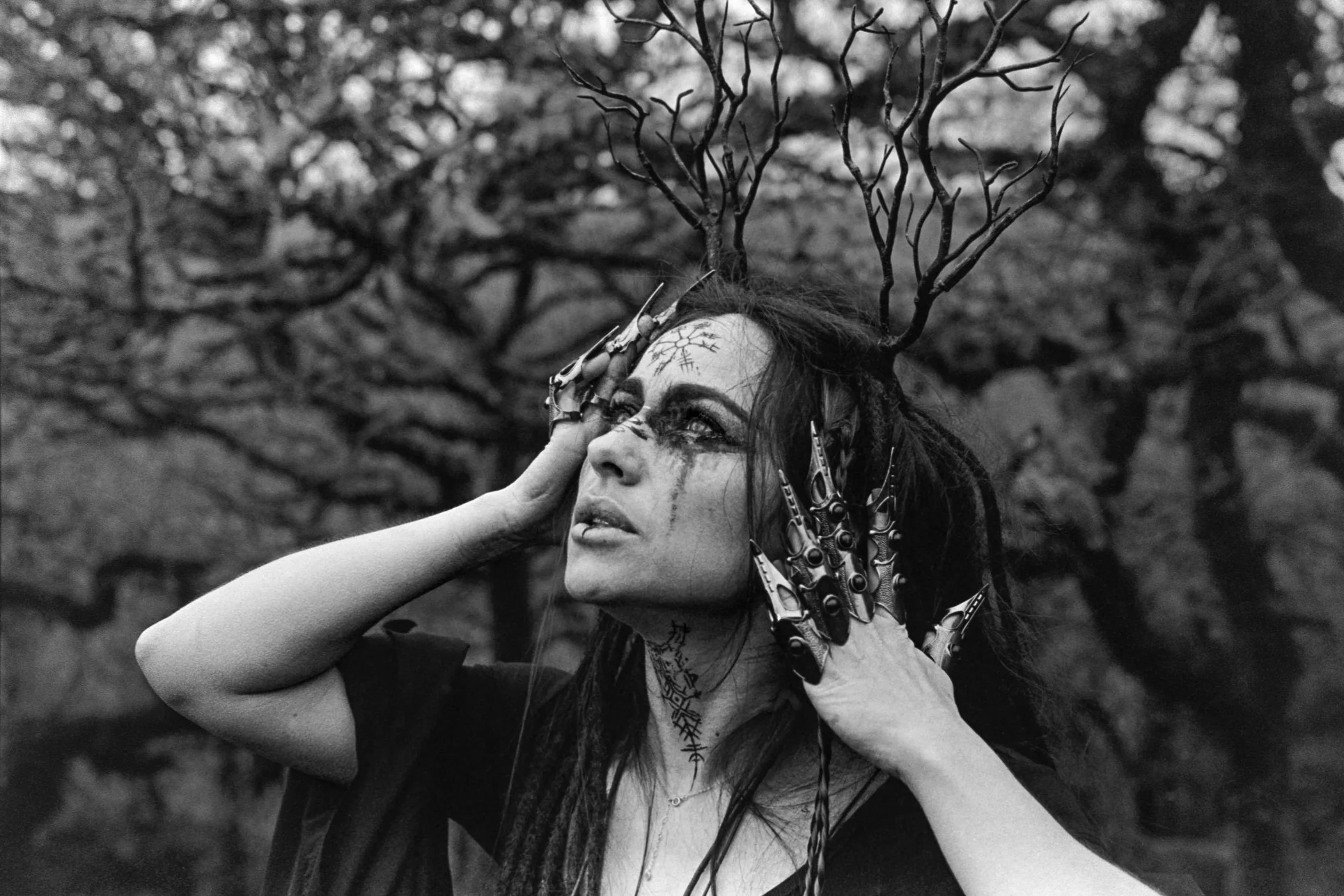
Working with Models on Film – Setting Expectations
Shooting with film doesn’t just change how a photographer works — it changes how a model experiences the shoot. For someone used to digital cameras firing hundreds of frames a minute, the film process feels different: slower, more deliberate, sometimes even unnerving at first.
That’s why setting expectations is crucial. When a model understands what film brings — the rhythm, the limitations, the rituals — it transforms the session from uncertainty into collaboration. At Liquid Light Whisperer, this conversation happens before the first roll is loaded, because trust is as important as light.

Why Film Photography Feels Alive in the Digital Era
Digital photography gave us precision, speed, and infinite repetition. It perfected the technical image — but in doing so, it stripped away something that analog never lost: a sense of life.
Film photography endures because it feels different. It slows us down, resists instant gratification, and produces images with texture and presence. In a world of disposable content, film stands out as something alive.
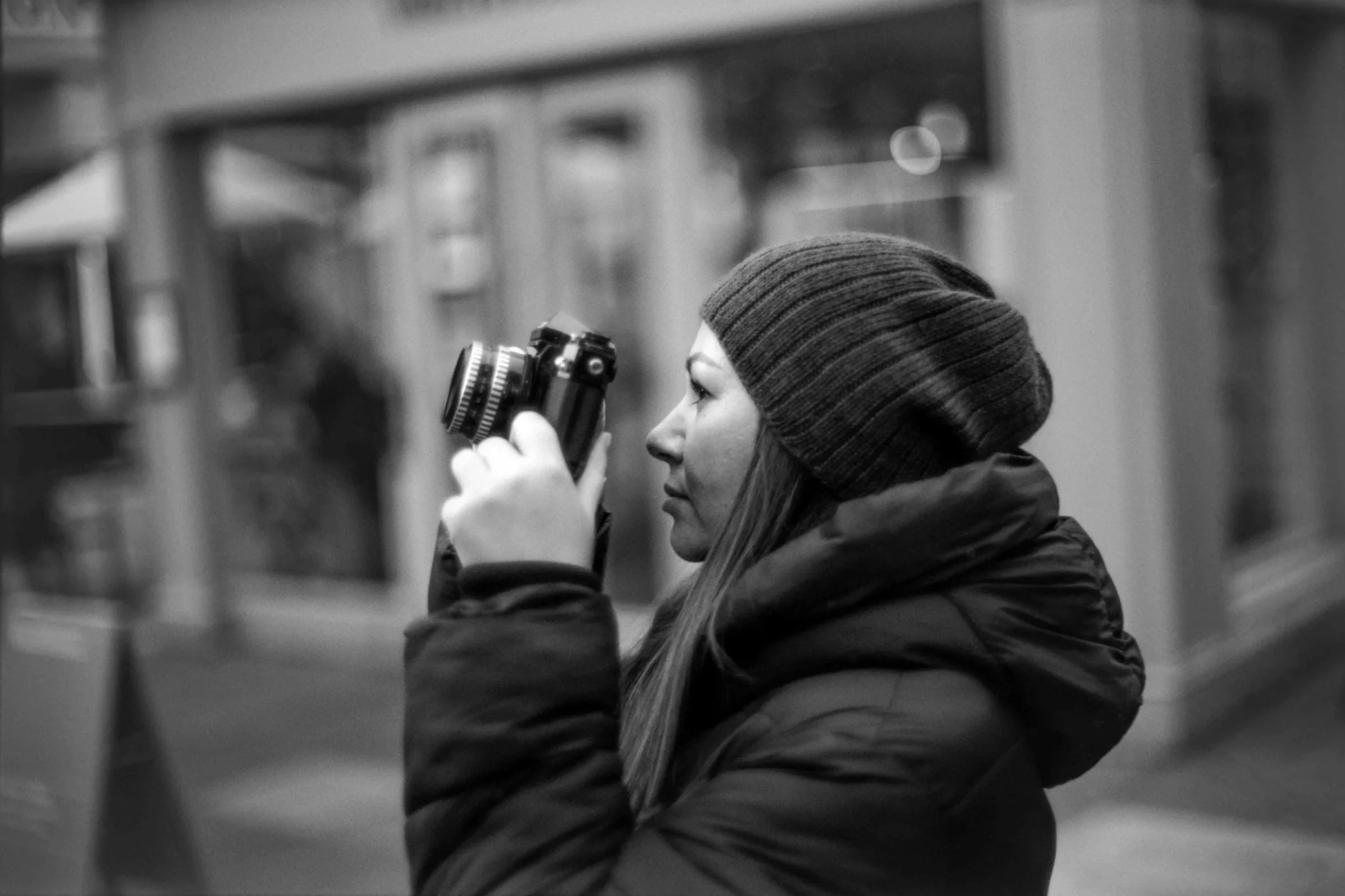
Announcing the Opening of Liquid Light Lab
I am pleased to announce the launch of Liquid Light Lab — a dedicated film processing service built for those who value craft, character, and precision in their analogue photography.
For years, I’ve been immersed in both sides of the photographic world — creating work with musicians, Hollywood actors, directors, and everyday clients who simply wanted something exceptional, and guiding fellow photographers through the nuances of analogue technique. Alongside this, I’ve refined my own approach to developing film — an approach rooted in consistency, detail, and the same artistic sensibility that runs through my photography.
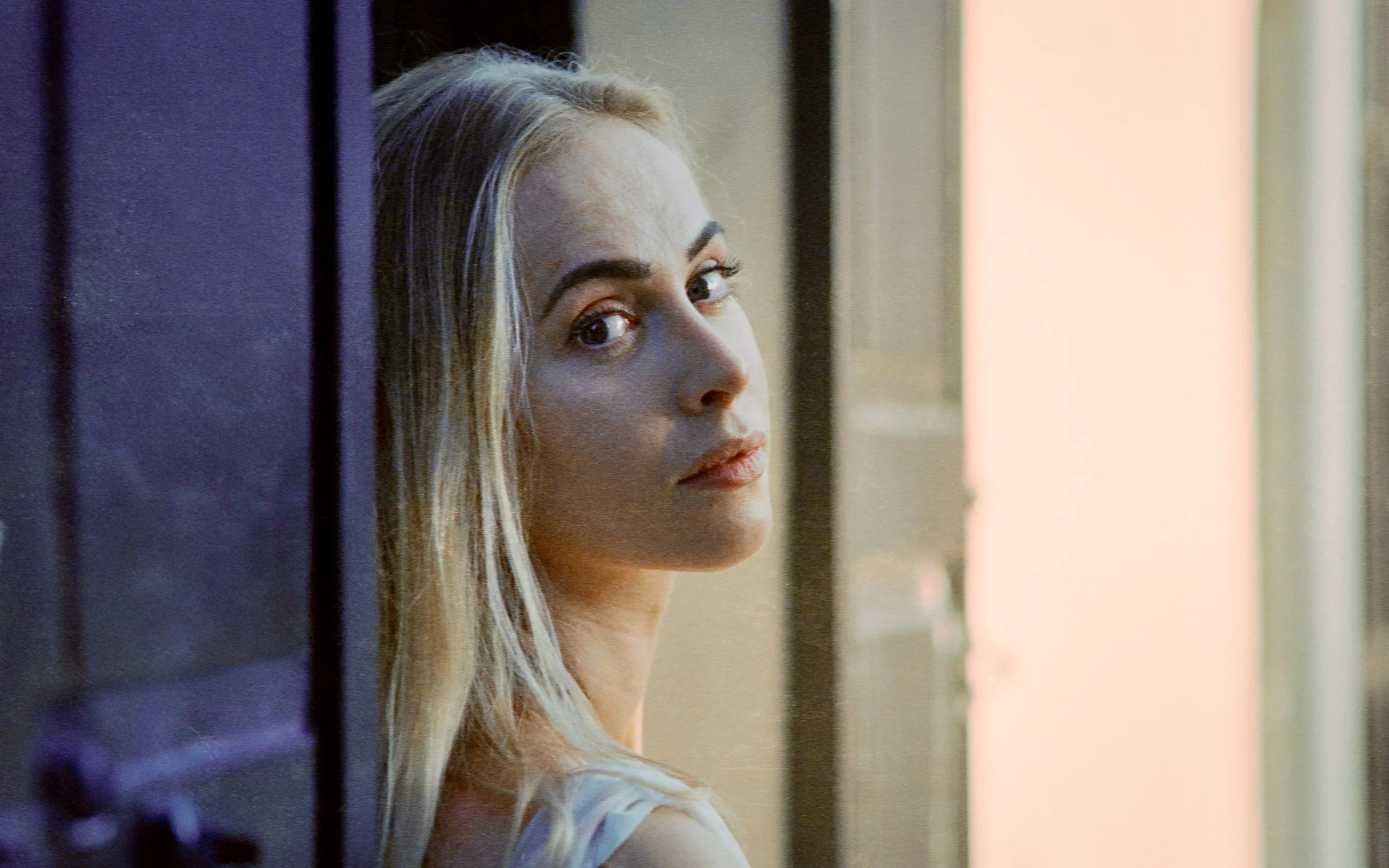
Lenses that Render Light Uniquely – Vintage Glass Magic
Where modern optics are designed to correct, suppress, and polish, older lenses allow light to express itself in ways that feel alive. The edges aren’t always sharp. The coatings flare in unpredictable halos. The bokeh swirls or doubles or melts away entirely. What many engineers considered flaws, photographers now treat as signatures — fingerprints left by history on light itself.

The Lomography Daylight Developing Tank — My Final Impressions.
It’s not every day that a company like Lomography asks you to test a prototype. When their team invited me to run the new Daylight Developing Tank through its paces, I was genuinely pleased. Lomography has long been at the heart of keeping film culture alive worldwide, and being part of their R&D process — before the public even got a glimpse — was a privilege.
The result was a set of articles about my experience published across their international network in four languages.
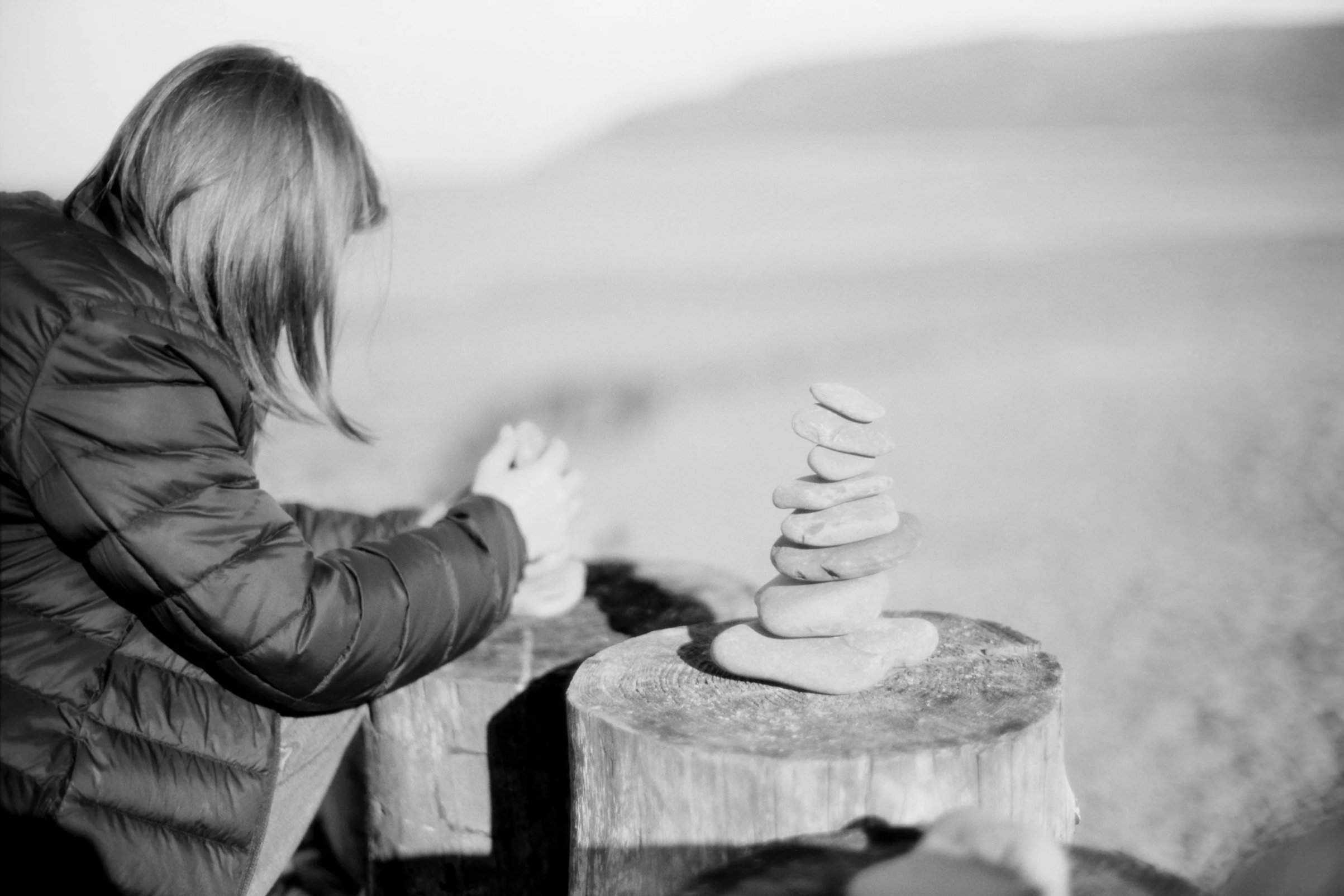
Analogue as Memory – Why Negatives Outlast the Cloud
When an image is exposed on film, it isn’t yet a photograph. It lives invisibly in the emulsion, suspended between existence and nothingness — a latent ghost of light. At this stage it can still be erased, fogged, or lost entirely, but it is there, waiting. Only when it meets developer does it reveal itself, and only when it meets fixer is it frozen forever. That alchemy — the moment when something ephemeral becomes permanent — is what makes film different. Memory doesn’t just appear; it is conjured, stabilised, and preserved.

The AGO Film Processor – A Modern Workhorse for Analogue Photographers
The AGO Film Processor bridges home development and lab-level consistency. From 510 Pyro to C-41 and ECN-2, it saves chemistry, compensates for temperature drift, and delivers repeatable, professional results at home. Not perfect, but a game-changer for anyone serious about film developing.

A Timeless Developer for Modern Eyes: 510 Pyro Review
Pyro-based developers have a rich history dating back to the very origins of photography in the 1830s. Early photographic pioneers in England—including William Henry Fox Talbot—experimented with gallic acid and its derivatives, such as pyrogallol (the chemical foundation of pyro developers).
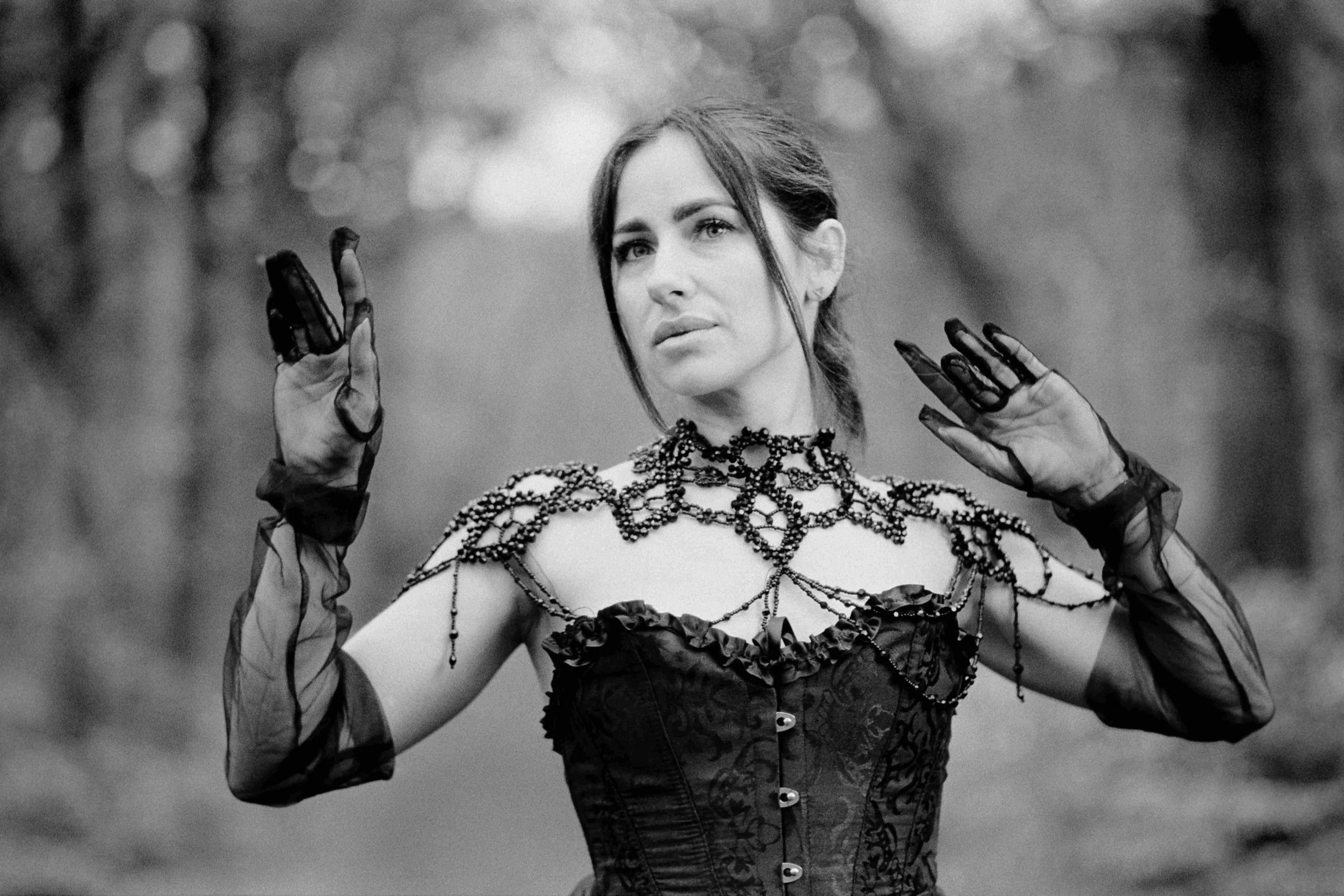
Lomography Daylight Development Tank – Prototype Review
Lomography UK recently reached out to me with an exciting proposition: test and review a prototype of their new Daylight Development Tank.
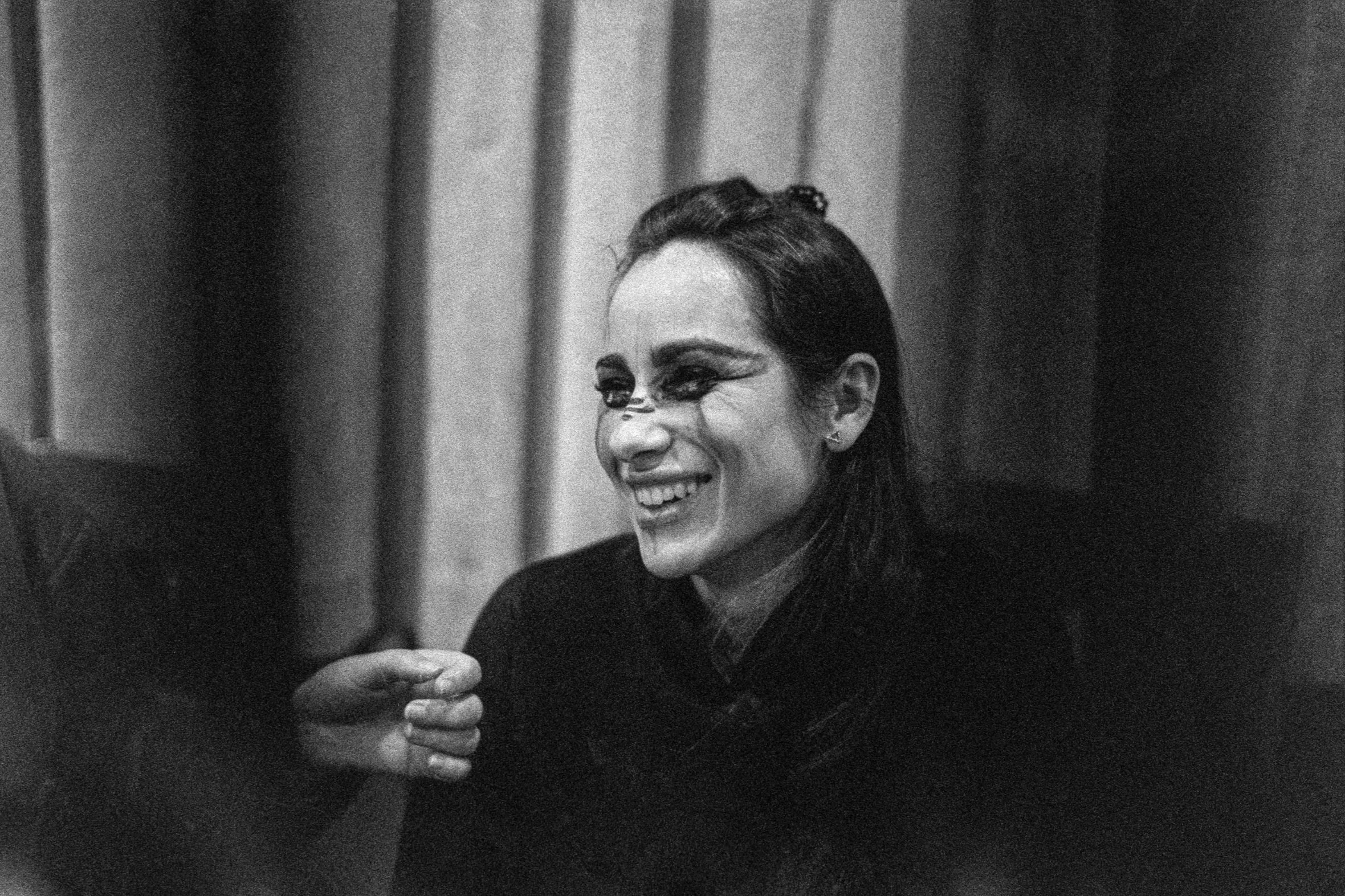
Ilford Delta 3200 Review: A Timeless Embrace of Shadow, Grain, and Mood
Ilford Delta 3200 has long been my film of choice for capturing intimate, atmospheric moments in low-light scenarios. There is an unmistakable magic that emerges when you push a high-ISO black-and-white emulsion like Delta 3200 to its limits.

A Film Photography Adventure with Craig Sheffer
Every great journey begins with a spark. In this case, it started as a simple phone call: Craig Sheffer—star of A River Runs Through It, directed by Robert Redford and co-starring Brad Pitt—invited me on a road trip to commemorate the film’s 30th anniversary.
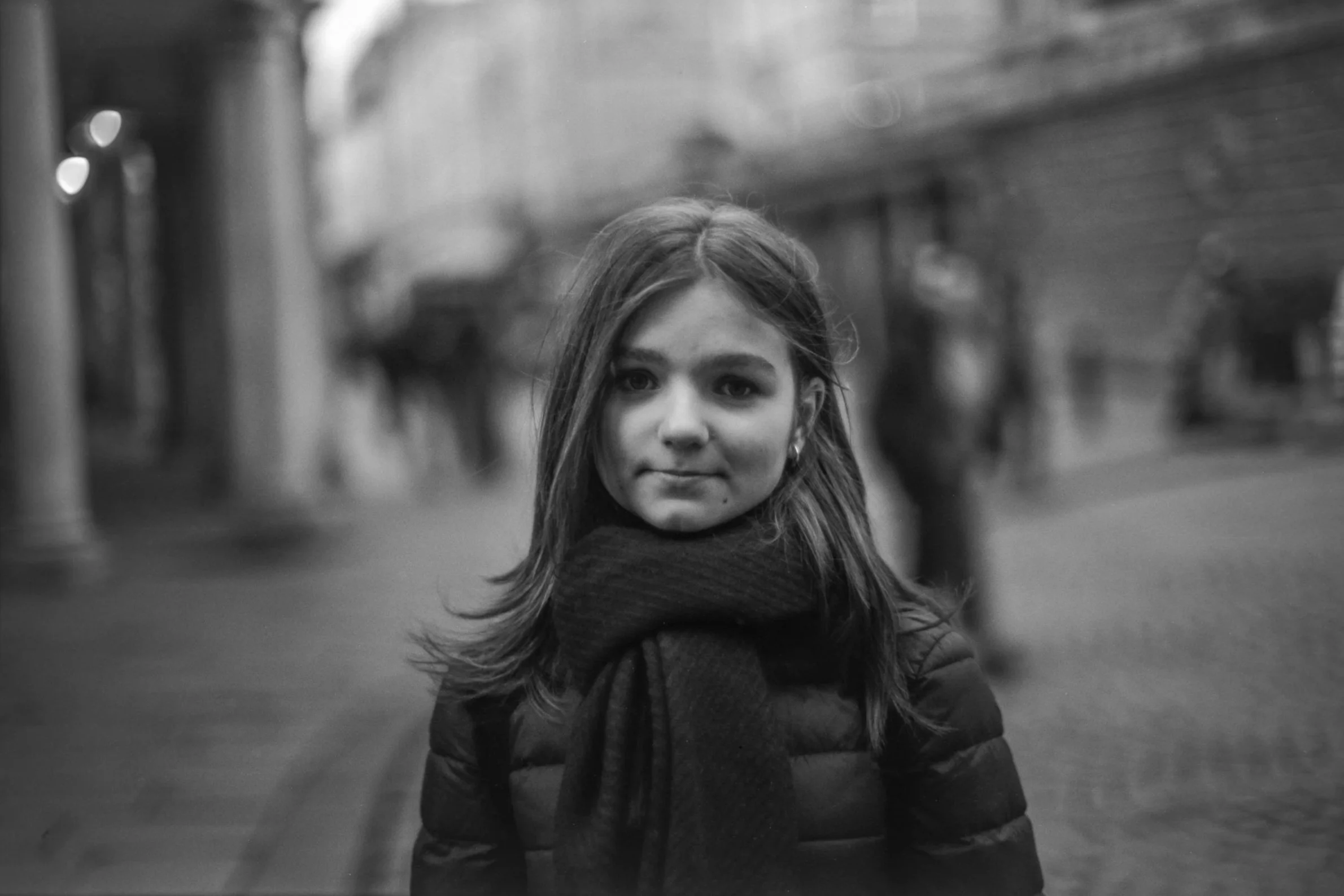
Lomography Babylon 13 at ISO 6: Exploring Ultra-Low-Speed Mastery with a Leica M3 and 510 Pyro
Lomography’s Babylon 13 is already known as a strikingly low ISO black-and-white film, but pushing it further by rating it at ISO 6—or even ISO 3—invites a whole new level of experimentation for those of us who love the slow, methodical pace of analogue photography.

Leica’s Legendary Craftsmanship: From Barnack’s Vision to the M5 and M6.
Leica’s Legendary Craftsmanship: From Barnack’s Vision to the M6. From the full frame size of a digital sensor, to 36 rolls of film in a cannister - 35mm photography begins with Oskar Barnack.

The Creation of 35mm Photography: Oskar Barnack’s Vision and the Leica Legacy
From the earliest days of photography, cameras were hefty, complicated devices. Plates were large and unwieldy, limiting both portability and the opportunities to shoot spontaneously. Oskar Barnack (1879–1936), an ingenious optical engineer at Ernst Leitz Wetzlar in Germany, would change all of that forever.