

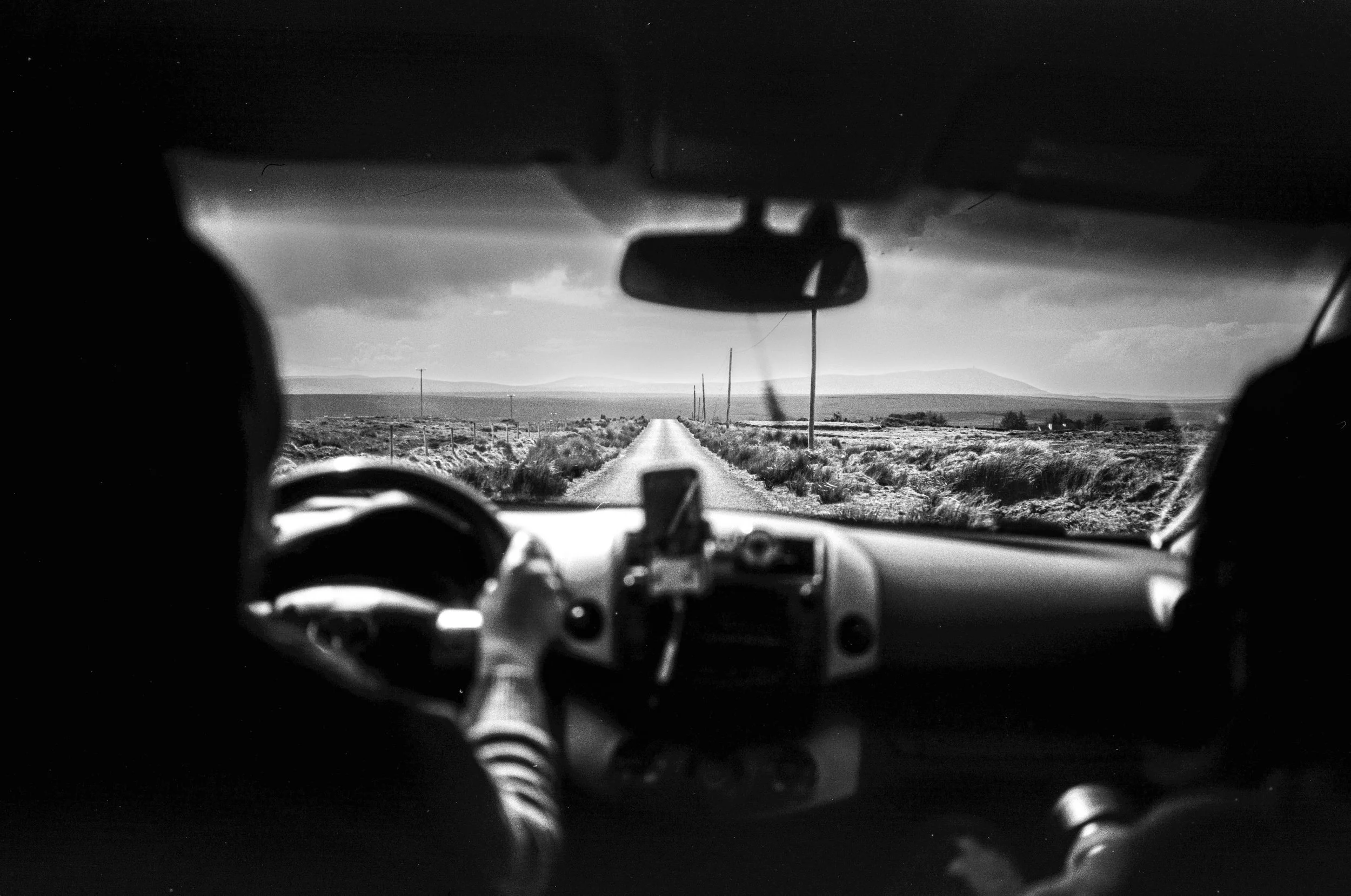
Push and Pull Film Processing: How Development Time Shapes Tonality, Density, and Cinematic Rendering
Many photographers assume push and pull decisions only occur inside the camera, but metering differently is only the first half of the process. The exposure placed on the film creates the latent image, and then the lab determines whether that image becomes fully usable or collapses in the extremes. Rating Portra 400 at 1600, for example, under-exposes the film by two stops. The film does not become a 1600-speed stock; it simply receives less light. The tonal behaviour associated with pushing—deeper shadows, higher contrast, more pronounced grain—emerges in development, not at the moment of exposure. Pulling works the same way. Over-exposing the film provides additional highlight information, but only reduced development time preserves that latitude. Push and pull are therefore collaborative acts: the photographer controls exposure, and the lab controls interpretation.

Cinematic Portraits on Film – Chesterton Windmill, Leamington Spa, Warwickshire, West Midlands
Chesterton Windmill is a setting that behaves almost like a stage. It stands alone above Leamington Spa, a solitary architectural structure surrounded by uninterrupted landscape, and this isolation gives it a rare cinematic profile. For portrait photographers working across Warwickshire, the West Midlands and the Cotswolds, it is one of the few local landmarks that retains a sense of timelessness — and at sunset, it becomes even more atmospheric. For this portrait session with Olga, the rhythm of the falling sun controlled everything. Forty-five minutes from start to finish meant two rolls of film, no resets, no time to revise angles, and no spare exposures. Everything had to be prepared, executed and adapted fast.

Pyro Film Development with Zone Imaging 510 Pyro: The Liquid Light Lab Approach
There are few developers that define the tonal language of black and white film the way Pyro does. It’s one of the most advanced formulations ever created — prized for smooth highlights, long tonal transitions, and a calm, sculptural rendering of light.

The AGO Film Processor – A Modern Workhorse for Analogue Photographers
The AGO Film Processor bridges home development and lab-level consistency. From 510 Pyro to C-41 and ECN-2, it saves chemistry, compensates for temperature drift, and delivers repeatable, professional results at home. Not perfect, but a game-changer for anyone serious about film developing.

Lomography Daylight Development Tank – Prototype Review
Lomography UK recently reached out to me with an exciting proposition: test and review a prototype of their new Daylight Development Tank.
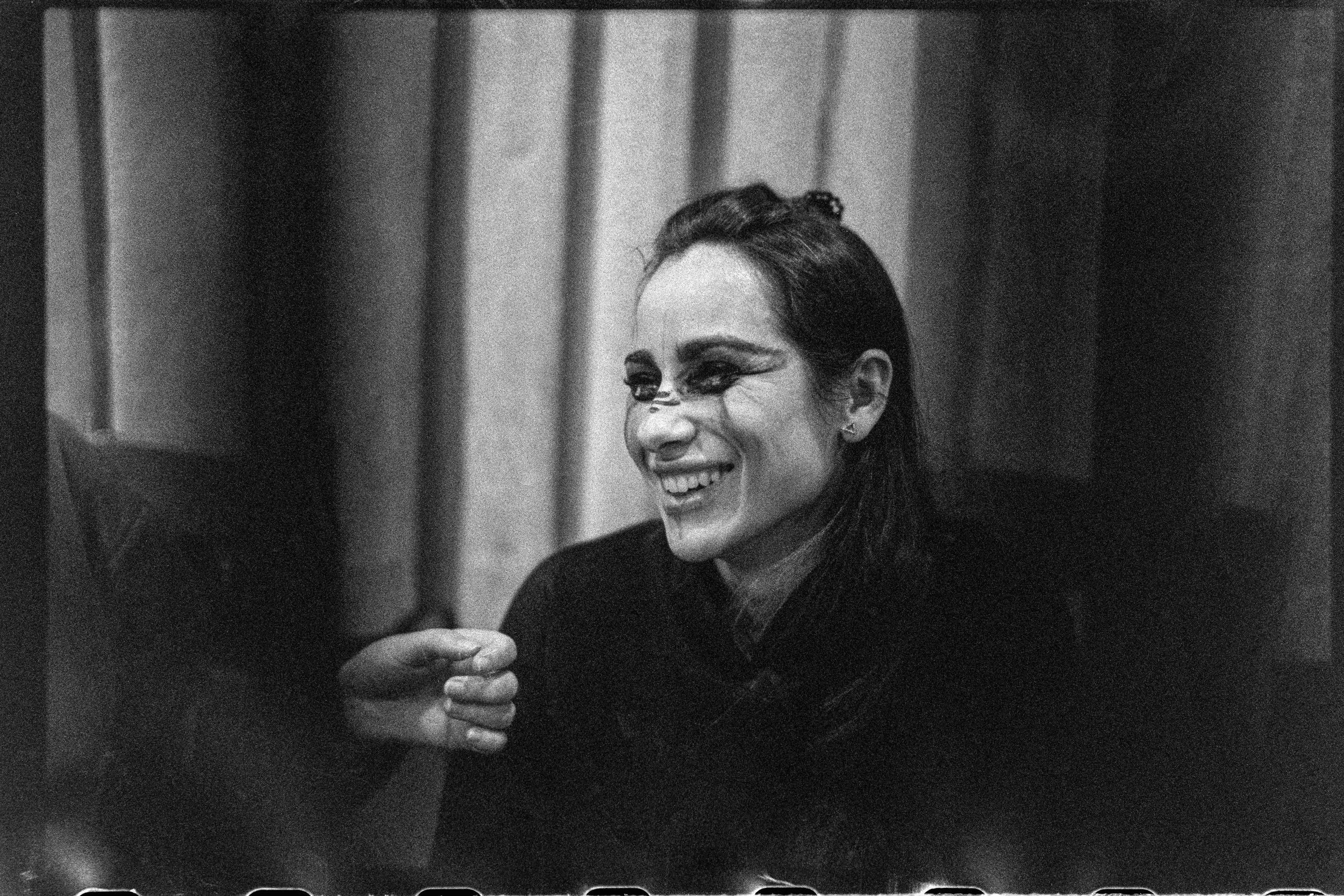
Ilford Delta 3200 Review: A Timeless Embrace of Shadow, Grain, and Mood
Ilford Delta 3200 has long been my film of choice for capturing intimate, atmospheric moments in low-light scenarios. There is an unmistakable magic that emerges when you push a high-ISO black-and-white emulsion like Delta 3200 to its limits.

Lomography Babylon 13 at ISO 6: Exploring Ultra-Low-Speed Mastery with a Leica M3 and 510 Pyro
Lomography’s Babylon 13 is already known as a strikingly low ISO black-and-white film, but pushing it further by rating it at ISO 6—or even ISO 3—invites a whole new level of experimentation for those of us who love the slow, methodical pace of analogue photography.