

Push and Pull Film Processing Explained
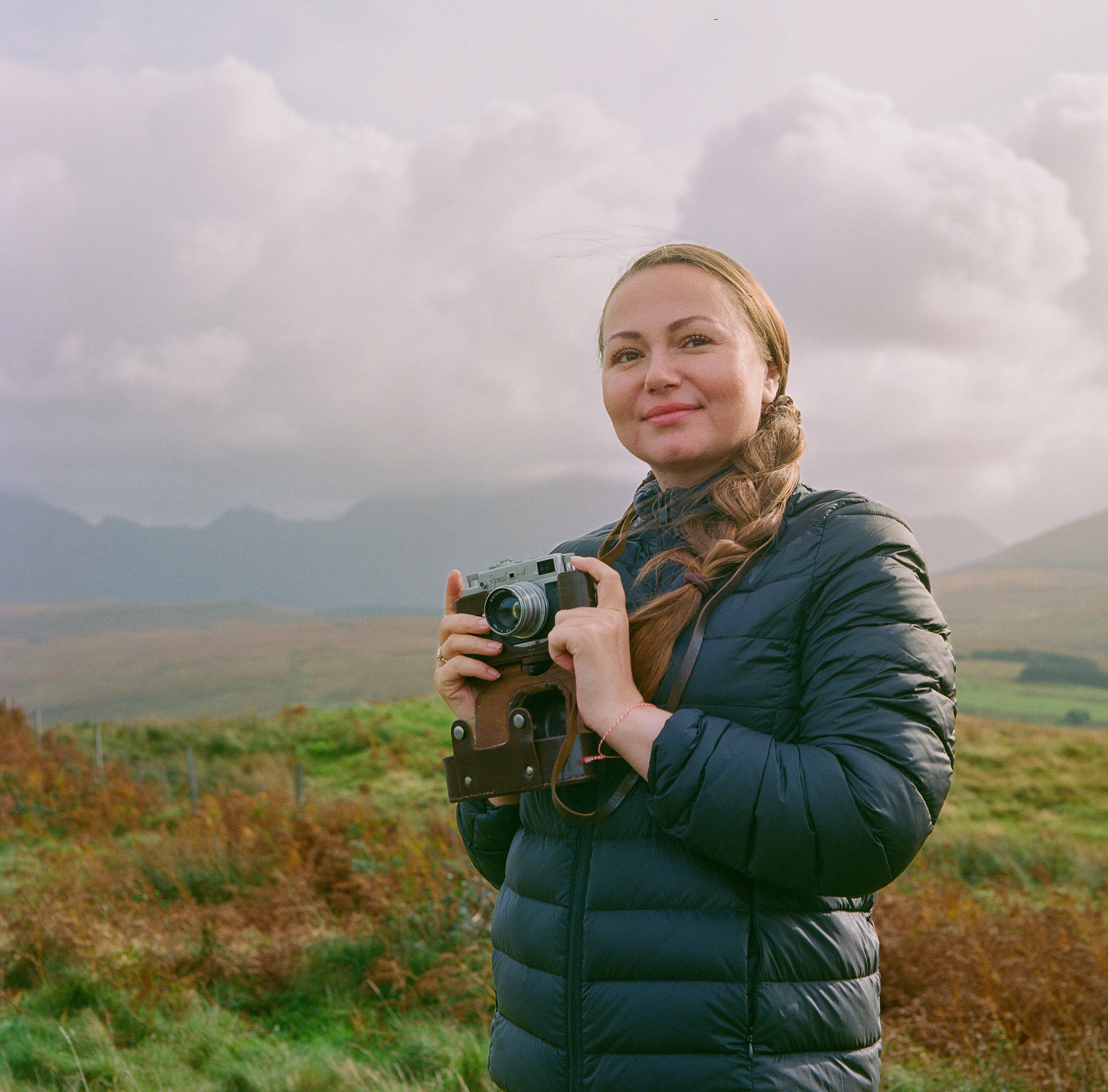
Pulled two stops to ISO 100, this frame shows how Lomography 400 softens under reduced development. The highlights remain open, the colour stays clean, and the tonal transitions reflect the precision of Liquid Light Lab’s fresh-chemistry workflow.
Push and pull film processing changes the way a negative is developed after exposure. It is one of the most effective ways to shape density, contrast, highlight behaviour, and tonal separation in film, but it only works when exposure and development are treated as one decision.
This guide explains how push and pull processing works across C-41, ECN-2, and black and white film, and how Liquid Light Lab handles push and pull processing in the UK through fresh chemistry, precise timing, and high-dynamic-range scanning.
What Push and Pull Processing Is
Push processing means exposing film at a higher exposure index than its rated speed, then extending development to compensate. Pull processing means exposing film at a lower exposure index than its rated speed, then reducing development to suit.
This is where confusion often begins. If a roll of ISO 400 film is metered at 800 but developed normally, that is underexposure, not push processing. If a roll of ISO 400 film is metered at 200 but developed normally, that is overexposure, not pull processing. Push and pull only become real when development is changed to match the exposure decision.
For photographers sending film to Liquid Light Lab, that means the requested push or pull is added easily during the order process.
Why Photographers Push or Pull Film
Photographers push film when they need more effective speed or want a denser, more contrast-driven negative. They pull film when they want to restrain contrast, protect highlights, or keep the tonal structure more open where exposure conditions allow it.
These are not cosmetic adjustments added after the fact. They change the way the negative is built in development, which is why push and pull processing belongs in the lab workflow, not only in camera-side exposure choices.
How Pushed and Pulled Film Behaves
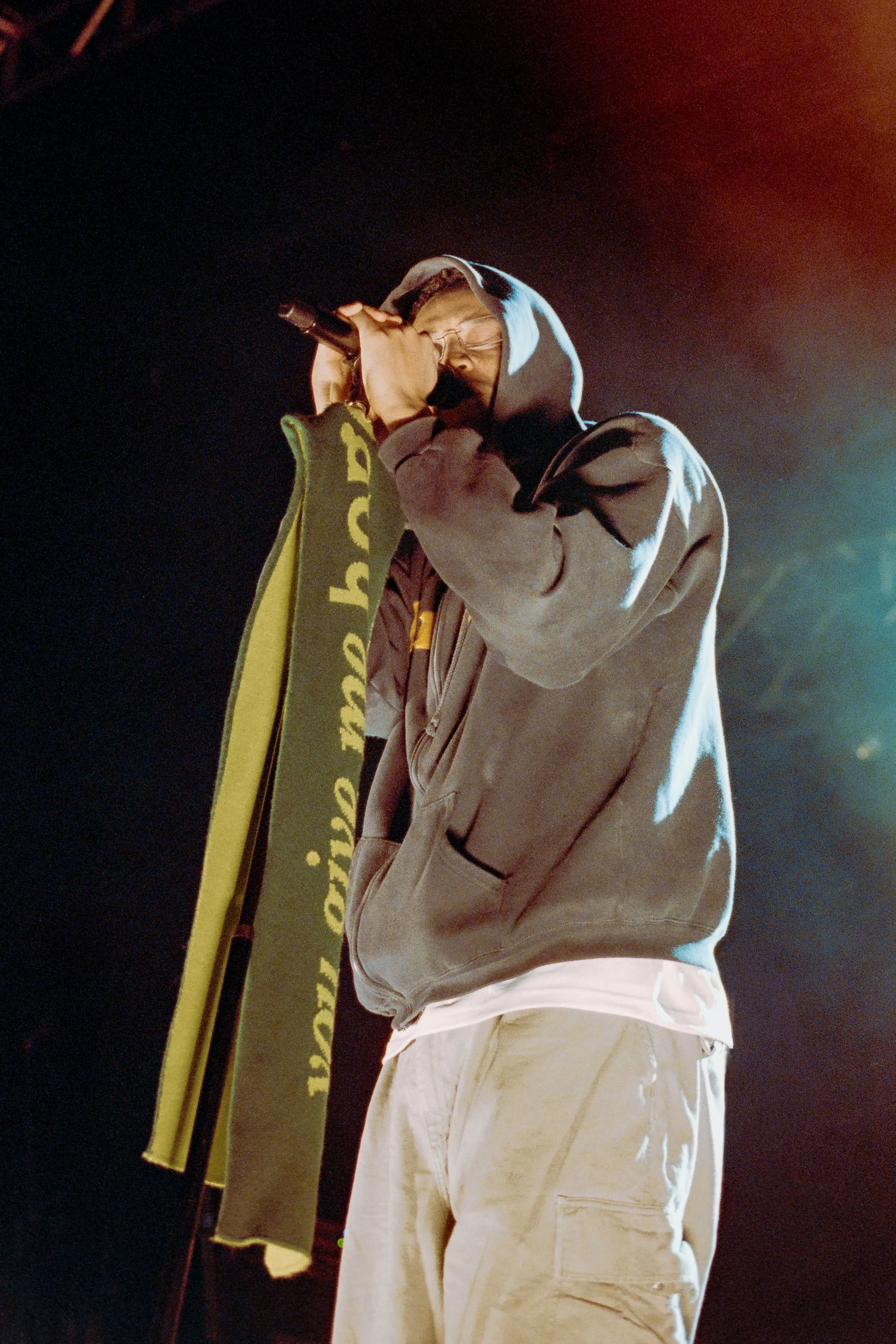
Kodak Portra 400 pushed two stops to ISO 1600. Extended development builds density in the shadows while keeping the colour stable under stage lighting, shaped through Liquid Light Lab’s fresh-chemistry workflow. Image kindly supplied by Liquid Light Lab customer Jay West, @jxywst.
Pushed film usually shows increased contrast, stronger density in the upper tonal range, firmer highlight behaviour, and more prominent grain or grain structure. It does not create shadow information that was never exposed. What it does is build the exposed parts of the negative more assertively and change the way the result scans or prints.
Pulled film usually shows lower contrast, more open highlight handling, and smoother movement through the tonal scale. When exposure has been given generously, pulling can produce negatives that scan with excellent flexibility and cleaner separation through brighter regions.
Typical adjustments are often made in one-stop increments. A one-stop push or pull is common. Two stops may work well with the right stock and purpose. Beyond that, results become increasingly stock-dependent and demand more from both processing and scanning.
C-41, ECN-2 and Black and White Differences
Push and pull behaviour is not identical across all film types. C-41 colour negative film, ECN-2 motion-picture film, and black and white film respond differently because they are built differently and processed differently.
With C-41 colour negative film, pushing usually increases contrast and density while tightening the negative’s overall behaviour. Pulling can open the negative and restrain contrast, though the usefulness depends heavily on the stock and the scene.
With ECN-2 motion-picture film, the behaviour is often more controlled and more flexible because these stocks were designed with broad tonal range and grading latitude in mind. Vision3 motion-picture film in particular responds well when handled carefully, but it still needs process discipline. The existing links to Vision3 negative and to the note that ECN-2 Vision3 stocks were engineered for cinema should remain here.

Kodak Double-X pushed one stop, photographed on the Leica M5. The extended development lifts the midtones and tightens the contrast while the film’s highlight structure remains intact, shaped through Liquid Light Lab’s fresh-chemistry workflow.
With black and white film, push and pull decisions can be even more expressive because the relationship between developer, agitation, exposure, and tonal design is more visibly tied to the final negative. At Liquid Light Lab, black and white work is handled with process control suited to the stock and the intended result, including specialist chemistry such as 510 Pyro where appropriate.
When Push or Pull Processing Makes Sense
Push processing makes sense when the scene demands more effective speed than the film would otherwise give, or when the visual aim benefits from stronger contrast and denser upper values. Pull processing makes sense when the negative has been given more exposure and the aim is to control density and keep tonal behaviour more open.
The decision should begin with the scene and the intended negative, not with habit. Push and pull are useful because they make development part of the photographic decision rather than leaving the roll to a generic process.
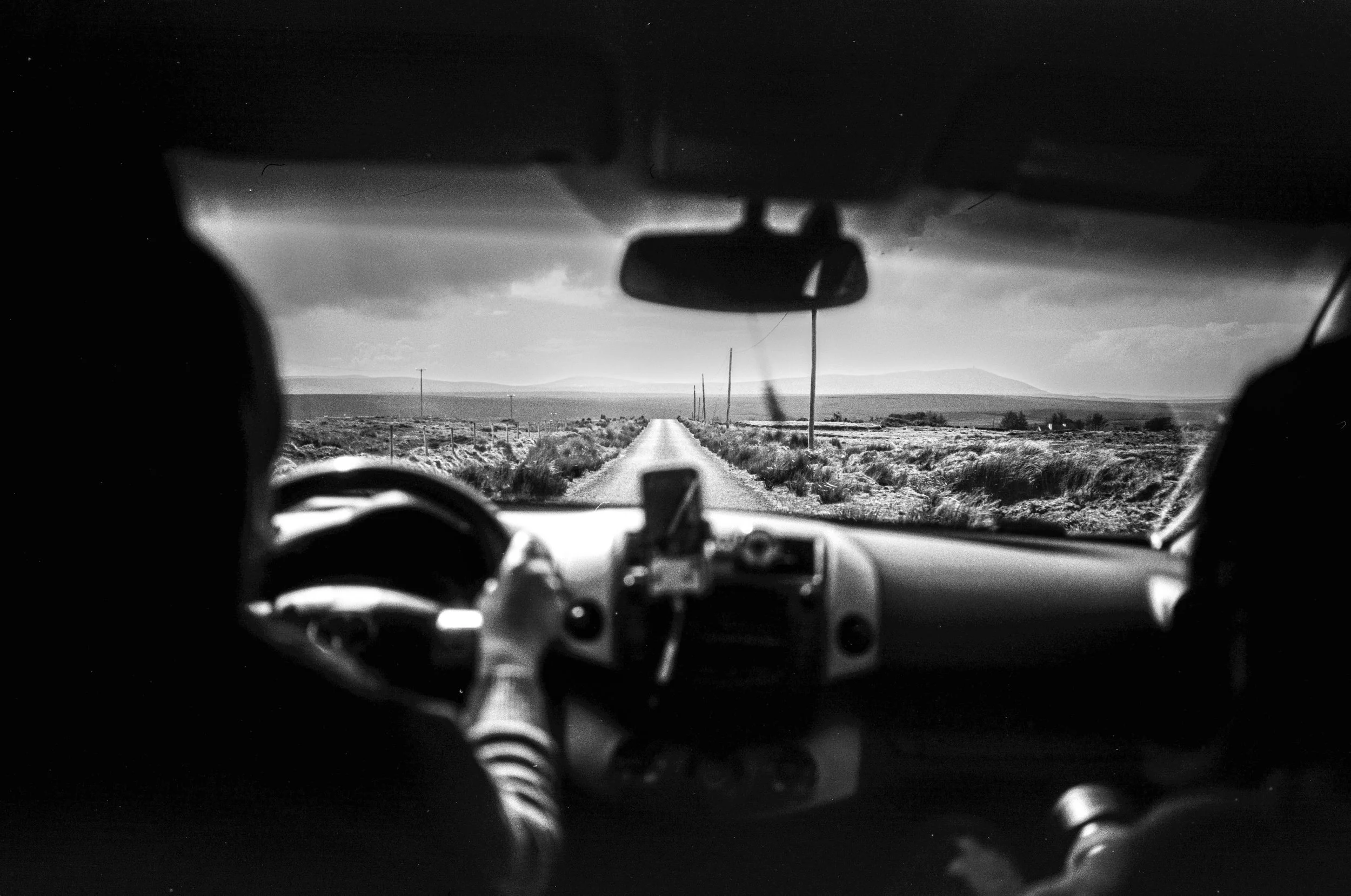
Babylon 13 pulled one stop to ISO 6. Reducing development softens the contrast and preserves the highlights across the landscape, giving this road scene a long tonal scale shaped entirely in Liquid Light Lab’s fresh-chemistry workflow.
How Liquid Light Lab Handles Push and Pull Processing
At Liquid Light Lab, push and pull processing is handled as a controlled lab decision, not as a generic add-on. That means fresh chemistry, stable timing, process-appropriate agitation, and scanning designed to read the resulting negative properly rather than flattening it into standardised retail-style output.
This matters because a pushed or pulled negative does not behave like a normally processed roll. It carries a different density structure, different contrast behaviour, and different highlight and shadow demands. If chemistry is tired, timing is loose, or the scan is generic, the result will not show the value of the development decision clearly.
Liquid Light Lab processes C-41 colour negative, ECN-2 motion-picture film, and black and white film with the requested adjustment, then scans the negative at high bit depth so the tonal structure built in development is carried through properly into the delivered files. Keep the existing service links here to C-41 colour negative, ECN-2 motion-picture stock, and black and white film.
What Clients Receive
Clients receive negatives processed to the requested push or pull specification, then scanned through the lab’s high-dynamic-range Liquid Light Chamber workflow as 16-bit TIFF files and full-resolution JPEGs.
That matters particularly with pushed and pulled negatives because their tonal behaviour is often more demanding than standard processing. A scan that compresses highlights, simplifies density, or clips tonal transitions weakens the whole point of the processing decision.
Push and Pull Film Processing in the UK
If you need push and pull film processing in the UK, Liquid Light Lab offers that service directly for C-41, ECN-2, and black and white film.
When placing an order, simply select the requested push in the order and we will do the rest. That gives the lab the information needed to complete your development correctly.

Kodak Aerocolor 100 pulled one stop to ISO 50. Reducing development softens the contrast and opens the highlights, giving the frame a smoother tonal register shaped through Liquid Light Lab’s fresh-chemistry workflow.
Conclusion
Push and pull film processing is one of the most effective ways to shape the negative after exposure, but it only works when exposure and development are treated as one decision. Done well, it changes density, contrast, tonal separation, and rendering in ways that are visible in both the negative and the final file.
That is why the lab matters. Push and pull are not just theoretical concepts. They are processing instructions that need to be handled correctly in the lab.
By Martin Brown | Liquid Light Whisperer
All images in this article developed in the Liquid Light Lab.