

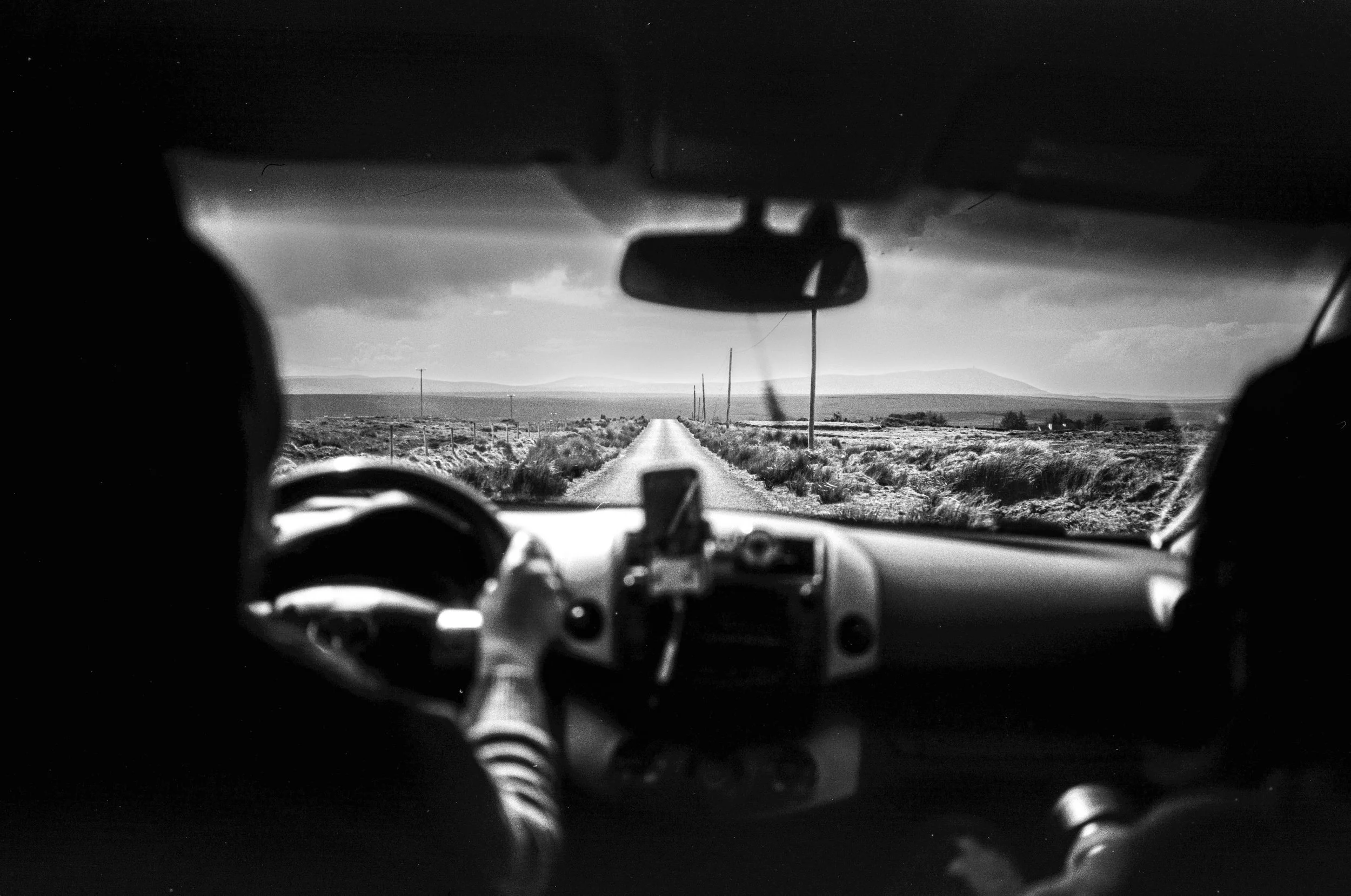
Push and Pull Film Processing: How Development Time Shapes Tonality, Density, and Cinematic Rendering
Many photographers assume push and pull decisions only occur inside the camera, but metering differently is only the first half of the process. The exposure placed on the film creates the latent image, and then the lab determines whether that image becomes fully usable or collapses in the extremes. Rating Portra 400 at 1600, for example, under-exposes the film by two stops. The film does not become a 1600-speed stock; it simply receives less light. The tonal behaviour associated with pushing—deeper shadows, higher contrast, more pronounced grain—emerges in development, not at the moment of exposure. Pulling works the same way. Over-exposing the film provides additional highlight information, but only reduced development time preserves that latitude. Push and pull are therefore collaborative acts: the photographer controls exposure, and the lab controls interpretation.

Cinematic Portraits on Film – Chesterton Windmill, Leamington Spa, Warwickshire, West Midlands
Chesterton Windmill is a setting that behaves almost like a stage. It stands alone above Leamington Spa, a solitary architectural structure surrounded by uninterrupted landscape, and this isolation gives it a rare cinematic profile. For portrait photographers working across Warwickshire, the West Midlands and the Cotswolds, it is one of the few local landmarks that retains a sense of timelessness — and at sunset, it becomes even more atmospheric. For this portrait session with Olga, the rhythm of the falling sun controlled everything. Forty-five minutes from start to finish meant two rolls of film, no resets, no time to revise angles, and no spare exposures. Everything had to be prepared, executed and adapted fast.
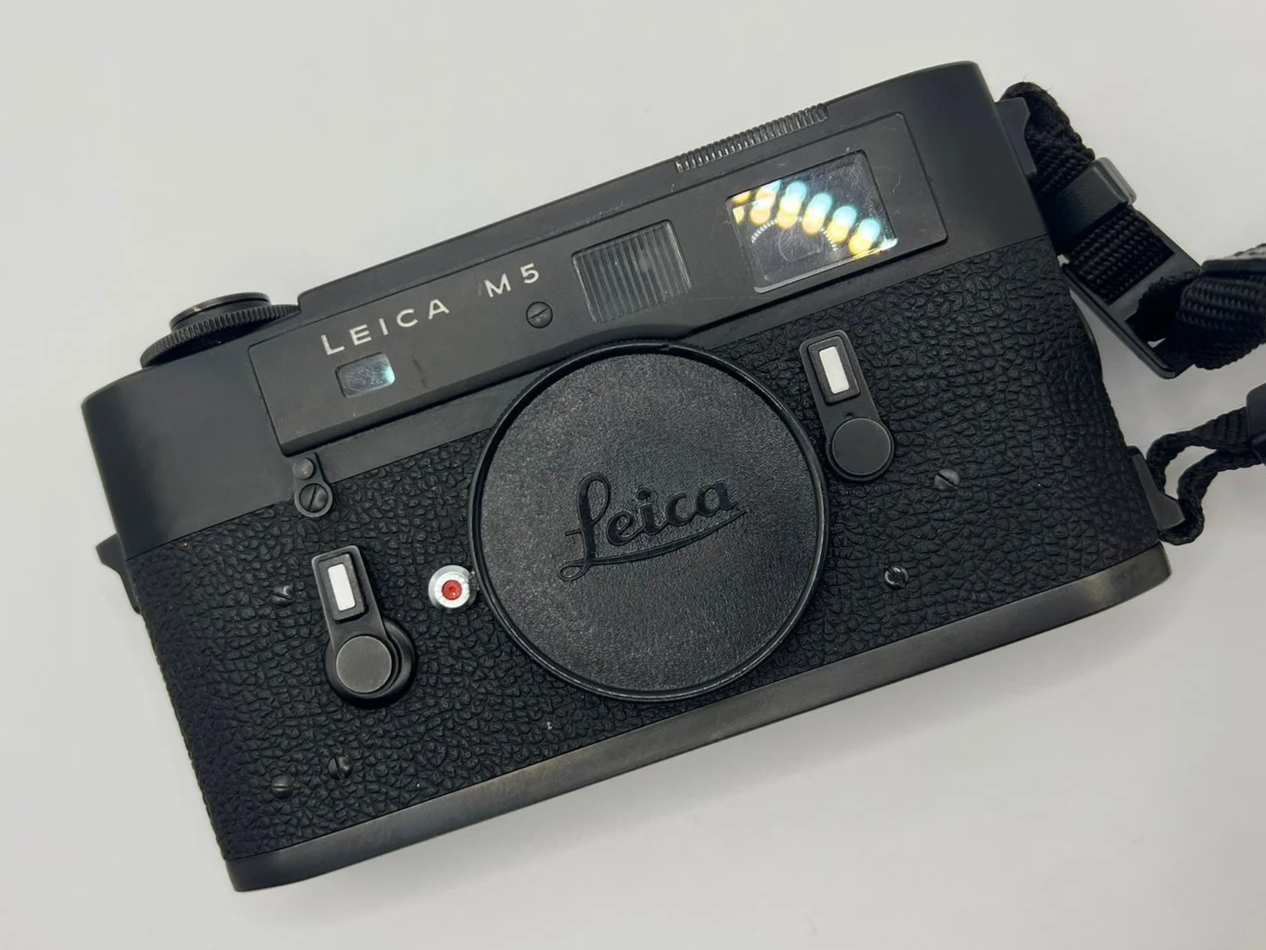
Leica M5 — The Last True Leica
Built between 1971 and 1975 in Wetzlar, the Leica M5 was the last M-series camera assembled entirely by hand under Leica’s traditional adjust-and-fit standard. Each body was finished, calibrated, and tested in the same small-team workshop system that had produced the M3, M2 and M4 — a method soon replaced by team-line assembly in Midland. When this process ended, so did the era of the “true” mechanical Leica.

The Creation of 35mm Photography: Oskar Barnack’s Vision and the Leica Legacy
From the earliest days of photography, cameras were hefty, complicated devices. Plates were large and unwieldy, limiting both portability and the opportunities to shoot spontaneously. Oskar Barnack (1879–1936), an ingenious optical engineer at Ernst Leitz Wetzlar in Germany, would change all of that forever.