


When the Light Misbehaves – The Beauty of Imperfection in Film Photography
In the world of film, perfection doesn’t exist — and that’s the point. Every roll carries a trace of risk. A flicker of light might slip past a seal. A frame might shift by a fraction. Grain might swell unexpectedly in the shadows. These are not errors to correct. They’re the heartbeat of something real.
At Liquid Light Whisperer, those marks of imperfection aren’t flaws. They’re fingerprints — small proofs that every image was made by hand, in light, with care, and without the safety net of an undo option.
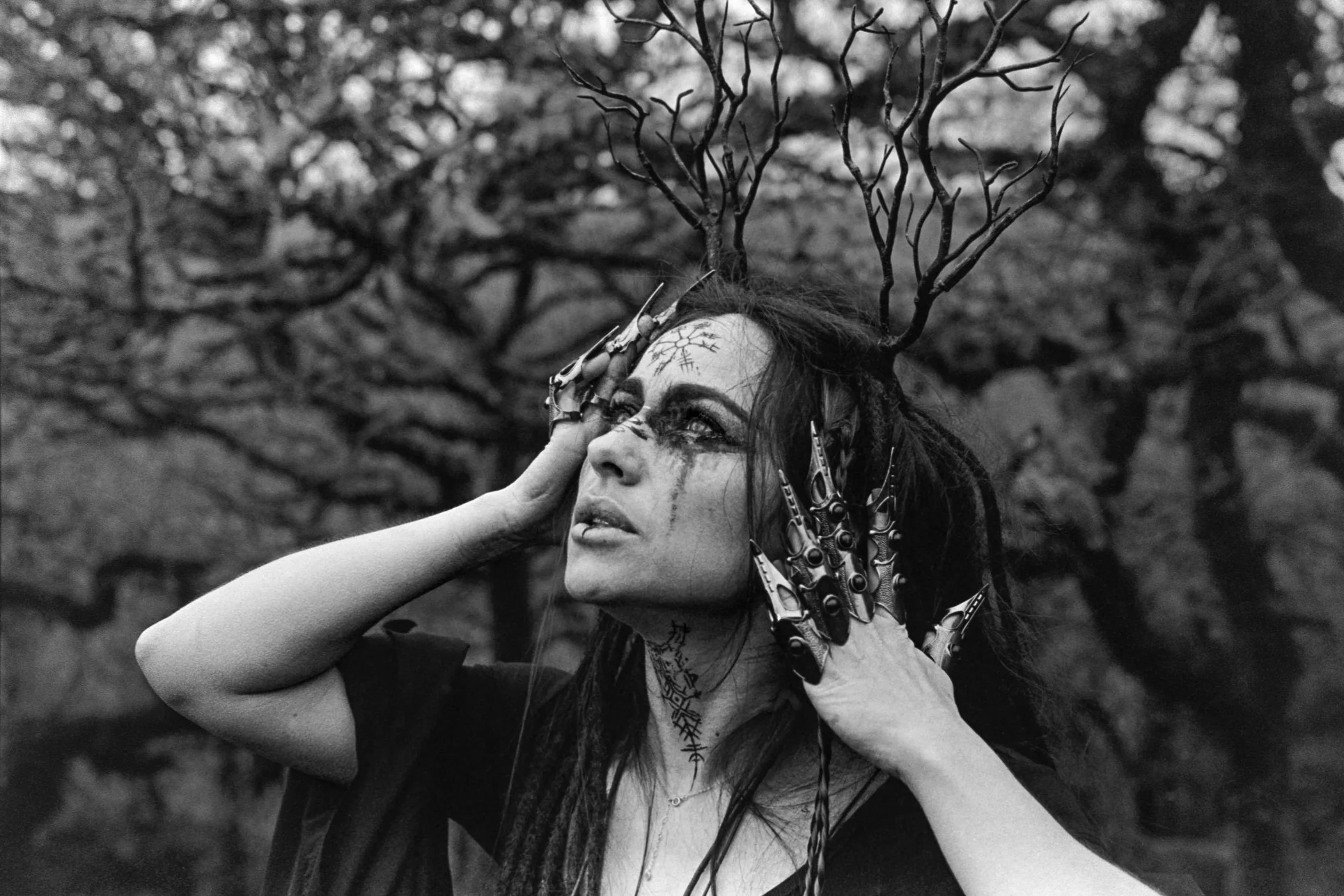
Working with Models on Film – Setting Expectations
Shooting with film doesn’t just change how a photographer works — it changes how a model experiences the shoot. For someone used to digital cameras firing hundreds of frames a minute, the film process feels different: slower, more deliberate, sometimes even unnerving at first.
That’s why setting expectations is crucial. When a model understands what film brings — the rhythm, the limitations, the rituals — it transforms the session from uncertainty into collaboration. At Liquid Light Whisperer, this conversation happens before the first roll is loaded, because trust is as important as light.

Why Film Photography Feels Alive in the Digital Era
Digital photography gave us precision, speed, and infinite repetition. It perfected the technical image — but in doing so, it stripped away something that analog never lost: a sense of life.
Film photography endures because it feels different. It slows us down, resists instant gratification, and produces images with texture and presence. In a world of disposable content, film stands out as something alive.

Lenses that Render Light Uniquely – Vintage Glass Magic
Where modern optics are designed to correct, suppress, and polish, older lenses allow light to express itself in ways that feel alive. The edges aren’t always sharp. The coatings flare in unpredictable halos. The bokeh swirls or doubles or melts away entirely. What many engineers considered flaws, photographers now treat as signatures — fingerprints left by history on light itself.

The Lomography Daylight Developing Tank — My Final Impressions.
It’s not every day that a company like Lomography asks you to test a prototype. When their team invited me to run the new Daylight Developing Tank through its paces, I was genuinely pleased. Lomography has long been at the heart of keeping film culture alive worldwide, and being part of their R&D process — before the public even got a glimpse — was a privilege.
The result was a set of articles about my experience published across their international network in four languages.

Analogue as Memory – Why Negatives Outlast the Cloud
When an image is exposed on film, it isn’t yet a photograph. It lives invisibly in the emulsion, suspended between existence and nothingness — a latent ghost of light. At this stage it can still be erased, fogged, or lost entirely, but it is there, waiting. Only when it meets developer does it reveal itself, and only when it meets fixer is it frozen forever. That alchemy — the moment when something ephemeral becomes permanent — is what makes film different. Memory doesn’t just appear; it is conjured, stabilised, and preserved.

The AGO Film Processor – A Modern Workhorse for Analogue Photographers
The AGO Film Processor bridges home development and lab-level consistency. From 510 Pyro to C-41 and ECN-2, it saves chemistry, compensates for temperature drift, and delivers repeatable, professional results at home. Not perfect, but a game-changer for anyone serious about film developing.