

This Is How I Roll Film: Peter on Motion-Picture Stocks, Affordable Film and Getting the Most from ECN-2
Join This is How I Roll Film & Liquid Light Lab in the City of Bath!
Peter Gault from This Is How I Roll Film started from the same place many film photographers found themselves a few years ago: colour film was becoming harder to find, prices were rising, and shooting regularly was starting to feel less accessible. His answer was not simply to sell film, but to build a small independent range around stocks he already used, understood and believed in.
That has grown into This Is How I Roll Film: a supplier built around motion-picture stocks, affordable black-and-white film, community testing, and a practical understanding of what photographers actually need. In this interview, Peter talks about Vision3, Double X, Noir, Spectrum, AHU, remjet, ECN-2, C-41, medium format, large format, 16mm, and the role of the lab in getting the best from the film.
The value of the conversation is that it follows the whole chain, from the film stock itself through to exposure, processing, scanning and interpretation. Each stage affects what the photographer finally sees. With motion-picture stocks, that chain matters even more, because careful handling can reveal far more of what the negative is capable of holding.

Spectrum 400 from This is How I Roll Film - an amazing alternative to Kodak Gold and Ultramax
What made you move from being a photographer who loved analogue work to someone supplying film to other photographers?
So it all started when there was a shortage on colour film a few years ago. I remember that a lot of people were wondering how to shoot colour film, or when the likes fo Ultramax and Gold would be back in stock. I had already started to shoot the Vision3 film stocks myself as I loved the idea of shooting on cinema film, so when I realised that there was a market here in the UK especially with the rerolled Ektachrome (sadly not as easy to get anymore), I started it off on Etsy and went from there.
I also really wanted to give back to the community that I had learnt so much from, made some amazing friends through, and now have my Fiancé hooked on the hobby.
You began by responding to rising colour film prices. Has affordability remained the core of the business, or has the mission expanded?
Always! I have had people ask me when I was starting, how I made it so cheap, and I was just trying to make it as affordable as I could, so that more people had the chance to shoot these wonderful film stocks. For a good year or more, I was taking the hit as film prices rose, as I wanted to keep my prices as competitive and affordable as I could. With the introduction of the AHU, I knew it had to be priced a little higher than the Remjet version as it had been a challenge throughout 2025, to get my hands on, but I still wanted it to be within a price range that people were happy to pay. I also reevaluated my postage charges, to be able to offer a lower priced service.
The biggest achievement I managed was to offer the Noir Collection in 35mm at only £5 a roll for 36 exposures. Having shot a lot of the film, and seeing the quality that it produces, I was very happy that I was able to make that work. I feel that a lot of people come to the website for the colour motion picture film, but then see £5 fresh black and white film, and are happy to give it a try. Then they tend to come back with a bigger order.
Why motion-picture stocks? What do they give still photographers when exposure, processing and scanning are handled properly?
I fell in love with cinema and motion picture, and it has been a constant in my life. The way that some films can look when they are shot on film, and the colours that can be achieved when developed, scanned and handled by someone that knows what they are doing is incredible. I think a lot of people fall in love with a movie, through the cinematography and some people would like to emulate that in their still photography.
With the motion-picture stocks, if you understand how to shoot them to get the correct exposure, and have a good scanner/a lab that knows how to achieve a certain look, it is probably a lot more doable on these film stocks. It can take some time to learn how to get a specific look.
What do photographers most often misunderstand about ECN-2, C-41, AHU, and remjet?
When I first started, I knew that I had to make sure that people were aware of what the remjet layer was. I really did not want my film to ruin a labs machine and chemistry as I do love working with labs to stock film etc.
i think a lot of people who had no idea about the remjet layer, tend to know who Cinestill is, which is always helpful to then explain about the different halation results.
I feel that ECN-2 developing always got a bad reputation because of the removal of the remjet. I have developed a number of remjet rolls, and it got easier on each one. But I know that a lot of labs that offer ECN-2 have to remove the remjet and develop it in their C-41 machines, or send it off to a third party, and that extends the wait.
I think with the introduction of the AHU version, a lot of people thought this was so that it could go through C-41, and that it was going to be the killer of the likes of Portra. It can 100% go through C-41, but you are therefore cross-processing, which I don’t think a lot of people are aware of.
How do you decide whether a stock deserves to be sold under the This Is How I Roll name?
When I chose to introduce the Noir Collection and Spectrum, I sent about 20 rolls to followers on Instagram, to test it out. I knew I wouldn’t be able to get through all the different versions that I had test batches, and I wanted to see what people in the community thought as they would be the ones shooting it. This way I was able to see how it reacted to different shooting styles, different developers, darkroom printing and all sorts of tests people put them through. The main thing for me to put the name on the film canister is that it needs to be quality, I want people to tell me this is their new favourite film and to be happy with the results.
Which stock in your range best represents your own taste as a photographer?
I think at the beginning, I would have to say it was the 500T, as it was the first one I shot before I even thought of selling film. However, over time I have lent more to the 250D. I feel that it manages to capture the scene and the colours the best compared to the others, as well as it being more versatile with an ISO of 250 that can be pushed or pulled.
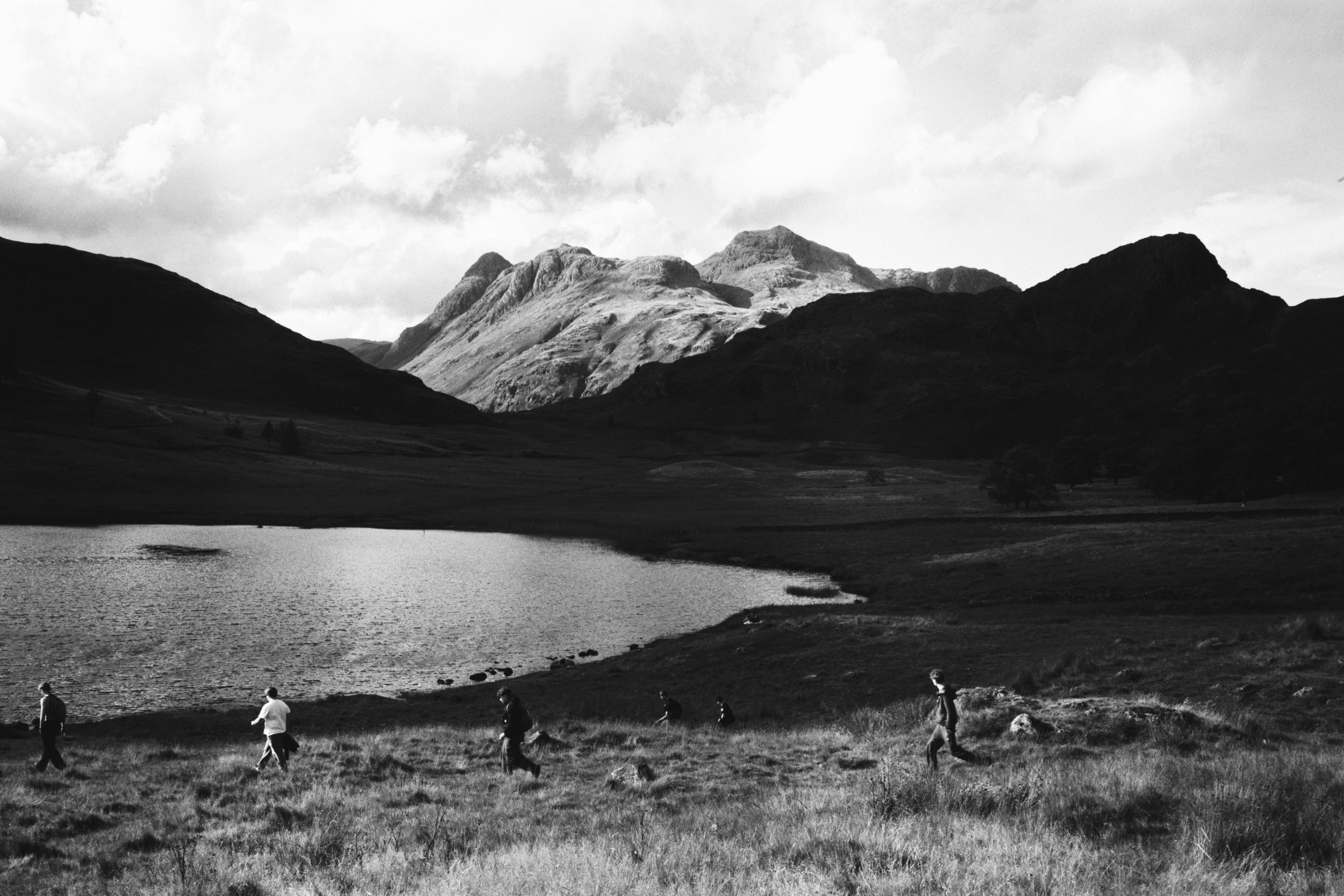
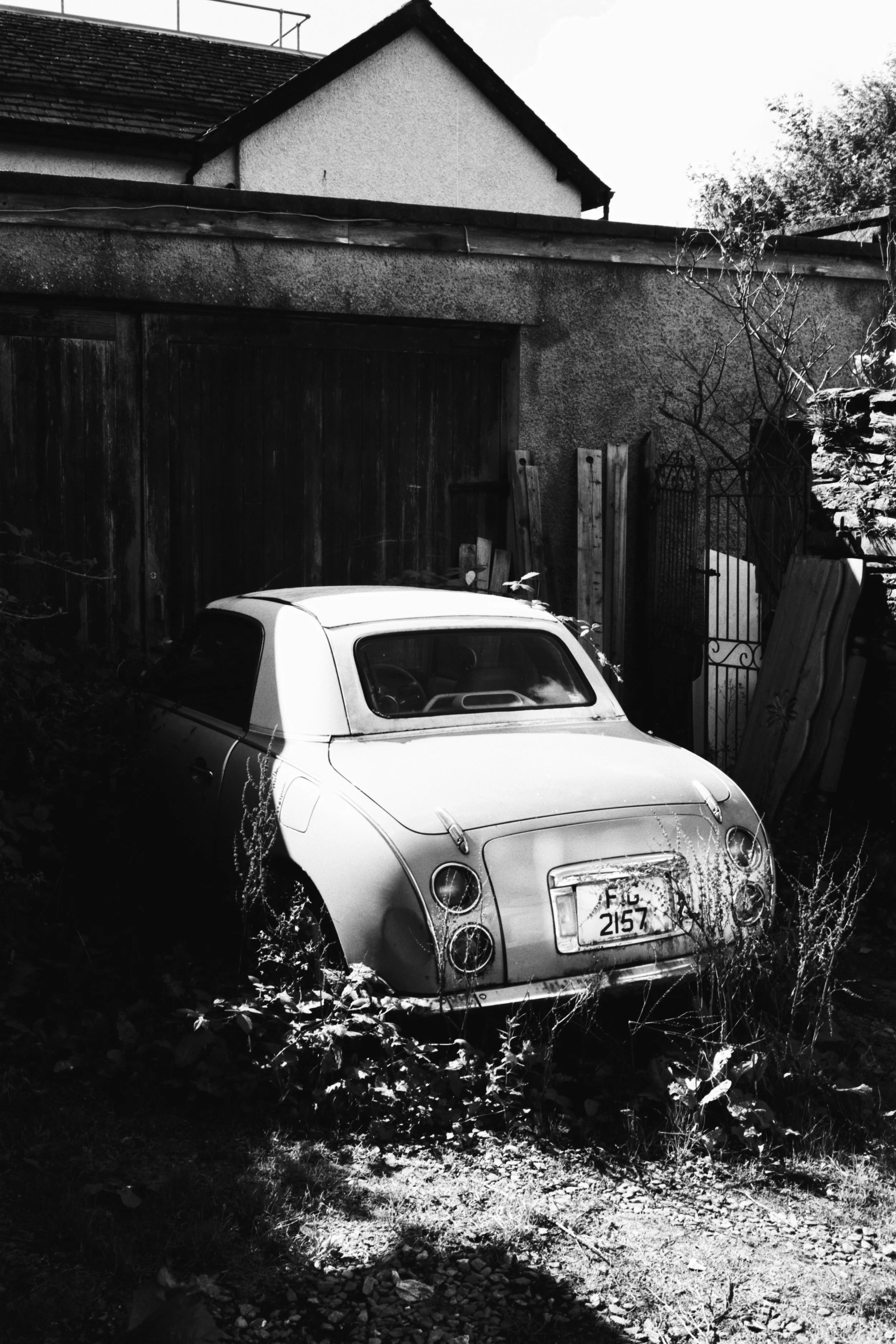
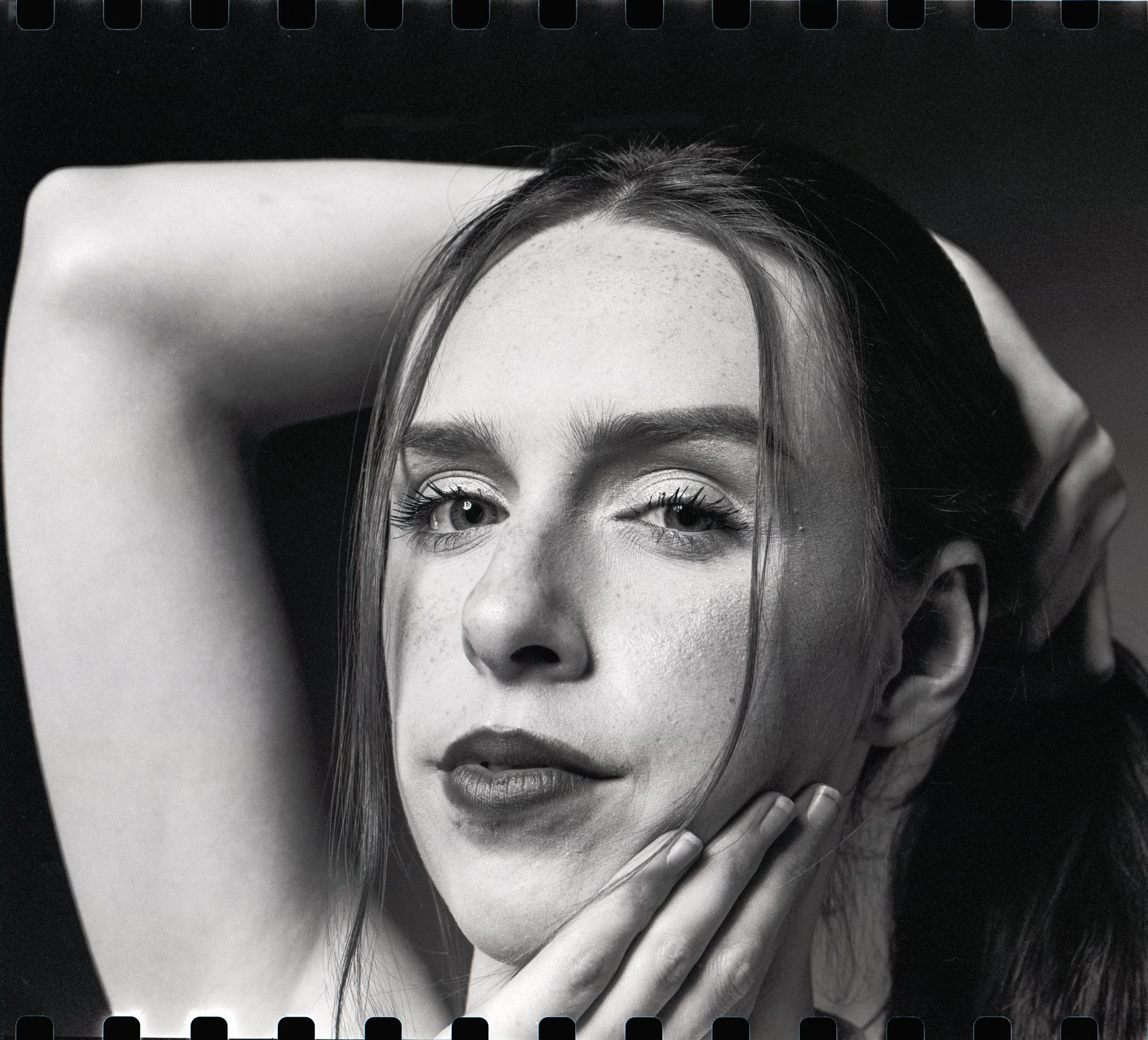
In terms of black and white, I have probably shot a lot more black and white over the last few years (especially when I first taught myself how to develop film), I would say the Noir collection is starting to overtake Double X. I started out shooting Double X, and absolutely loving the grain, and the feel to it, in both portraits and landscapes. However, the Noir collection has shown me that it is a worth competitor to the Double X because of the fine grain that is present, the latitude, the infrared capabilities and the affordability.
Which format changed your own photography most: 35mm, medium format, large format, or 16mm?
I would have to say medium format. I first started with a SX-70 Polaroid, and then that got me back to 35mm. I then realised that 36 shots was a lot, and so I looked at medium format and chose the Mamiya 645. I loved that camera, but it was the second choice to the Mamiya RB67, so as soon as one came up, I grabbed it. The RB67 was the camera that made me fall in love with photography. I have taken some of my best images on this camera, and It is one that I don’t ever want to part with.
Large format taught me a lot for taking my time, and slowing down. 4x5 and 8x10 are a lot of fun when you are out and about, with a few shots in mind that you really want to capture. The best bit is the looks you get from passerbys. I was very lucky to get a custom 8x10 from Intrepid which matches my company logo, and I love getting the chance to shoot on a bigger scale, with my next shots being on a future version of the Noir collection.
16mm was a world that I never thought I would enter. I was introduced to 16mm naturally through the nature of the business, and that led me to make some great contacts in the industry. I ended up with a Bolex H16 Rex 1, which is an absolutely lovely camera to use, and listening to the motor run when you are shooting is great. A couple of years ago, I went on a trip to Brighton with some friends, which we had also done the year prior which I shot on Super 8, and this time I took the 16mm. It was amazing being able to capture the weekend on film, and watch it back.
What did the RB67 and interchangeable backs teach you about working across colour and black-and-white?
The RB67 was the perfect camera that came along when I was finding my groove with photography. Being able to swap between backs has been a godsend. I have about seven RB67 film backs, and I have loved being able to load up a range of different film stocks to then decide which would be the best to shoot to get the desired look. A few years ago, when I was on holiday on Brownsea Island, I had a roll of the Double X in 120 (which I was testing before launching), and a roll of Lomography 400 which I had never shot before. Being able to look at a composition, and try to see whether it would look best on Black and White or Colour was great, as It taught me to look at scenes and think would I like this as much if it was shot on B&W or colour.
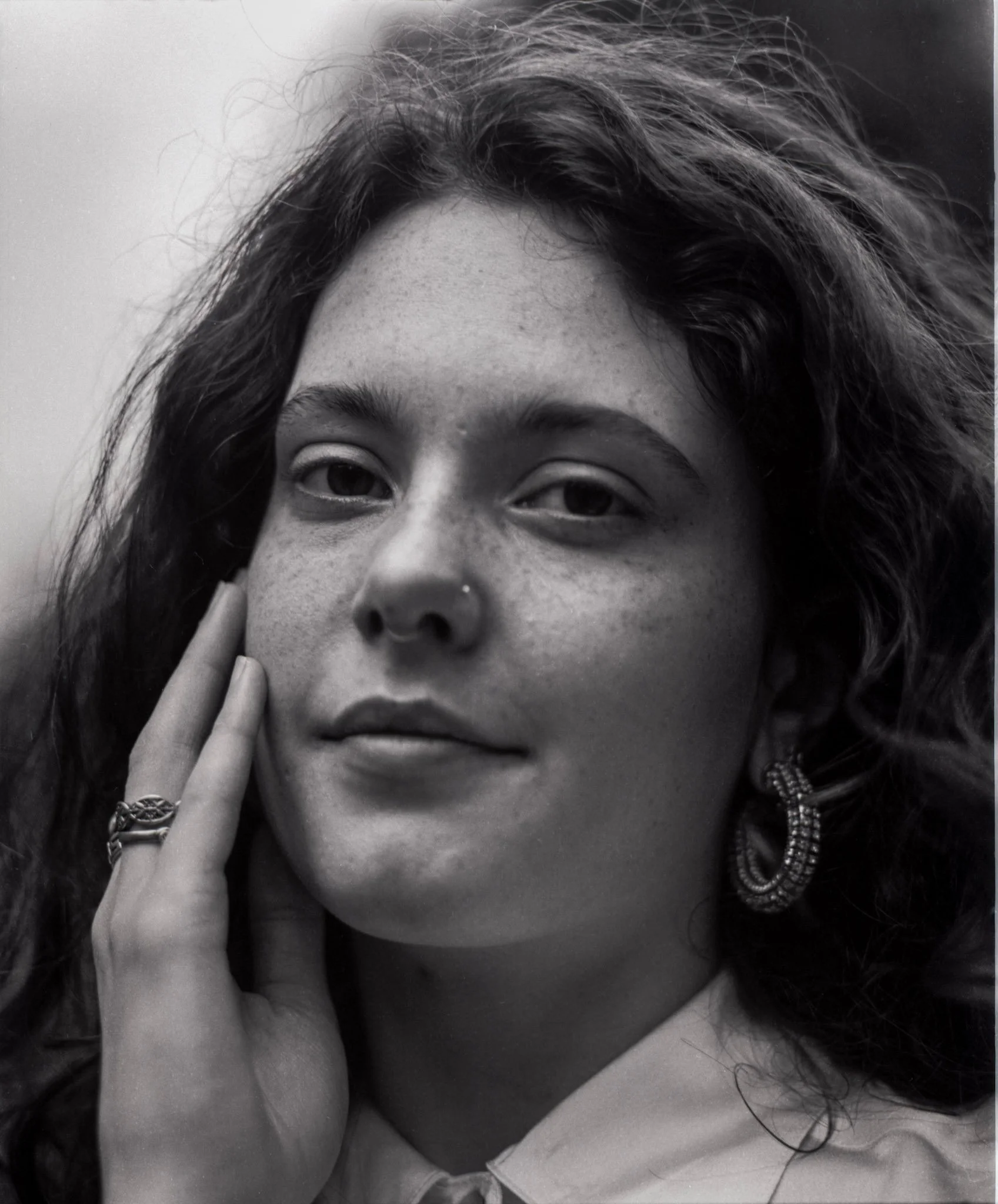
I also loved how close I was able to get with the RB67 and the bellow focusing. I would like to say that I used a tripod the majority of the time, but I didn’t. Luckily the photo of Martina below, I did use a tripod and Kodak Gold 200 (Shot before I started selling film). I found that I loved being able to get up close with portraits using the RB67, and was something I have continued to do!


Why are you testing Noir in 120, large format and bulk-roll form?
I tested out 120 Noir pretty quickly after sorting out the 35mm version, as I know a lot of people were keen on me having 120 film available in the shop. I was originally stocking the Vision3 in 120, but there were too many factors to make sure that it was always up to the best quality that it became hard to make sure I stuck to that.
I started looking into large format as the supplier had mentioned it was possible, and as someone who shoots large format and knows how expensive it can be, I wanted to offer an affordable large format film stock, and this seemed like the best option. It has been sent to a few great photographers to test, and the results have been great. I am in the process of sorting the packaging and pricing of the large format versions, so It will be coming soon.
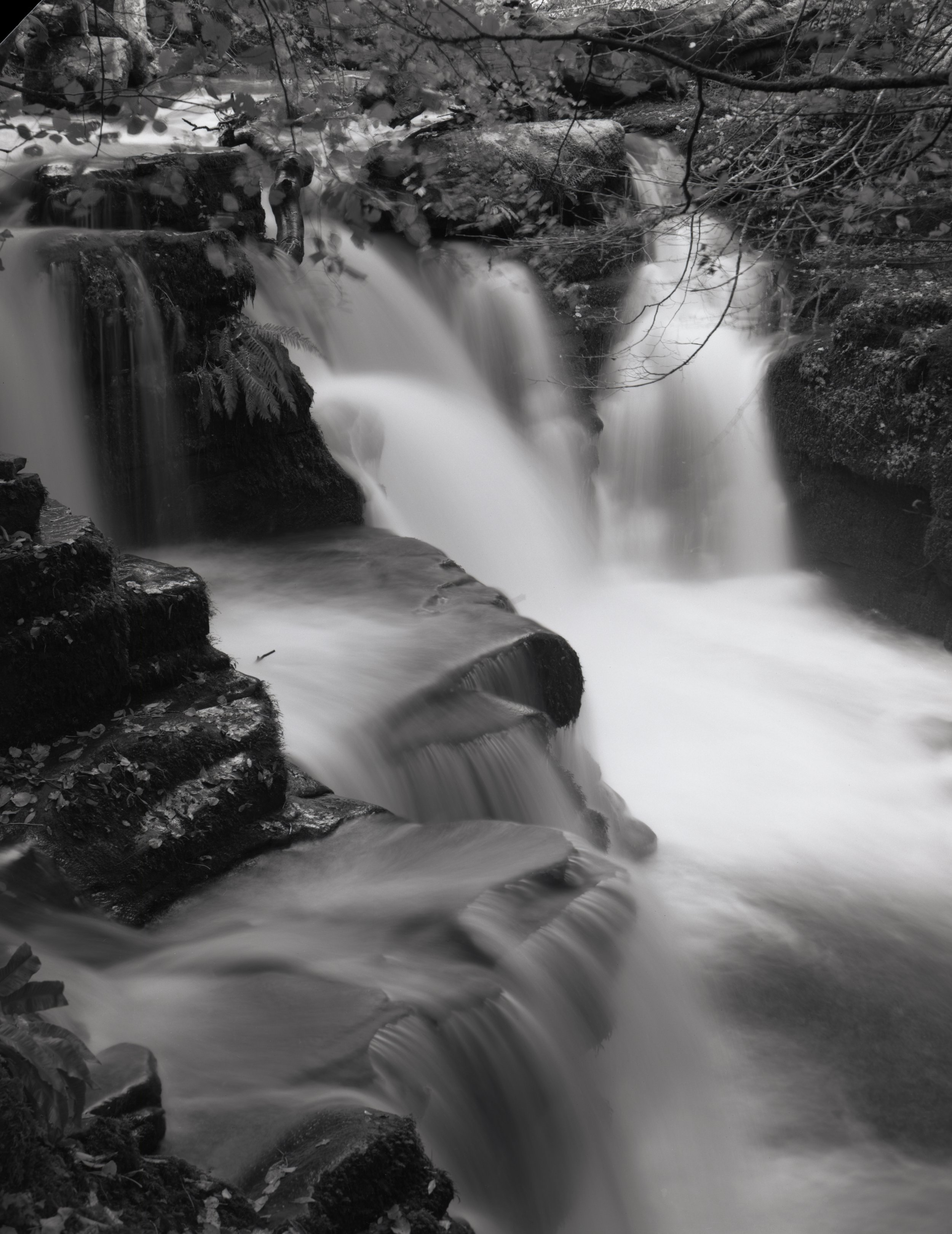
This is How I Roll Film supplies beautiful, unique black and white films that Liquid Light Whisperer & Liquid Light Lab love and recommend.
Bulk rolls is something that I have been trying to sort for quite some time. I had plans to do 100ft rolls of the Vision3 film stocks, just before Kodak made it much harder to get hold of the film, so I had to put it on the back burner. With things looking more promising now, I am hoping to introduce bulk rolls of the Vision3 AHU, Noir and Double X. Again it is the working out of the packaging and the pricing which needs to be sorted. Hopefully this means that people who love shooting my film, can invest in a large roll that will save them money in the long run.
What should photographers know before choosing between 50D, 250D, 500T and 200T?
I think the first thing people need to understand is what the ‘T’ and the ‘D’ stand for. The ‘T’ stands for Tungsten, and the ‘D’ stands for Daylight. Most colour film stocks that are available today are daylight balanced film, which means that they are set up to work best under daylight lit scenarios. As this is motion picture film, and would be used on a film set, the film needs to be able to work in all sorts of lighting conditions. Tungsten balanced films work best for the indoor scenes. That doesn’t mean that you can’t shoot a tungsten film outdoors and a daylight film indoors, you would just need to compensate for that either in developing or in post when scanning.
I think a lot of people think that 500T will allow you to shoot at night and magically produce images as a result. 500T can be pushed by a lot. I have shot it at ISO 3200, and had some amazing results but It had to be worked with the lab to make sure that it got the correct time in development.
I think 200T is the underdog amongst the group, and is often the one I see people order the least. However, I think it is the best of them all, and it does tend to be cinematographers favourite. It has an incredibly fine grain for a 200 ISO film stock, but has the versatility that a higher ISO film stock would have. I definitely recommend people to give it a try as they might be surprised.
What do you personally love about Double X,Noir and Spectrum?
I love all of these film stocks for each of their unique abilities. Double X is a timeless classic with films like Raging Bull, Schindler’s List, and Oppenheimer that have all been shot on it. I love that it is very capable of creating that black and white Hollywood feel when paired with the correct developing method.
The Noir, I have to say that it’s fine grain (especially in the 64), is the best bit. It prints very well, when exposed correctly (and developed), it creates an excellent negative with a lot of detail. I think it is a film stock that once people know how to work with it, they can get some excellent results with it, for a low entry price.
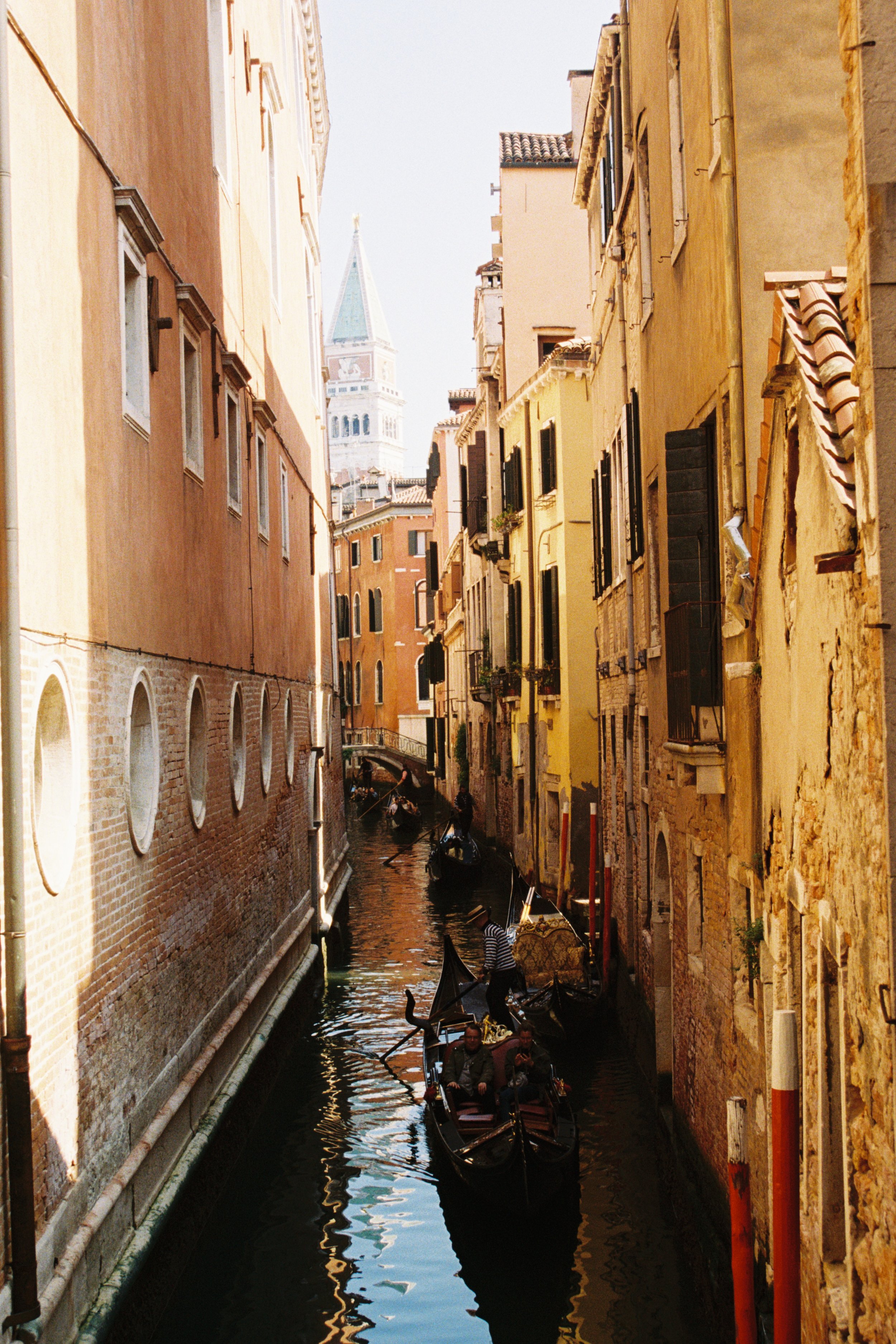
Spectrum was a film that I started to stock when Kodak made it harder to get a hold of the Vision3 stocks. It is an excellent film stock, that allows you to shoot in all sorts of situations. It can do very well on a sunny day, as well as on the more cloudy days. It has a lovely warm feel to it, it lies somewhere in-between Kodak Gold and Kodak Ultramax. It was one that really surprised me when my Fiancé got her results of it back from a trip to Venice last year, and has since become one of her favourites.

Where does the lab fit into the final result, especially with motion-picture stocks?
The lab is just as important to the final result as the film stock. A lot of people have their preferred lab (we probably all do). When it comes to picking a lab, especially for the motion picture films stocks such as the Vison3 stocks, you want to pick a lab that truly understands these film stocks, and will have it developed in ECN-2 chemicals, and have a set-up that will get you the most from your negative when scanning. I have worked with a few labs in the UK that send the motion picture films stocks, to a specialist that develops in ECN-2 using the official Kodak chemicals. This is a big step in helping you get the best results from your negatives. Obviously, their scanning set ups will likely be tailored towards C-41 based film stocks, which will still produce an excellent image for you, but won’t be as good as it could be with a scanner that is dedicated to being able to get the most out of an ECN-2 developed film. Liquid Light Lab has a setup geared towards making sure your roll is treated in the best possible way from start to finish.
What kind of customer work has surprised you most?
Pretty much everything. I love seeing all the different types of shots people take on my film. I have seen wedding phtographers use my film as their main film stock for a wedding, and that feels surreal to know that the photographer had chose purposely to use my film stock for such a big occasion. I have seen so many shots of things people always love shooting, or their day to day life on my film, and they have ended up loving the results and switching over to my film as their main one, which is always nice to hear.
What do you want This Is How I Roll Film to become over the next few years?
It is hard to say. If you had asked me this a couple of years ago, I would have said that I wanted to open up a lab for ECN2 film. But I think the goal has changed a bit. I love providing a range of film stocks, that people love. I have a few ideas in the pipleine for the business, and what I could whilst still staying true to the roots.
What comes through clearly is that This Is How I Roll Film is not built around novelty. It is built around use: films Peter has shot himself, tested with photographers, refined through feedback, and priced so that people can keep shooting them rather than saving them for rare occasions.
That matters. Film only becomes useful when photographers can understand it, trust it, and return to it. Peter’s approach gives people a practical way into motion-picture stocks, fresh black-and-white film and less obvious alternatives without making the process feel closed off or overcomplicated.
The film begins the chain, but the final image depends on every stage being handled properly. Exposure, chemistry, scanning and interpretation all matter. This is where the link between supplier, photographer and lab becomes important, and why these conversations are worth having.
Join for for our joint Liquid Light Lab & This is How I Roll Film model photowalk!
By Martin Brown | Liquid Light Whisperer