

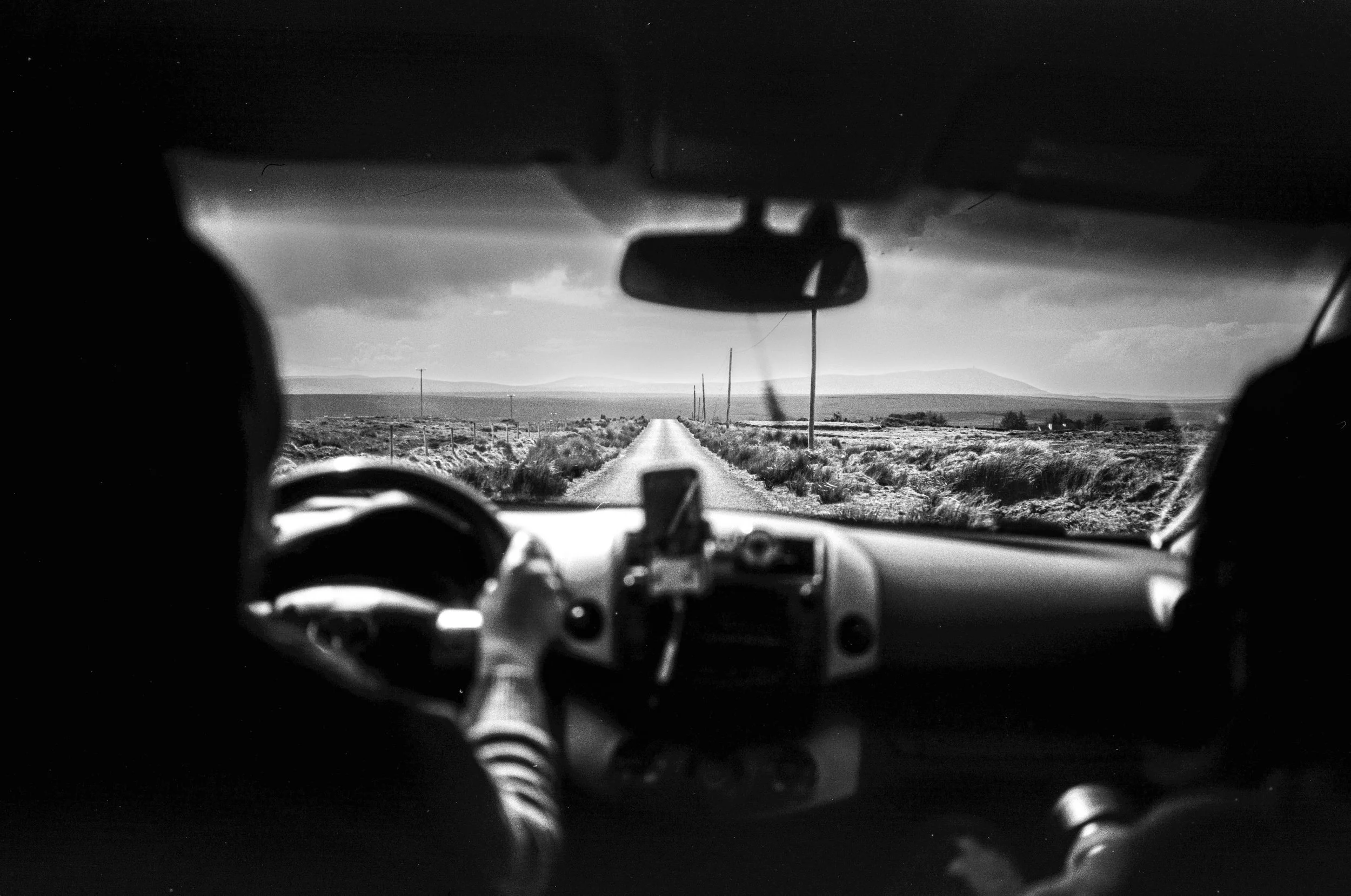
Push and Pull Film Processing: How Development Time Shapes Tonality, Density, and Cinematic Rendering
Many photographers assume push and pull decisions only occur inside the camera, but metering differently is only the first half of the process. The exposure placed on the film creates the latent image, and then the lab determines whether that image becomes fully usable or collapses in the extremes. Rating Portra 400 at 1600, for example, under-exposes the film by two stops. The film does not become a 1600-speed stock; it simply receives less light. The tonal behaviour associated with pushing—deeper shadows, higher contrast, more pronounced grain—emerges in development, not at the moment of exposure. Pulling works the same way. Over-exposing the film provides additional highlight information, but only reduced development time preserves that latitude. Push and pull are therefore collaborative acts: the photographer controls exposure, and the lab controls interpretation.